The Rules Are Changing & The Differences Matter More Than Ever
On August 26, the DEA temporarily moved mitragynine pseudoindoxyl / MGPI, MGM-15, and MGM-16 compounds into Schedule I. These controls are effective until August 26, 2028. However, there is no single federal “kratom ban”. The separate federal proceeding regarding concentrated 7-OH has not yet been resolved, and HHS has extended the public comment deadline for the 7-OH threshold to September 10, 2026. While this is happening, states are moving independently to create their own regulations on kratom, including Massachusetts and North Dakota, which both introduced major new statewide restrictions in August.
Our position remains the same as it’s always been: We’re reinforcing our transparency, continuing third-party testing, making sure our labeling is clear, and keeping you informed as laws change. Because we believe that your well-being should be the top priority.
Botanical Smarts
Know What Kind of Kratom You’re Buying
- Product Type Matters: Botanical leaf, extracts, concentrated 7-OH products, and other types of kratom may now fall under completely different rules depending on your state.
- What to Look For: Product type, alkaloid content, serving information, third-party lab results, and manufacturer transparency.
- What to Avoid: Stay away from poorly labeled products or products that don’t clearly show strength/concentration.
Pro Tip: Choosing established vendors with transparent testing and responsible manufacturing is more important than ever in this complicated market. How do you know if a kratom vendor is reputable? Check out our 8 tips to find the best kratom vendor online.
This Month’s Must-Haves
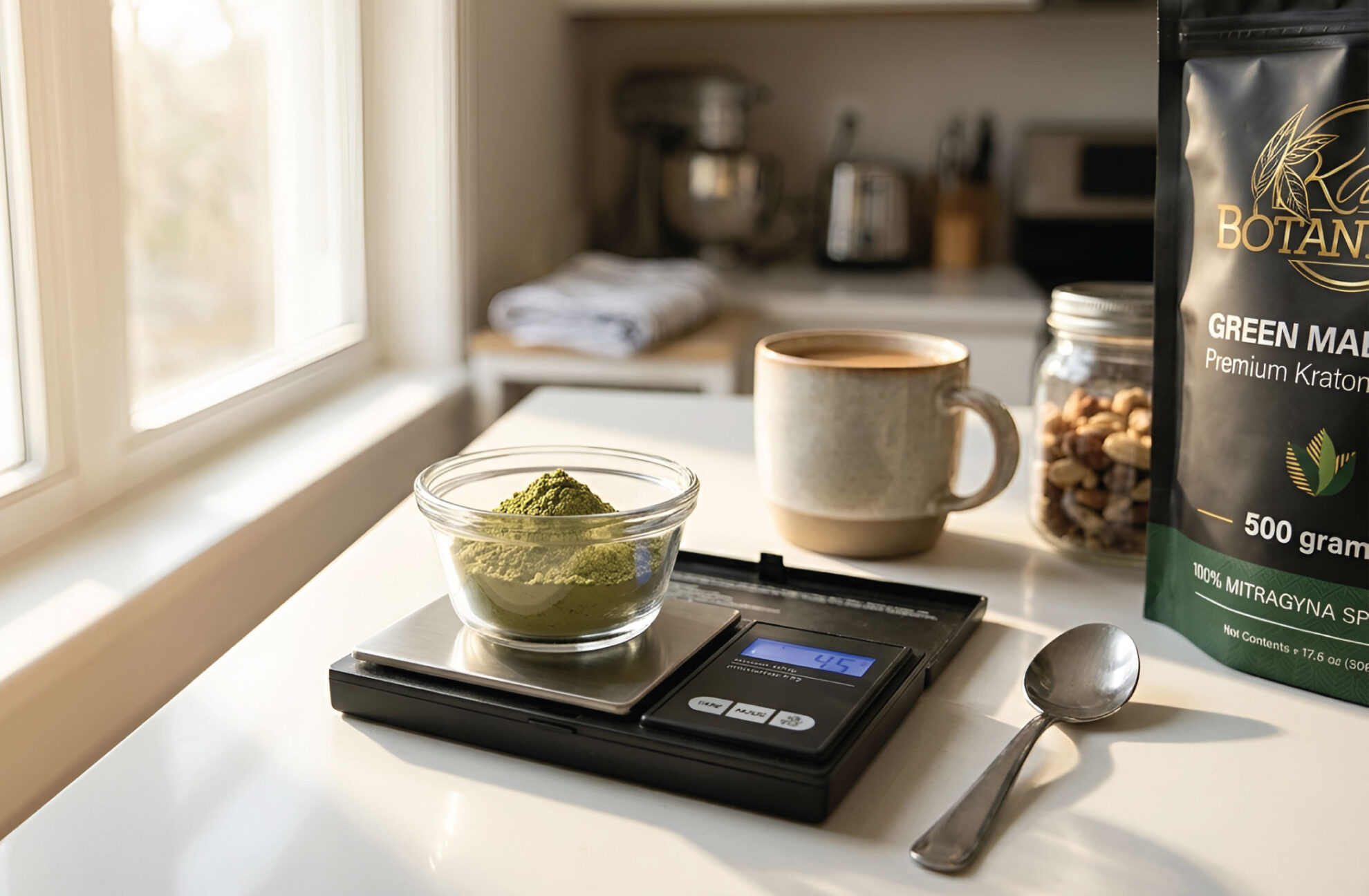
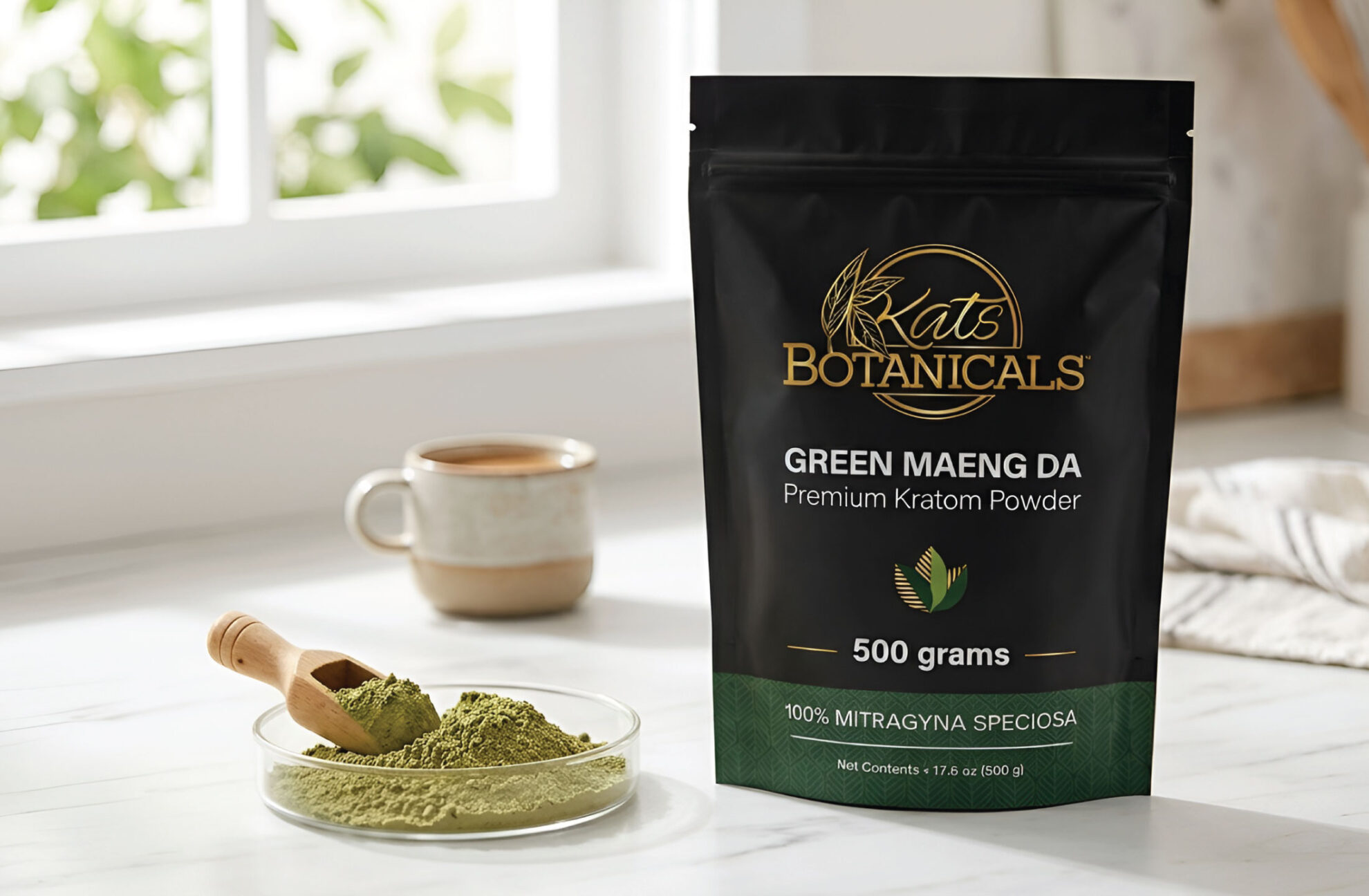
Stick With the Classics: Kratom Powder = There’s a reason why powder is the most popular product we sell. Avoid the regulatory hurdles and enjoy your wellness routine the classic way. Shop Kats Kratom Powder →
NEW: Go Bulk & Save – Buying in bulk? Then you deserve a great deal. Check out our all-new range of bulk powder, gummies, capsules, and more. Explore Bulk Kratom →
All the Good, None of the Mess: Kats Capsules – If you don’t like the taste but love the wellness, then our capsules are for you. No mixing, no measuring, all the goodness. Try Kats Kratom Capsules →
Pure Himalayan Shilajit Resin – Get over 85+ minerals and fulvic acid in a single daily serving of our shilajit sourced from Himalayan rock formations. Discover Himalayan Shilajit →
Industry Insights: The Difference Between Kratom Products Could Become Law
As we mentioned last month, lawmakers and regulators are increasingly deciding which kratom-related products should be treated differently from traditional leaf. As of August 26, the DEA temporarily scheduled MGPI, MGM-15, and MGM-16. While 7-OH products were not included, this does create immediate federal restrictions around intentionally manufactured/concentrated versions of those substances. These controls are effective through August 26, 2028 under the temporary scheduling framework.
The proposed federal action targets 7-OH levels above specified thresholds, with the botanical threshold set at more than 0.050% by dry weight. Public comments have been extended until September 10. A final DEA decision could come after that deadline, but is not guaranteed. On August 27, the AKA (American Kratom Association) filed a federal lawsuit based on the DEA actions of August 26. The AKA supports controlling intentionally manufactured/concentrated MGPI, MGM-15, and MGM-16. The dispute centers on whether ordinary botanical kratom containing incidental trace pseudoindoxyl could accidentally fall under DEA’s MGPI wording. The AKA is seeking a clear legal distinction to protect traditional botanical material from being confused with concentrated and synthetic products.
How It Looks in Different States
- North Dakota: Issued a statewide emergency order banning the sale, possession, and use of all kratom starting August 5th. For more information, visit ProtectKratom.org.
- Massachusetts: Placed all forms of kratom into Schedule I, effective August 26, with lawmakers working now to consider a regulatory alternative. The AKA (American Kratom Association) legislative team is working to counteract the measure. Visit the ProtectKratom website for more information and for options to help.
- New York: Rensselaer County is considering a local law that could prohibit the sale and distribution of all kratom products, including natural leaf. A public hearing is scheduled for Monday, September 8, 2026. Find out more information here.
- California: Remains aggressive in its enforcement, reporting 7,333 compliance visits, 6,981 prohibited kratom/7-OH products removed, and an overall 97.62% compliance with its regulations. This is likely to continue. Read the California updates.
The Big Picture
The industry and regulators are separating products into:
- Traditional botanical kratom
- Conventional responsible products
- Concentrated 7-OH
- Manufactured/synthetic kratom-related compounds
Broad state bans can still sweep traditional leaf into restrictions, as Massachusetts and North Dakota demonstrate. Responsible regulation and accurate definitions remain critical for protecting natural kratom access. Find out more about how you can help — visit ProtectKratom.org.
AKA Advocacy Corner
Defining Kratom Correctly May Decide Its Future
In the past, kratom advocacy was largely about legal vs banned. Now the debate is becoming specific. What is traditional kratom? What is concentrated 7-OH? Where should regulators draw the line? Smart regulation can protect consumers and preserve responsible access. Find out more about how to help protect access while seeing standards that make sense for the consumer and the vendor: Kratom Consumer Protection Act (KCPA). Support the KCPA →
The Kats Circle
Kats Kash Tip – Did you know you might have Kats Kash you’re not using? Every 100 points = $5 off your next order. Check Your Points + Redeem →
What’s Next at Kats
We’ll keep a close eye on the federal 7-OH proceedings, with September 10 marking the final day for public comment. We’re also closely watching the AKA v. DEA case over trace pseudoindoxyl in botanical kratom, a ruling that could help define what “traditional kratom” really means for years to come. As always, we’ll keep you posted as things develop at the federal and state level. The rules are moving fast, but one thing isn’t: our commitment to sourcing responsibly, testing every batch, and giving you the facts as they unfold — not just the headlines.
Stay in the loop on everything happening via ProtectKratom.org, and thanks for trusting Kats through all of it. We’ll see you next month. 🌿