The best kratom extract is the one whose alkaloid concentration and format match what you want from it, not whichever product wears the boldest name on the label. Maeng Da is not automatically the strongest extract, because Maeng Da describes a blend of vein types, not a measurement of strength. A genuine extract lists its mitragynine content in milligrams, and that number is what separates a mild product from a strong one.
That distinction gets lost fast in a category full of superlatives. “Pimp grade,” “premium,” “ultra enhanced,” it all sounds strong until you read the label and find no numbers at all. So this review skips the adjectives and looks at what actually makes one kratom extract stronger than another, where Maeng Da fits, and how to pick the format that suits how you live.
Quick Answer: There is no single “strongest” kratom extract, because strength comes from measured mitragynine concentration, not from a strain name. Maeng Da is a blend, so a Maeng Da product can be sold as ordinary powder or as an extract depending on how it’s made. The best kratom extract for you is the one that lists its alkaloid content, comes with third-party lab results, and matches your preferred format, whether that’s a liquid shot, a capsule, a gummy, or an enhanced powder.
What Makes a Kratom Extract “Strong”?
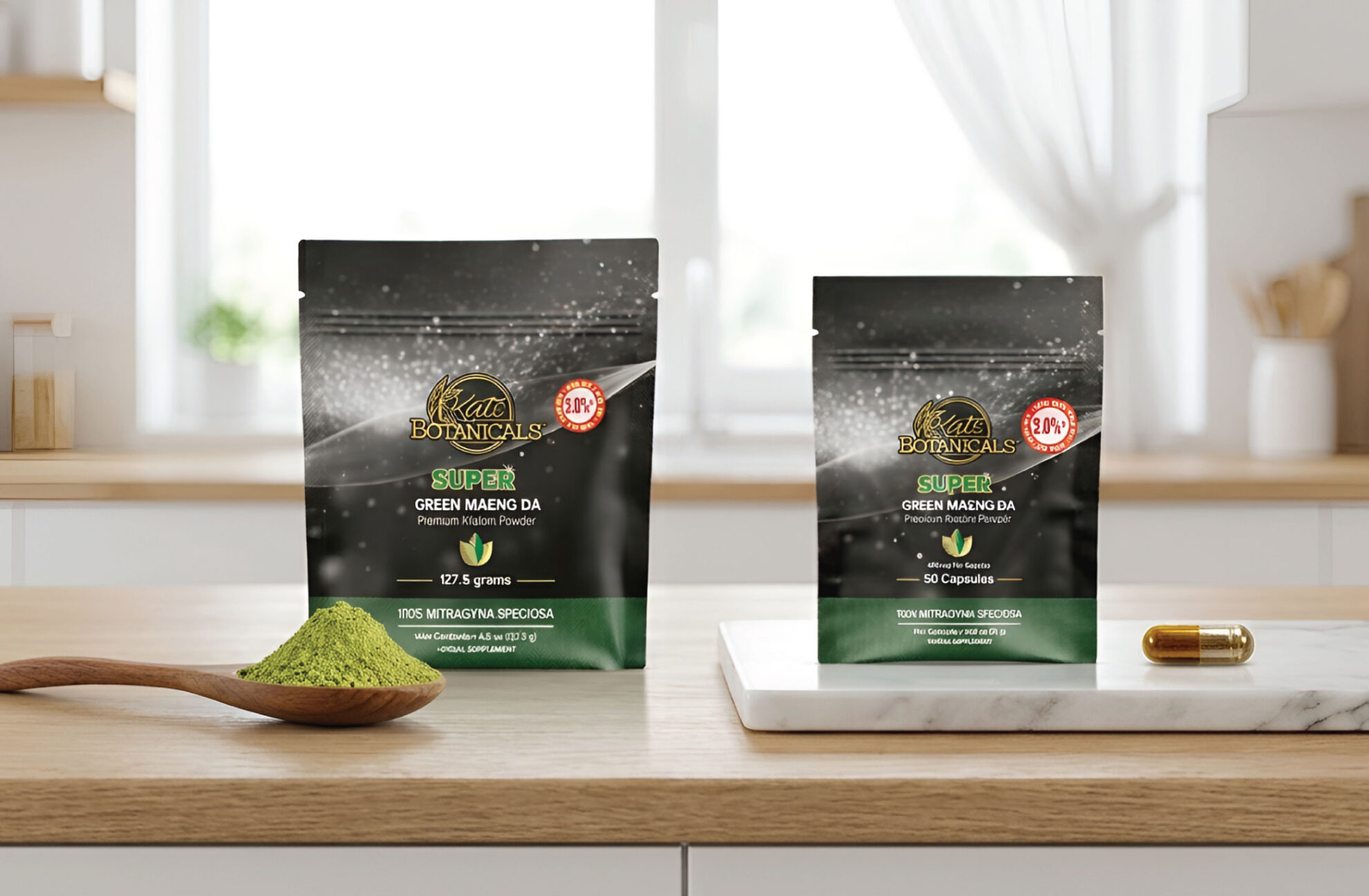
A kratom extract is strong when it carries more mitragynine per serving than the raw leaf it came from. Regular kratom powder is simply dried, de-stemmed, ground leaf. An extract takes that leaf and concentrates the alkaloids, which is why a small shot can rival a much larger scoop of plain powder.
Extract vs. Regular Powder
The practical difference is density. Plain leaf powder from Mitragyna speciosa typically runs somewhere around 1 to 2 percent mitragynine by weight, depending on the harvest and drying. An extract pulls those alkaloids out of the plant fiber and packs them into a smaller volume, so you take less to reach the same amount of active compound.
That’s the appeal, and also the catch. Concentration is the whole point of buying an extract, which means an extract without a stated milligram count is worth being skeptical about. If you’re paying more for something labeled “extract,” the label should show a mitragynine number. When it doesn’t, you’re paying for the word, not the concentrate. The difference between kratom extract and powder really does come down to that one number on the label.
The Alkaloids That Matter
Mitragynine and 7-hydroxymitragynine are the two most-studied kratom alkaloids in the leaf, and they behave differently. Mitragynine is by far the most abundant, making up the bulk of the alkaloid profile in dried leaf. 7-hydroxymitragynine is a minor alkaloid, present in small amounts naturally, typically less than 0.05 percent of the dried leaf mass.
Pharmacology research, including work indexed in PubMed Central, shows these two compounds interact with the body differently, and researchers have compared 7-hydroxymitragynine’s binding activity to that of other well-known compounds in laboratory settings. What matters for a buyer is simpler: reputable extracts are measured and labeled by their mitragynine content, because that’s the compound present in quantities you can standardize and test. A trustworthy product tells you how much is in each serving. A vague one calls it “the strongest”.
Is Maeng Da the Strongest Kratom Extract?
No, Maeng Da is not inherently the strongest kratom extract, because Maeng Da is a blend name rather than a concentration. In Southeast Asia, the term loosely translates to “pimp grade,” a marketing flourish that came to mean high quality, not a specific potency figure. A Maeng Da product’s strength depends entirely on whether it’s sold as leaf powder or as a concentrated extract, and on the mitragynine level listed on that particular product.
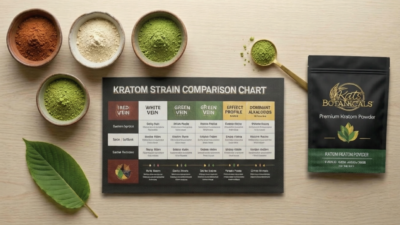
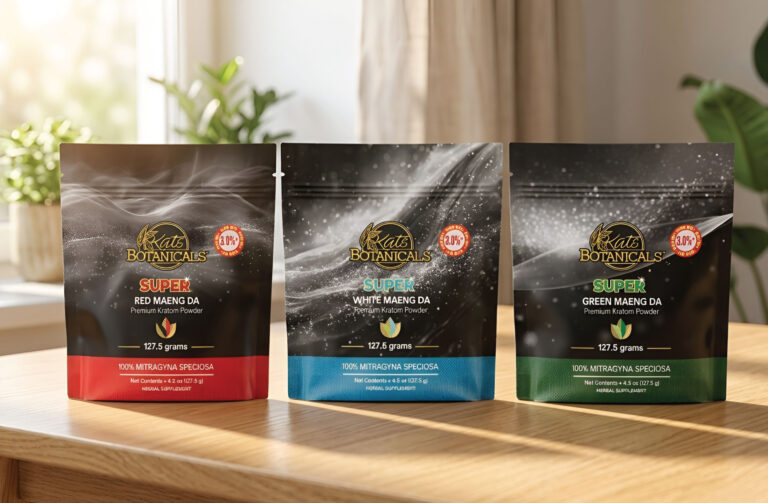
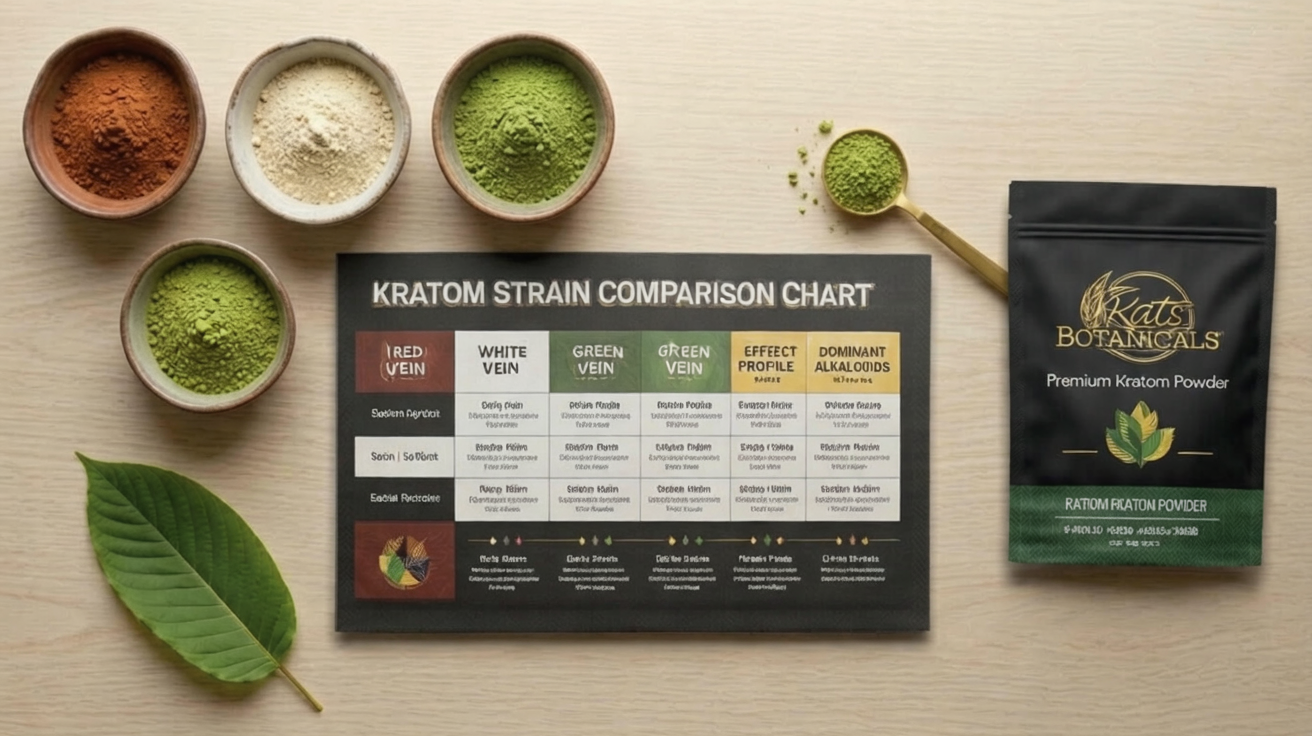
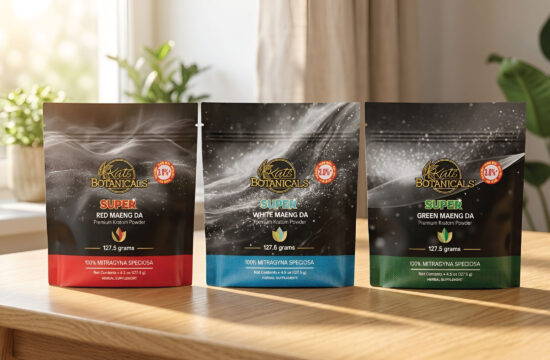
Here’s what the old marketing skips: Maeng Da is made by blending different vein colors into a set recipe. Our Red Maeng Da, for instance, is roughly 60 percent red vein and 40 percent white vein. White Maeng Da leans toward energy with about 70 percent white and 30 percent green. Those ratios shape the experience. They don’t, on their own, make the product an extract.
So the honest answer to “is Maeng Da the strongest?” is that it can be strong as an extract, and it’s a fine everyday choice as regular powder, but the name isn’t the measurement. If strength is your priority, read the milligrams. If a well-rounded blend is what you’re after, Maeng Da earns its reputation.
The Best Kratom Extract Formats Compared
The best kratom extract format depends on how fast you want it, how much you care about taste, and whether you’re willing to measure. Concentration is the same across every format below; the differences are convenience and onset, not some secret power ranking.
| Format | What it is | Typical onset | Best for |
| Liquid shots | Ready-to-drink concentrate, often two servings per bottle | Roughly 15 to 30 minutes | Speed and zero measuring |
| Extract capsules / tablets | Fixed-dose, pre-measured | Roughly 30 to 45 minutes | Travel and consistency |
| Extract gummies | Flavored, semi-solid chews | Roughly 45 to 60 minutes | Taste and discretion |
| Enhanced powders | Leaf powder boosted with extract | Roughly 20 to 40 minutes mixed | Customizing your own amount |
Onset times are approximate and shift with your metabolism and whether your stomach is empty. A shot on an empty morning stomach lands faster than a gummy after lunch. That’s biology, not product quality.
Liquid Shots
Shots are the format to reach for when you don’t want to think about it. A liquid concentrate like our Bali 45 shot lists 125 milligrams of mitragynine per serving, with two servings in a bottle, so you know exactly what you’re taking and can split it across the day. Liquid also becomes available to the body quickly, which is why kratom shots tend to have the shortest onset.
The trade-off is cost per serving and a taste that some people never warm to. If convenience is the point, a shot is the cleanest option in the category.
Capsules and Tablets
Capsules solve the two problems powder can’t: measuring and bitterness. Each one holds a set amount, so there’s nothing to weigh and nothing to taste. Mitragynine-rich tablets and softgel extract capsules travel well and keep dosing consistent from one day to the next. The trade-off is flexibility. You’re locked into the per-capsule amount, so fine-tuning means adjusting how many you take rather than nudging a scale.
Gummies and Enhanced Powders
Gummies are the format built for people who dislike everything about kratom’s flavor. Extract gummies come in flavors like tropical mango and watermelon, and the trade-off is speed. Because a gummy has to be broken down before absorption, it’s usually the slowest to kick in.
Enhanced powders sit at the opposite end. These are leaf powders boosted with extract, which gives you the concentration of an extract with the do-it-yourself control of powder. If you already keep a scale and like dialing in your own amount, an enhanced powder is the most adaptable choice.
How to Choose the Best Kratom Extract for You
The best kratom extract for you comes down to two decisions: how you want to take it and how much you trust the maker. The first is personal preference. The second is non-negotiable, and it’s where most of the risk in this category actually lives.
Match the Format to Your Routine
Start with when you’ll use it. A morning person who wants speed and no fuss is a shot buyer. Someone who travels or values a steady, repeatable amount leans toward capsules. If flavor is a dealbreaker, gummies win. If you like control and already measure your powder, an enhanced powder gives you the most room to adjust. There isn’t a wrong pick here, only a mismatch between the format and your habits. If you’re new to concentrates, our kratom dosage guide is a good starting point for calibrating serving size to format.
Look for Lab Results, Not Adjectives
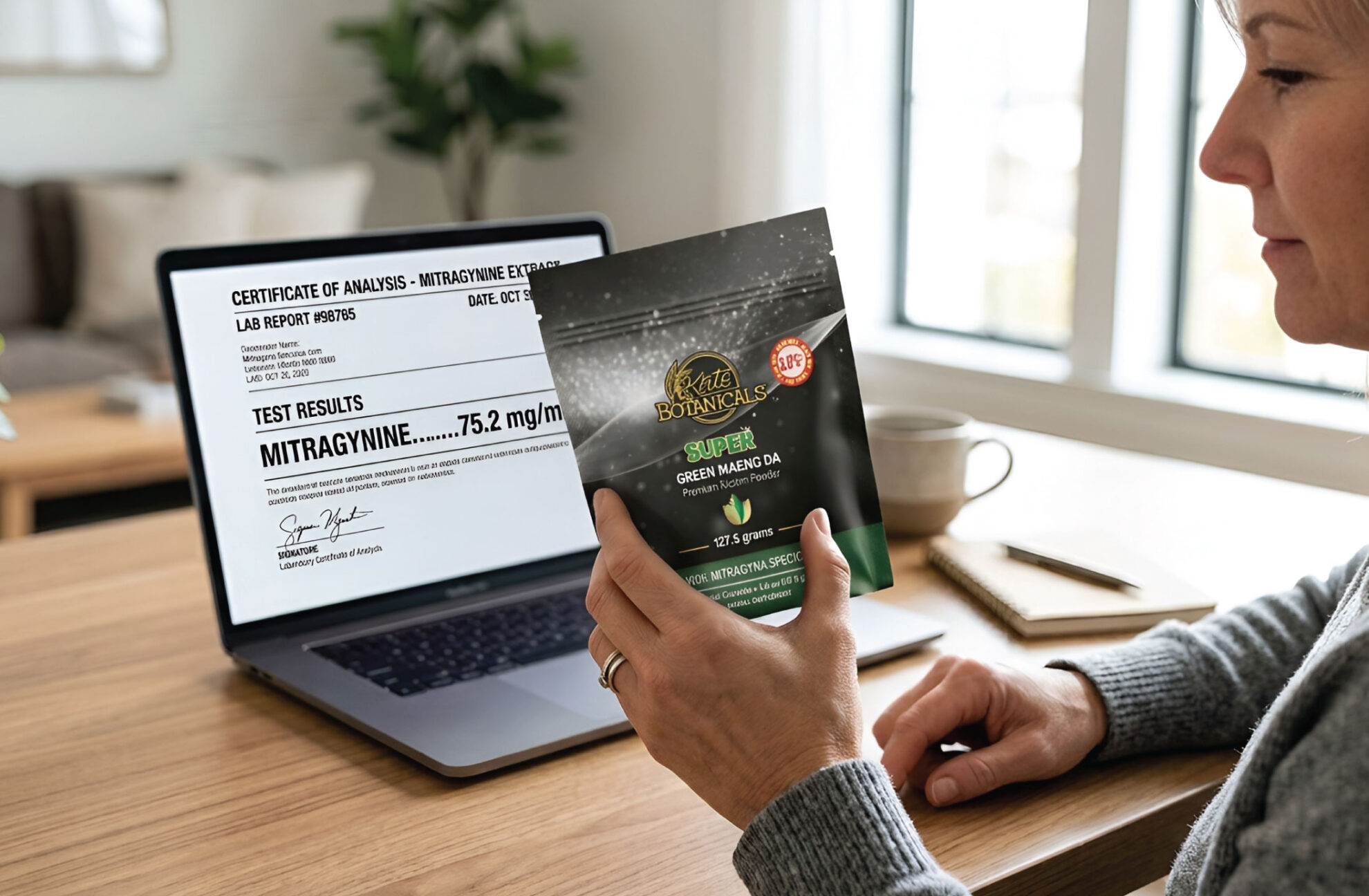
This is what separates a real extract from a marketing gamble. Kratom is not an FDA-approved product, which means quality control falls on the vendor rather than a federal standard. That’s exactly why third-party testing matters more here than in most supplement categories, and it’s why the industry has built its own lab testing framework around it.
The industry’s own bar is the American Kratom Association’s GMP Standards Program, which is modeled on federal dietary supplement manufacturing requirements (21 C.F.R. Part 111) and requires an annual third-party audit of alkaloid content, labeling, and contamination controls. Kats Botanicals is an AKA GMP-qualified vendor, and every extract we sell lists its mitragynine content and comes with lab documentation. A stated milligram count plus an accessible lab report tells you more about quality than any label boasting it’s the strongest.