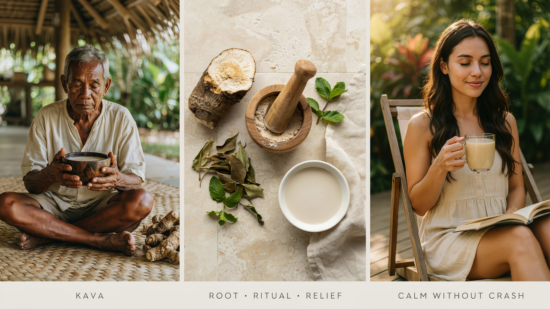
Kava isn’t physically addictive for most people who drink it. That’s the short version, and it holds up under scrutiny. The kavalactones in kava root create a calm, settled feeling by working alongside your brain’s GABA system rather than flooding it with dopamine, and dopamine flooding is the mechanism behind genuinely habit-forming substances like nicotine or alcohol. A small number of people can build a psychological attachment to any pleasant ritual, kava included. But the physical dependence, escalating tolerance, and withdrawal that define true addiction are absent from kava’s profile. Below, we break down what the research shows, how kava stacks up against alcohol, and how to keep your use in the responsible zone.
Quick Answer: Kava isn’t considered physically addictive. Its active compounds, kavalactones, produce relaxation without the large dopamine spike that drives dependence, so there’s no meaningful tolerance buildup or physical withdrawal. Some people can form a psychological habit around daily use, which is worth watching, but that’s different from chemical addiction.
Is Kava Addictive? What the Science Shows
Kava doesn’t meet the criteria that pharmacologists use to classify a substance as addictive. Multiple clinical reviews describe kava as a non-addictive anxiolytic, and that conclusion lines up with how the plant behaves in the brain and how it has been used for generations across the South Pacific.
Addiction, in the clinical sense, has a checklist behind it. Does the substance spike dopamine in the brain’s reward center? Does the body build tolerance fast, demanding more for the same effect? Does stopping trigger physical withdrawal? Kava scores low or zero on all three. That’s the difference between a substance you enjoy and a substance that starts making decisions for you.
Physical Dependence vs. Psychological Habit
Here’s the distinction that gets blurred most often. Physical dependence means your body has adapted to a chemical and reacts badly when it’s removed. Psychological habit means you like something and reach for it out of routine or mood. Kava can produce the second. It doesn’t produce the first.
Think of it like your evening cup of chamomile tea. Skipping it might feel like something is off, but that feeling is about ritual, not your nervous system going into revolt. People who drink kava nightly to unwind can find themselves attached to the wind-down itself. That attachment is real, and for a small group it’s worth managing. It’s not the same thing as being chemically hooked. If you’re weighing kava against other calming botanicals, the kava vs ashwagandha comparison is a useful next read.
How Kavalactones Work in the Brain
Kavalactones act as positive allosteric modulators of GABA-A receptors. In plain terms, they make your brain’s own calming signals work a little more smoothly, mostly in the limbic areas tied to emotion and stress response. Kavain and dihydrokavain are the two most active players here, and the brief guide to kavalactones goes deeper on each one.
What they don’t do is trigger a big dopamine reward. Kava’s interaction with the dopamine system is mild and indirect, which is exactly why it doesn’t create the craving loop that cocaine, nicotine, or opioids do. No reward spike, no chemical demand for more. That single fact explains most of kava’s low dependence profile.
Is Kava an Opioid or Addictive Like Kratom?
Kava isn’t an opioid, and it doesn’t act on opioid receptors at all. This confusion comes up constantly, partly because kava and kratom are sold side by side, and both get described as “relaxing.” They are botanically and pharmacologically unrelated plants.
Kava Is Not an Opioid
Opioids bind to mu-opioid receptors and produce their effects and their dependence risk through that pathway. Kava’s kavalactones don’t touch those receptors. The relaxed feeling from kava comes through GABA, a different system entirely. Calling kava an opioid is like calling green tea a stimulant because coffee is one. Similar setting, different chemistry.
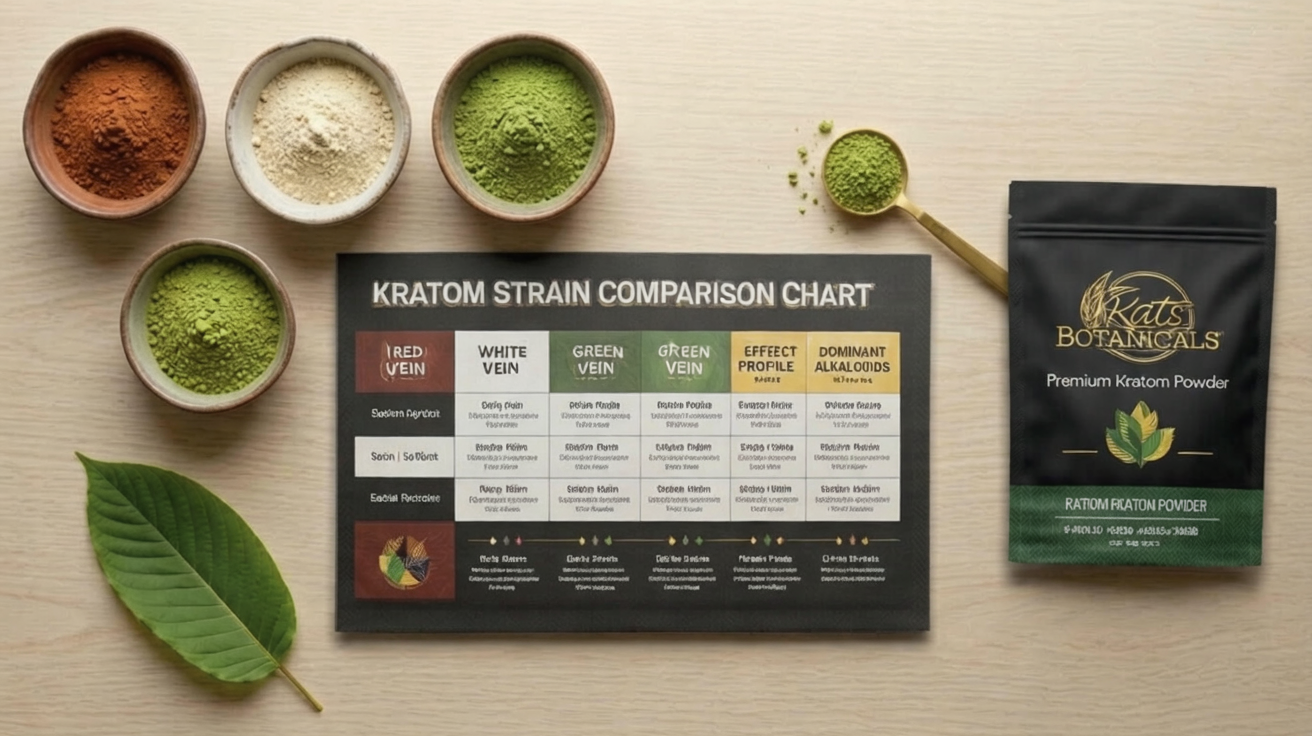
Kava vs. Kratom
Kava comes from the root of Piper methysticum, a pepper relative grown in Vanuatu, Fiji, and other Pacific islands. Kratom comes from the leaves of Mitragyna speciosa, a tree in the coffee family from Southeast Asia. They feel different, work on different receptors, and have different dependence profiles. For a fuller side-by-side, the kava vs kratom breakdown covers the practical differences.
If you’re choosing between them for an evening routine, kava is the gentler option on the dependence question. Kratom’s alkaloids do interact with opioid receptors, which gives it a different risk conversation. That doesn’t make kratom bad; it makes the two plants different tools. Anyone asking “is kava addictive like kratom” is comparing two things that don’t share the same mechanism, so the honest answer is no, not in the same way.
What Kava Withdrawal Looks Like
For the vast majority of people, kava withdrawal doesn’t happen because there’s nothing physical to withdraw from. Stop drinking kava, and your body doesn’t go through the sweats, tremors, or rebound anxiety that mark withdrawal from alcohol or benzodiazepines.
What some regular drinkers notice is milder and psychological: they miss the ritual, or the evening feels less settled without it. That’s habit talking, not a physical dependence unwinding. If you have leaned on daily kava for a long stretch and cutting back leaves you feeling genuinely unsettled, that’s a signal worth paying attention to. It usually says more about how you’re using the plant than about the plant itself, and it’s a reasonable moment to check in with a healthcare provider.
Kava vs. Alcohol for Winding Down
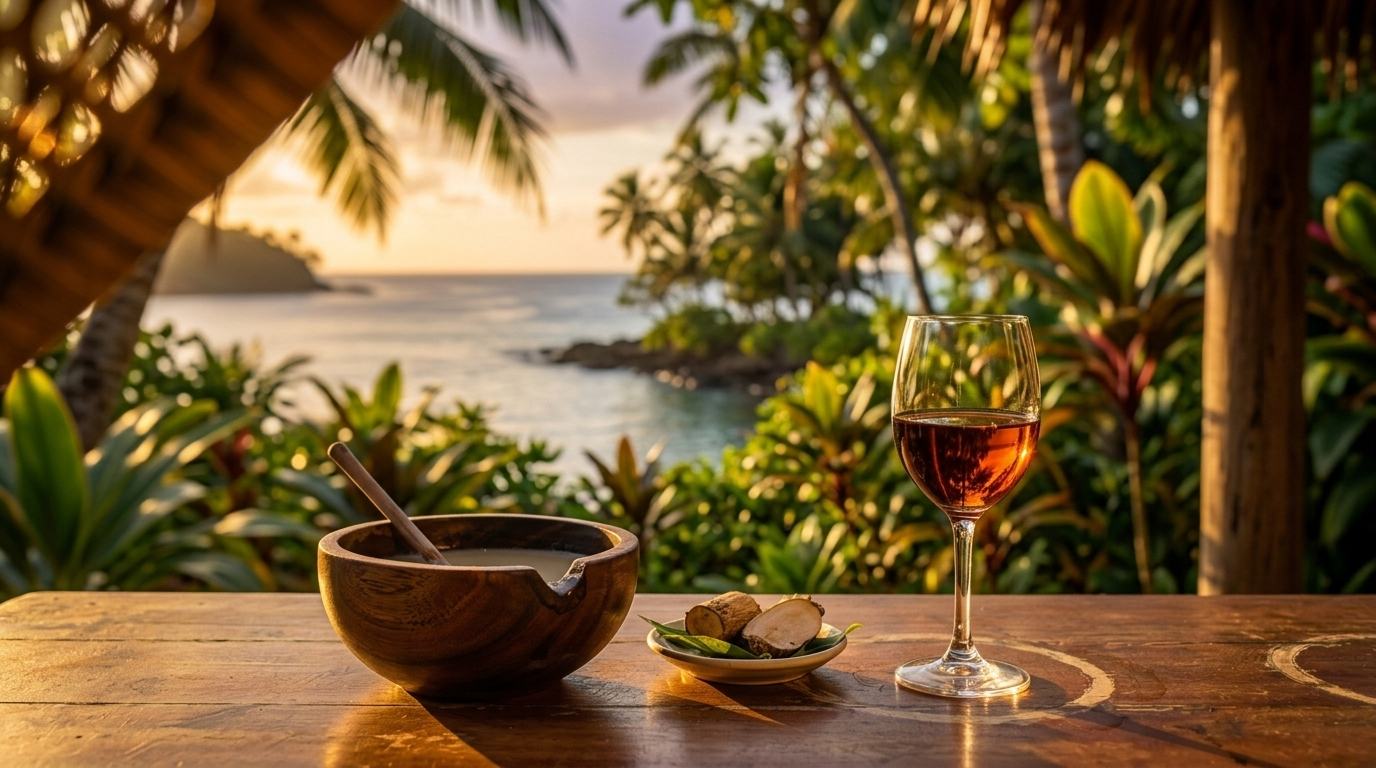
A lot of people reach for kava specifically as an alcohol alternative, and on the dependence question, the comparison favors kava. Alcohol carries physical dependence, tolerance, escalating use, and a withdrawal syndrome that can be medically serious. Kava carries none of those to the same degree.
That framing is fair, but it deserves one honest caveat. “Healthier than alcohol” is a low bar, and it doesn’t mean “consequence-free.” Kava has its own considerations, mainly around the liver and heavy long-term use, which we get to below. The point stands, though: as a way to relax socially or take the edge off an evening, kava doesn’t build the physical hold that alcohol does. That’s a genuine reason it has caught on in kava bars from Florida to Fiji.
What Kava Feels Like and What People Use It For
Kava produces a calm, mildly euphoric relaxation. Most people describe it as a loosening of physical tension and a quieter mind, often with a sociable, talkative lift. It doesn’t cloud your thinking the way alcohol can. The first physical sign is usually a tingling or numbness on the lips and tongue, affectionately called “kava mouth,” which tells you the kavalactones are active.
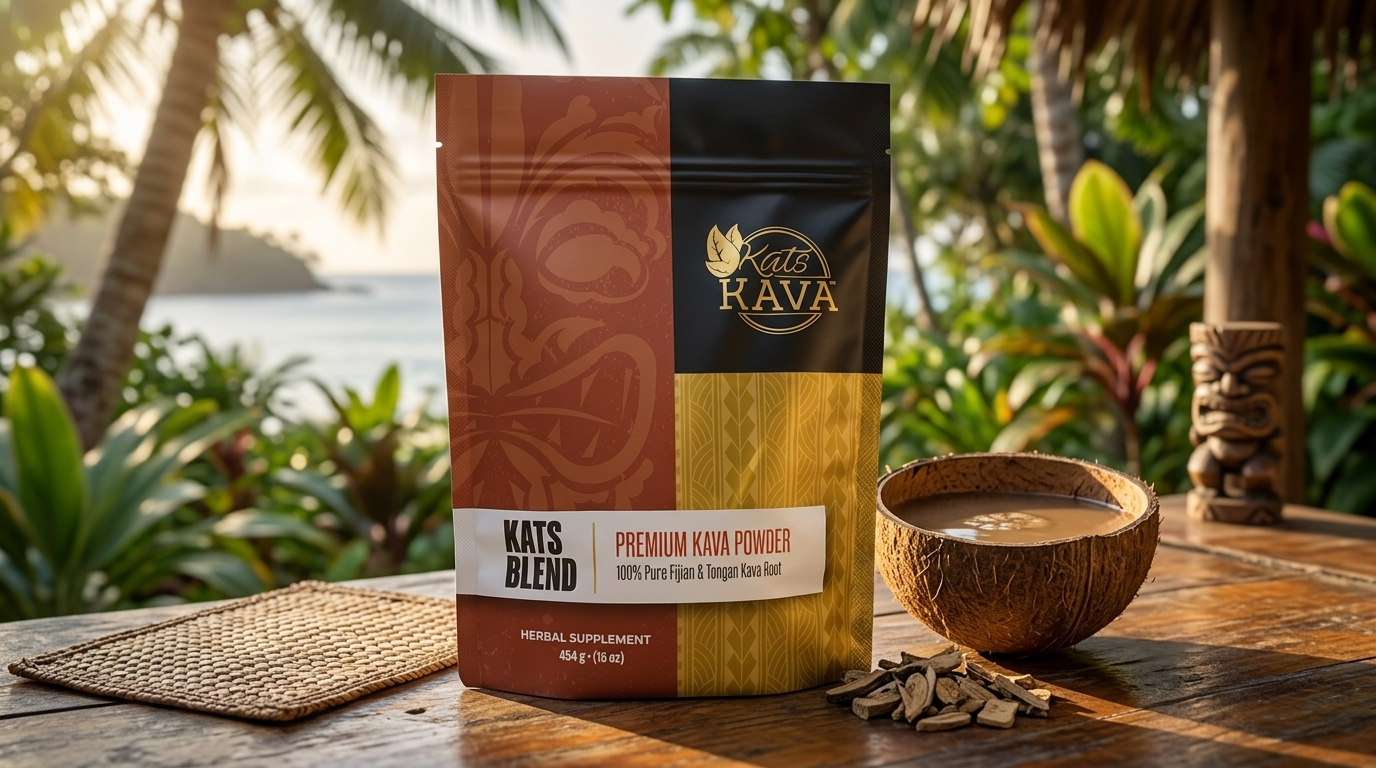
Does kava get you high? Not in the intoxicating, impaired sense. Kava is psychotropic, meaning it changes how you feel, but so is caffeine and so is theanine in tea. What you get is relaxation and ease, not disorientation. For a deeper look at the sensory side, the “What Kava Really Feels Like” guide covers this in more detail. People traditionally drink kava to relax after work, to socialize without alcohol, and to settle into the evening. Those are the states it’s known for: calm, comfort, and a bit of social warmth.
How to Use Kava Responsibly
Kava’s low dependence risk doesn’t mean anything goes. Responsible use comes down to quality, dose, and honesty with yourself about your patterns.
Start with noble kava from a source that lab-tests its product. Noble cultivars are the traditional, well-tolerated varieties. The alternative, tudei or “two-day” kava, is stronger but tends to cause lingering nausea and grogginess that can last a day or more. If kava ever left you feeling rough for days, poorly sourced tudei is a likely culprit. Buying tested noble kava is the single most useful decision you can make here.
Common Side Effects
Most side effects are mild and short-lived. The tongue tingling is normal. Beyond that, some people report:
- Drowsiness or light sedation
- Dizziness or light-headedness
- Upset stomach or nausea
- Mild headache
Heavy, long-term use is a different conversation. Prolonged excessive intake has been linked to a temporary scaly skin condition called kava dermopathy, and there have been rare reports of liver issues, which prompted an FDA consumer advisory back in 2002. The reassuring counterpoint: a 25-week randomized placebo-controlled trial published in Pharmacopsychiatry gave 101 outpatients a standardized kava extract (WS 1490) at 70 mg of kavalactones three times daily and reported that adverse events were rare and evenly distributed between kava and placebo, with no tolerance problems observed. Six months of daily, standardized dosing without a dependence signal is meaningful data.
Who Should Be Cautious
If you have liver concerns, take strong sedatives, or drink heavily, talk to your doctor before adding kava. Don’t combine kava with alcohol or other sedating substances. And if you have a personal history of forming dependencies, be mindful that any pleasant nightly ritual can become a psychological crutch, kava included. Mindful use beats worried use every time. If daily use is your plan, the kava daily use guide has additional context on pacing and pattern-checking.