The phrase pure leaf Kratom can mean two different things depending on who you ask. Some people are searching for information about raw, unprocessed Kratom leaf. Others are looking for reviews of the brand called Pure Leaf Kratom.
Both topics matter, and both connect to a larger question: How do you know you are getting clean, safe, quality Kratom?
This article is part of our Kats Botanicals Competitors series, where we take an honest look at other brands in the Kratom market and show you how to evaluate any vendor – including us.
Raw Kratom Leaf: What Pure Leaf Actually Means
Before talking about any brand, it helps to understand what Kratom leaf is in its most basic form.
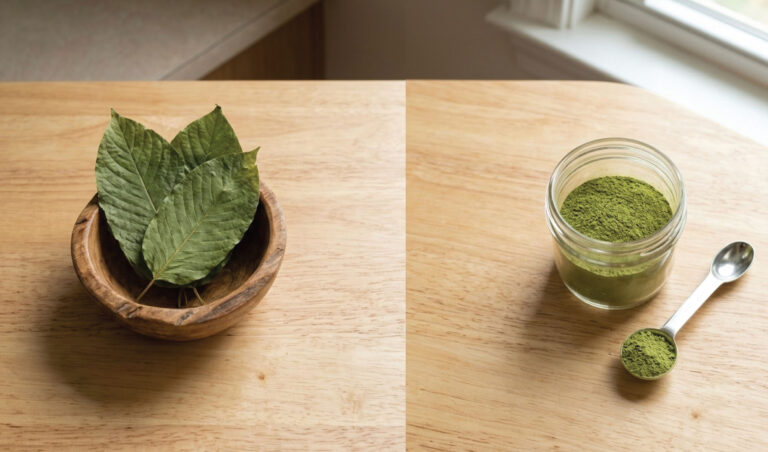
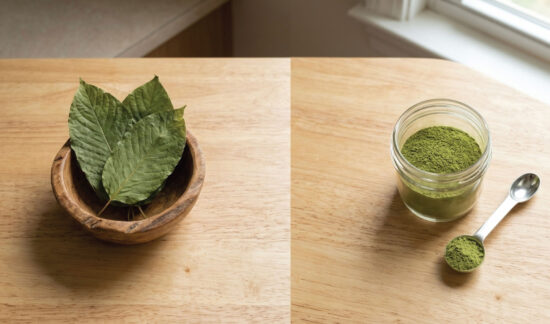
Kratom comes from the Mitragyna speciosa tree, native to Southeast Asia. In countries like Indonesia, Thailand, and Malaysia, the plant grows in tropical climates where heat and humidity allow the trees to reach full maturity. Workers harvest the leaves by hand, selecting mature foliage with well-developed vein structures.
Traditionally, the leaves were plucked directly from the tree and chewed to release the alkaloids. Then, the plant matter was spit out. The leaves could also be used to brew Kratom tea, a common communal ceremony.
This raw leaf tradition spread to the West in pure leaf, powder, capsule, and other formats.
The advanced alkaloid profile of any Kratom leaf depends on several factors: the age of the tree, the maturity of the leaf at harvest, the region where it grew, and how it was dried and processed. The two primary alkaloids are Mitragynine and 7-Hydroxymitragynine, but dozens of other compounds contribute to overall effects.
Drying methods determine vein color classifications by shaping the alkaloid profiles into Red Vein, Green Vein, White Vein and a few other lesser-known distinctions. This applies to both raw leaf Kratom and its powdered versions.
Learn more about Kratom strains in our comprehensive Kratom Strains Chart.
The Problem With Unprocessed Leaf
Raw, loose-leaf Kratom sounds appealing. It feels closer to the source, more natural. But in the United States, buying raw Kratom leaf introduces risks that processed products are designed to eliminate.
Without grinding and standardized processing, raw leaf is difficult to lab test consistently. Alkaloid content can vary from leaf to leaf, making dosing unreliable. And in an unregulated market, loose leaf Kratom sometimes arrives in bulk, unlabeled packaging with no information about where it was grown, how it was handled, or whether it has been tested for contaminants like heavy metals, salmonella, E. coli, or mold.
At Kats Botanicals, we choose not to sell Kratom in whole leaf form for these reasons. Powdered Kratom products are more versatile, more consistent, and easier to lab test and ship fresh. Every batch goes through third-party testing before it reaches you.
The takeaway: Pure Kratom should mean free from adulterants and verified through testing. The format matters less than the quality controls behind it.
Pure Leaf Kratom: The Brand
Pure Leaf Kratom is a Kratom vendor that has been operating since 2019 out of Lakewood, CA. The brand functions as both a direct seller of its own Kratom line and a marketplace that stocks products from other manufacturers. This dual model gives shoppers wide variety under one roof.
Product Range
Pure Leaf Kratom’s own line covers standard vein color offerings:
- Green Maeng Da
- Green Malay
- Green Thai
- Red Bali
- Red Borneo
- Red Kali
- Red Maeng Da
- White Borneo
- White Maeng Da
- White Thai
The brand describes its products as all-natural and organic. Beyond their house brand, Pure Leaf stocks enhanced products, extracts, Kratom shots, and capsules from companies like MIT45, King Kratom, O.P.M.S., and others.
Pricing is competitive. Kratom kilos from Pure Leaf have been listed as low as $49.99, which puts the brand on the affordable end of the market. Free standard shipping on orders over $30 adds to the value proposition, and a loyalty points program offers returning customers ongoing savings.
Quality and Transparency
This is where things get nuanced. Pure Leaf Kratom states that its products undergo lab testing for purity and potency. The brand’s website discusses the importance of third-party testing and describes what those tests check for.
Some reviewers have noted, however, that direct links to Certificates of Analysis (COAs) are not consistently accessible on the site. That does not mean the testing doesn’t happen, but readily available COAs are a transparency standard that informed buyers have come to expect.
It is also worth noting that Pure Leaf Kratom does not hold American Kratom Association (AKA) qualification as of the most recent reviews available. The AKA’s program is a voluntary quality assurance framework that sets standards for sourcing and manufacturing. Not every quality vendor holds this qualification, but participation signals a specific level of commitment to industry-recognized standards.
By comparison, Kats Botanicals is an AKA Kratom vendor using GMP manufacturing across the gamut of online Kratom products, Kava, and other botanical offerings.
Customer Reputation
Online reviews of Pure Leaf Kratom lean positive. Customers frequently mention consistent product quality and fast shipping. The brand has built a following on Reddit and YouTube, with users praising its selection and competitive pricing. The marketplace model means you get access to dozens of brands in one place, which is convenient for people who like to try different products.
The trade-off is that quality can vary between the third-party brands stocked on the site, since each manufacturer has its own sourcing and testing practices.
How Kats Botanicals Compares
This is a brand comparison, so here is where we lay the differences out directly. Kats Botanicals and Pure Leaf Kratom serve different segments of the market, and understanding those differences helps you decide what matters most to you.
About Kats Botanicals
Beginning as a small, family operation in 2016, Kats Botanicals quickly earned consumer trust. From garage roots to industry leader, they maintain that personal touch while delivering lab-tested consistency. Today, the Kats name is synonymous with personalized service and a broad selection of highly-curated plant-based wellness options, Kratom and Kava being central to their offerings.
Lab Testing You Can Verify
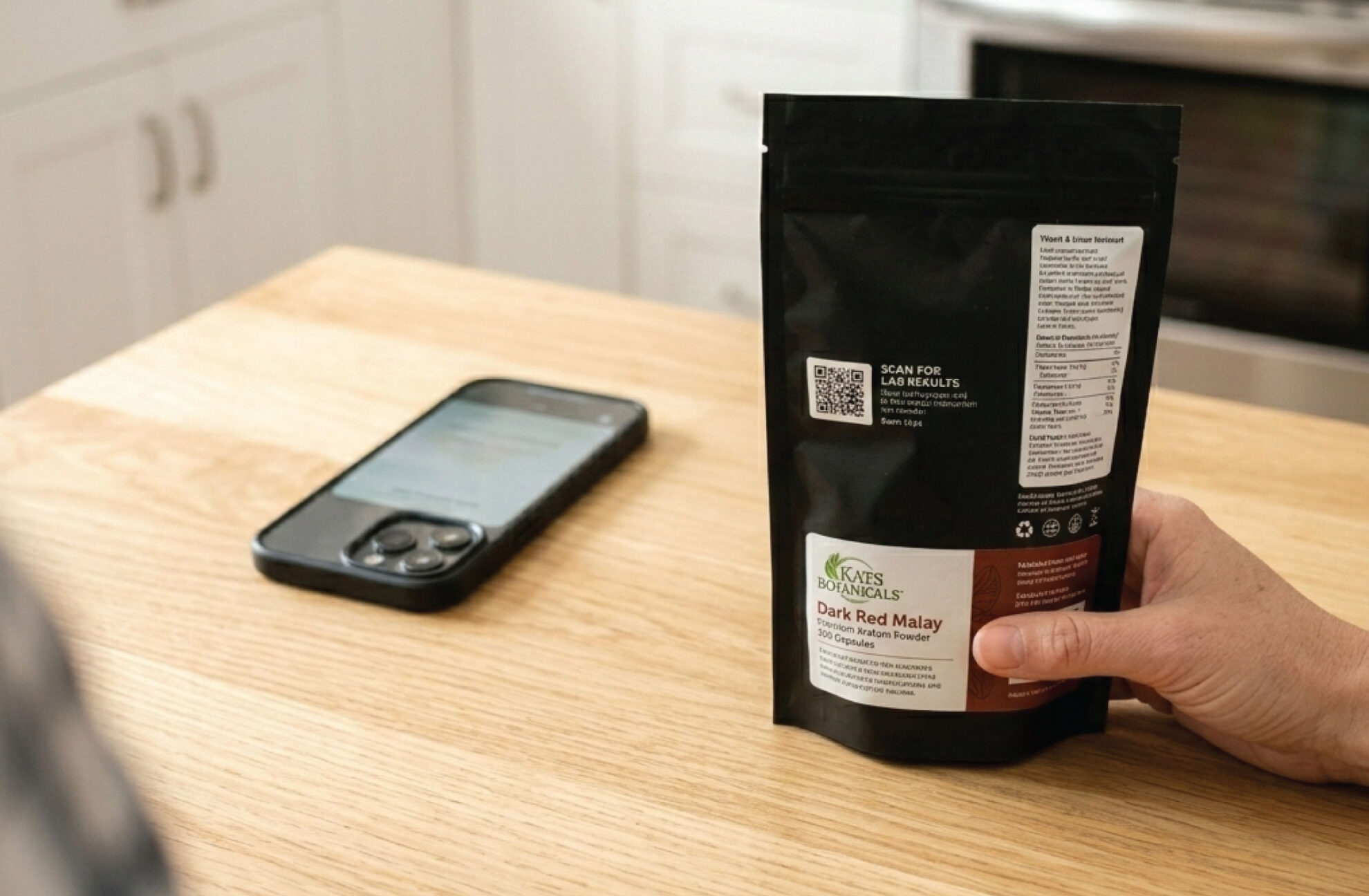
Every batch of Kratom sold by Kats Botanicals goes through third-party laboratory testing. These tests screen for alkaloid content (Mitragynine and 7-Hydroxymitragynine levels), heavy metals, microbial contaminants, and the absence of synthetic additives. The results are documented in Certificates of Analysis accessible via QR codes printed directly on product packaging. Scan the code, see the lab results for the specific batch you are holding. This is not a general claim; it is a verifiable, product-level practice.
Learn more about our Kratom lab testing standards.
AKA GMP Qualification
Kats Botanicals participates in the American Kratom Association’s Good Manufacturing Practices program and exceeds its requirements. This means the brand meets established standards for manufacturing processes and product testing. GMP qualification is voluntary, which makes it a deliberate commitment to operating above the baseline.
Curated Selection vs. Marketplace
Pure Leaf operates partly as a marketplace, stocking products from many brands alongside its own. This gives shoppers variety, but the quality standards of each product depend on the original manufacturer. Think of it as a botanical “grocery store” of sorts, providing variety but the quality of individual products can vary widely. This increases your research legwork to vet each product you buy for safety and purity.
Kats Botanicals takes a curated approach. The Kratom products for sale feel intentional, with each strain and product type selected and produced to meet consistent quality standards. When you order Green Maeng Da or Red Bali from Kats, you know the sourcing and testing process is the same every time. The lineup includes over 40 different Kratom strains and custom blends across powder, capsule, and extract formats. In addition, other botanical products build out the line for a comprehensive wellness one-stop-shop.
Education as a Core Value
Another perk to shopping with Kratom specialists like Kats Botanicals is the access to consumer education materials – a central focus of the brand, not a marketing afterthought. The blog and dosage guides – like Kratom Dosage Guide: How Much Kratom Should You Take? – exist to help you make informed decisions. In a market where misinformation and hype are common, having a trusted educational resource matters.
Pure Leaf Kratom vs Kats Botanicals: Side-by-Side Comparison
| Category | Pure Leaf Kratom | Kats Botanicals |
| Headquarters | Lakewood, CA | Nashville, TN |
| Business Model | House brand + third-party marketplace | Curated, single-brand |
| Product Types | Powder, capsules, extracts, enhanced, shots | Powder, capsules, extracts, enhanced powders, specialty blends, shots, bulk powders, (Plus additional botanicals like Kava, CBD, Shilajit, mushroom tinctures, and more) |
| Strain Variety | Wide (own brand + dozens of third-party brands) | 40+ strains and custom blends |
| Third-Party Lab Testing | Stated; COA accessibility varies | Verified; COAs on every product via QR code |
| AKA GMP Qualified | Not listed | Yes; exceeds standards |
| Pricing | Budget-friendly; kilos from ~$50 | Competitive; quality-focused pricing |
| Shipping | Free standard over $30 | Free shipping over $100; same-day dispatch before 3 PM ET |
| Educational Content | Basic blog and brand reviews | In-depth blog, strain charts, dosage guides |
| Customer Reviews | Positive; praised for variety and value | 33,000+ reviews; praised for quality and consistency |
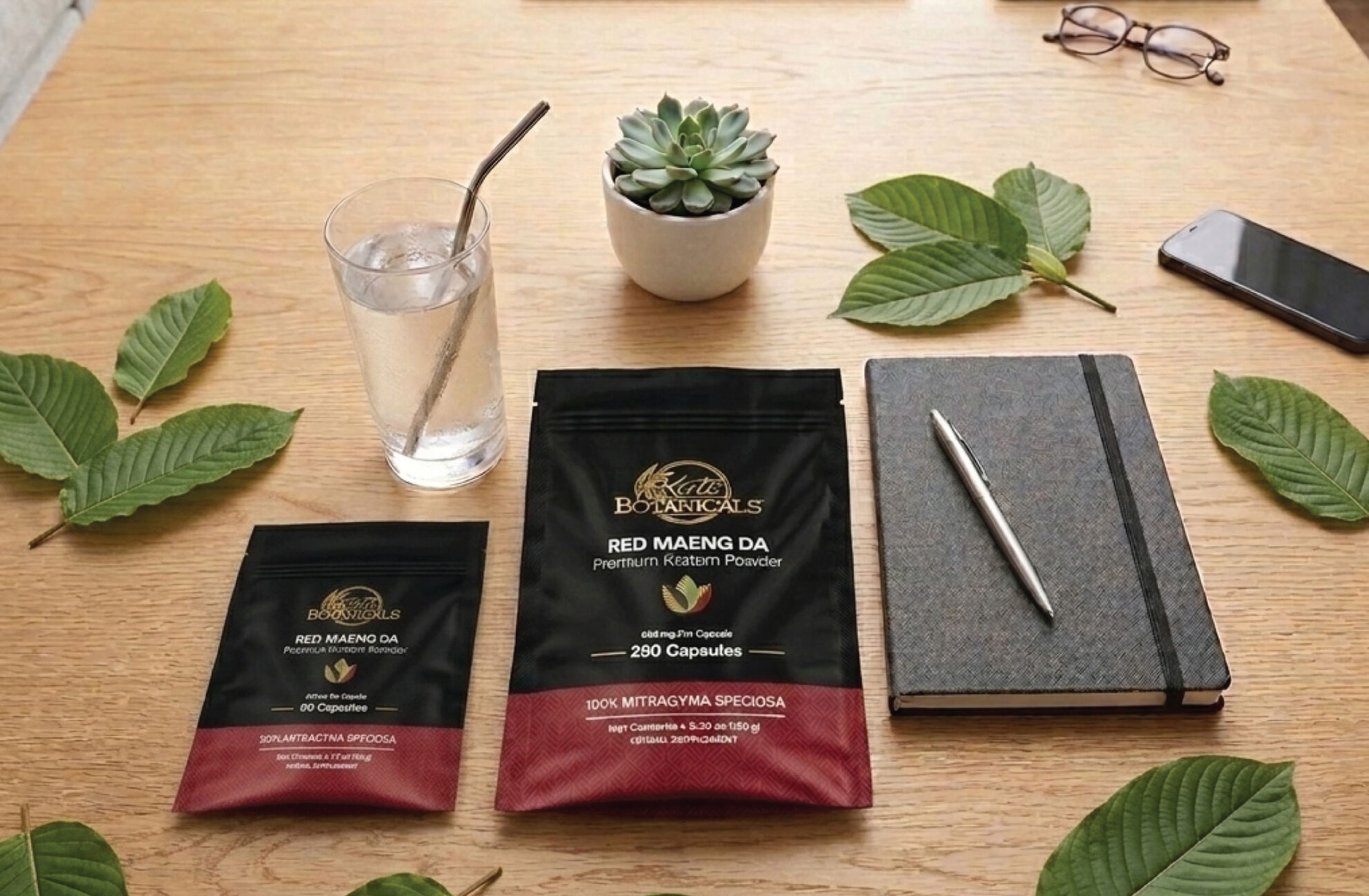
What to Prioritize When Choosing a Kratom Vendor
Regardless of which brand you choose, certain standards should guide your decision:
- Verified lab testing is the foundation. If a vendor cannot show you a Certificate of Analysis for the product you are buying, that is a red flag. Lab tests should cover alkaloid potency, heavy metals, microbial contamination, and the absence of synthetic additives.
- Sourcing transparency tells you where the Kratom comes from and how it is processed. Vendors with direct farmer relationships in Southeast Asia tend to have more control over raw material quality.
- Consistent quality means the product you receive this month should match what you received last month. That requires disciplined sourcing and testing practices.
- Responsible messaging matters too. Trustworthy vendors educate about responsible use and provide clear dosage guidance rather than making medical claims.
Related reading: 8 Tips to Find the Best Kratom Vendor.