If you’ve searched “is Kava legal,” you’re probably tired of vague answers and recycled headlines that dance around the question. You want to know whether Kava is allowed in the United States, particularly where you live. You want clear answers, without sketchy spin.
Is Kava Legal?: Yes, Kava is legal in the United States. It’s not a controlled substance, and there’s no federal ban on buying, possessing, or drinking it. The confusion you’re running into online isn’t coming from current law. It’s coming from outdated information and misunderstood regulations. Some early-2000s scare stories never quite disappeared from search results.
The more interesting question isn’t whether Kava is legal. It’s why people are still unsure. So, let’s get clear about Kava legality in the U.S. and what you need to know!
Is Kava Legal in the United States?
Yes. Kava is legal throughout the United States at the federal level. No laws prohibit purchasing, possessing, or consuming Kava products. It’s been sold openly for years in traditional preparations, packaged beverages, and dietary supplements.
Walk into a wellness shop in most major cities and you’ll find Kava on the shelf. Kava bars operate openly across the country. That doesn’t happen with prohibited substances.
Much of the lingering confusion comes from people equating regulation with prohibition. Something can be regulated without being illegal. Kava sits squarely in that category, and understanding the difference clears up most of the uncertainty.
Is Kava Legal at the Federal Level?
Kava is not listed under the Controlled Substances Act. There’s no federal restriction treating Kava root as illegal to possess or use. Instead, Kava falls under the broader category of plant-based botanical supplements, sold for wellness and cultural use.
Is It Legal to Buy and Sell Kava in the US?
Completely legal. There are no laws against Kava root, growing Kava plants, or using Kava for calm or social ease. It is not a federally controlled substance, nor are its active ingredients (kavalactones).
Learn more about the benefits of kavalactones and how they work with the body to promote social ease and calm.
You can buy Kava products online, in specialty wellness stores, and in Kava bars throughout the country. These businesses operate openly, advertise publicly, and follow standard commercial requirements. That wouldn’t be possible if Kava were prohibited.
Oversight focuses on safety, manufacturing, and labeling rather than banning the plant. Many confuse business regulations for evidence that a product is somehow illegal or about to be banned. That’s not what’s happening with Kava.
This may clarify the sometimes murky legal landscape of Kava:
- Prohibition: Prohibition criminalizes the sale, possession, or use of a substance. As of 2026, Kava is not federally prohibited.
- Regulation: Regulation puts rules in place regarding safety, labeling, and sale. Since Kava is listed by the FDA as a dietary supplement, it is therefore regulated to that purpose.
- Area Bans: States, local areas, business owners, and organizations have the right to ban Kava if they want. New York City has some restrictions in food service. Mississippi and Indiana have permitting rules in place for some counties. Tennessee had bar restrictions in place but have loosened those.
See our complete user guide: Where Can I Buy Kava?
 Is Kava Legal in All US States?
States don’t have to follow federal lead, as can be seen in the case of Kratom legality regulation and the rising backlash against 7-OH (see what is 7-OH?). As of 2025. Kava is legal in all US states and territories with Wisconsin having the toughest restrictions.
Wisconsin bans Kava sales and distribution statewide via health department rules. So you can’t sell it, but personal possession and use remain legal. How’s that for murky?
State-Level Differences and Local Regulations
Some cities initially struggled with how to classify Kava when Kava bars started popping up. Those discussions were typically about licensing, zoning, or beverage regulations. In most cases, standard administrative adjustments were applied rather than legal restrictions. Business oversight does not equate restrictions of Kava plant use, but on how it is sold, distributed, packaged, etc.
How to Check Kava Legality in Your State
Official state or city health department websites are your most reliable sources. Avoid outdated articles or speculative websites. Also, check official websites for organizations, workplaces, and public spaces where you want to use Kava.
Why Do People Still Ask If Kava Is Legal?
Misinformation has a long shelf life online. Many articles appearing in search results are built on headlines from decades ago. They may also represent outdated policy.
The History of Kava Bans and Restrictions
In the early 2000s, several European countries restricted or temporarily banned certain Kava products. This followed reports linking some extracts to liver concerns. Those actions received widespread media attention, often reported without nuance. This created the impression that Kava itself was dangerous or illegal everywhere.
The United States didn’t ban Kava during this period. US agencies issued advisories and encouraged further research, but no prohibition followed. Some alarming headlines remain online, still influencing public perception.
Learn more about Kava safety.
Liver Safety Concerns and How They Shaped Regulation
Over time, research began distinguishing between traditional Kava root preparations and highly processed extracts made from non-traditional parts of the plant. This shifted the conversation away from outright bans toward questions of sourcing, preparation, and manufacturing quality.
In the US, the result was increased emphasis on responsible production and consumer transparency rather than prohibition. The focus became quality control, not criminal enforcement.
Recommended Read: Is Kava Addictive? Discussing Kava Addiction Vs Kava Daily Use
Is Kava Regulated in the US?
Yes, and that’s a good thing. Regulation exists to protect consumers, not to prevent them from using Kava. That distinction gets lost in a lot of online discussions.
Kava as a Dietary Supplement
Most noble Kava products in the US are sold under the dietary supplement framework. Manufacturers are expected to follow good manufacturing practices and provide accurate, non-misleading labeling. This system gives regulators tools to intervene when products are adulterated or marketed irresponsibly. .
Why Sourcing and Quality Matter
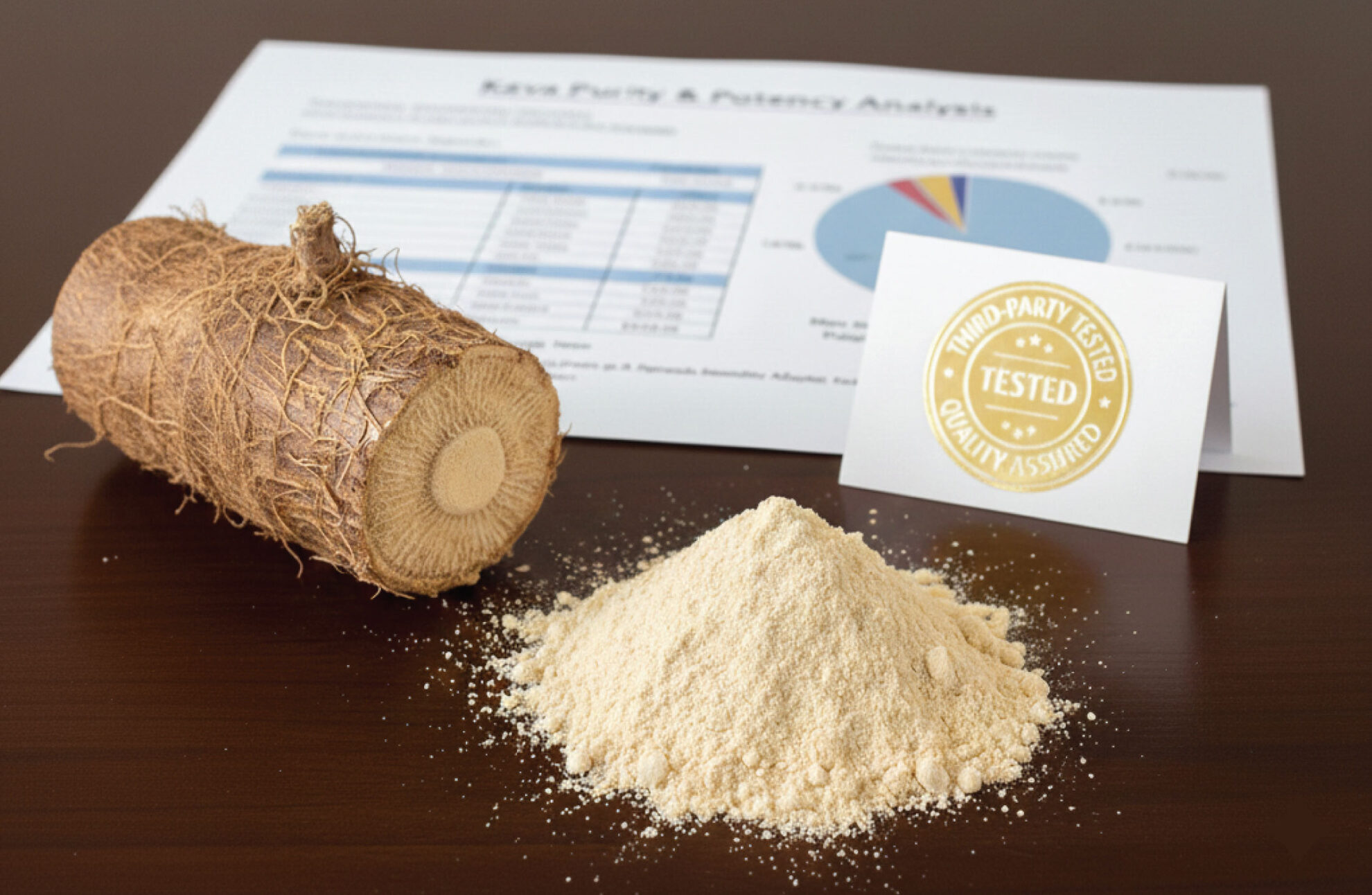
Because Kava is legal, quality matters more than legality itself. Traditional Kava uses the peeled root of the plant, often called noble Kava. Reputable sellers emphasize root-only sourcing, clear labeling, and third-party testing to help consumers make informed choices.
These practices don’t exist because Kava is illegal. They exist because transparency and quality are essential when a product is widely accessible. Legal doesn’t automatically mean good.
To buy Kava online, stick with reputable sources like Kats Botanicals. Kats Botanicals ethically sources noble Kava varieties from the South Pacific. We employ Good Manufacturing Practices at every step and lab test all batches for safety and potency.
Is Kava Legal to Drink in Kava Bars and Lounges?
Kava bars operate legally in many U.S. cities as alcohol-free venues. However, you won’t find Kava bars in places like New York City and Wisconsin due to health codes and sales restrictions.
Kava bars offer alcohol-free social spaces centered around relaxation and conversation. They’re regulated locally, just like coffee shops or juice bars, but the legality of Kava itself isn’t in question.
Curious about Kava vs Kratom? We created a detailed guide to help you better understand the similarities and differences between these two emerging botanical products!
The Rise of Kava Bars in the US
Over the past two decades, Kava bars have grown steadily as alternatives to traditional nightlife. Their visibility and longevity reinforce that Kava is legal and culturally accepted in many parts of the country. Today, over 200 Kava bars operate across the U.S., concentrated in states like Florida and California.
See more here: What Is a Kava Bar Like? A First-Hand Look at Kava vs Kratom Bars
Local Licensing and Alcohol-Free Alternatives
Some municipalities initially struggled with how to classify Kava bars within existing alcohol laws. In most cases, those issues got resolved through standard licensing updates rather than bans. Kava bars typically operate under food or beverage regulations.
Is Kava Legal Internationally?
Kava’s legal status varies by country, which adds to the confusion online. Some countries embrace Kava as part of cultural tradition while others take a more cautious regulatory approach. These international policies often appear in search results but have no impact on US law.
Kava remains banned or heavily restricted in countries like the UK, France, Poland, and Switzerland.
 Buying Kava Online Safely and Responsibly
Understanding legality is only one part of making an informed decision. Legal access doesn’t guarantee product quality, consistency, or transparency. Transparency means that the company selling the Kava is honest about what’s in it and how to use it safely.
What Legality Does and Doesn’t Guarantee
Legal status means Kava can be sold and used. It doesn’t guarantee sourcing standards, potency, or manufacturing quality. Even with some regulation in place, quality falls on seller responsibility and consumer vetting.
How Reputable Brands Approach Compliance
Trusted brands focus on traditional sourcing, third-party testing, and clear labeling. They avoid exaggerated claims and emphasize education over hype. This approach aligns with how Kava has historically been used: as a social and cultural botanical rather than a shortcut or cure-all.
At Kat’s Botanicals, we commit to high-quality sourcing and the testing necessary for safe use. If you have questions about what to look for in quality Kava, we’re happy to help.
Recommended Read: Finding Quality Kava Near You: Where to Buy Authentic Kava