Not all kava is meant to be consumed. That single fact explains most of the confusion people run into when they start comparing noble kava vs tudei kava. Noble kava refers to the cultivars that Pacific Island communities have consumed daily for centuries, prized for a balanced kavalactone profile and a clean return to normal. Tudei kava, sometimes spelled “two-day,” carries a heavier chemical load, lingers far longer, and is widely restricted from export by kava-producing nations. If you want relaxation you can walk away from the same evening, noble is the category built for that.
Quick Answer: Noble kava is a group of traditionally cultivated cultivars with a balanced kavalactone profile that Pacific communities have consumed daily for generations. Tudei kava contains higher levels of dihydromethysticin and flavokavain B, which are linked to prolonged effects, nausea, and next-day sluggishness. Kava-exporting countries like Vanuatu legally restrict tudei to protect drinkers, which is why noble kava is the standard for consumption.
What Actually Separates Noble From Tudei
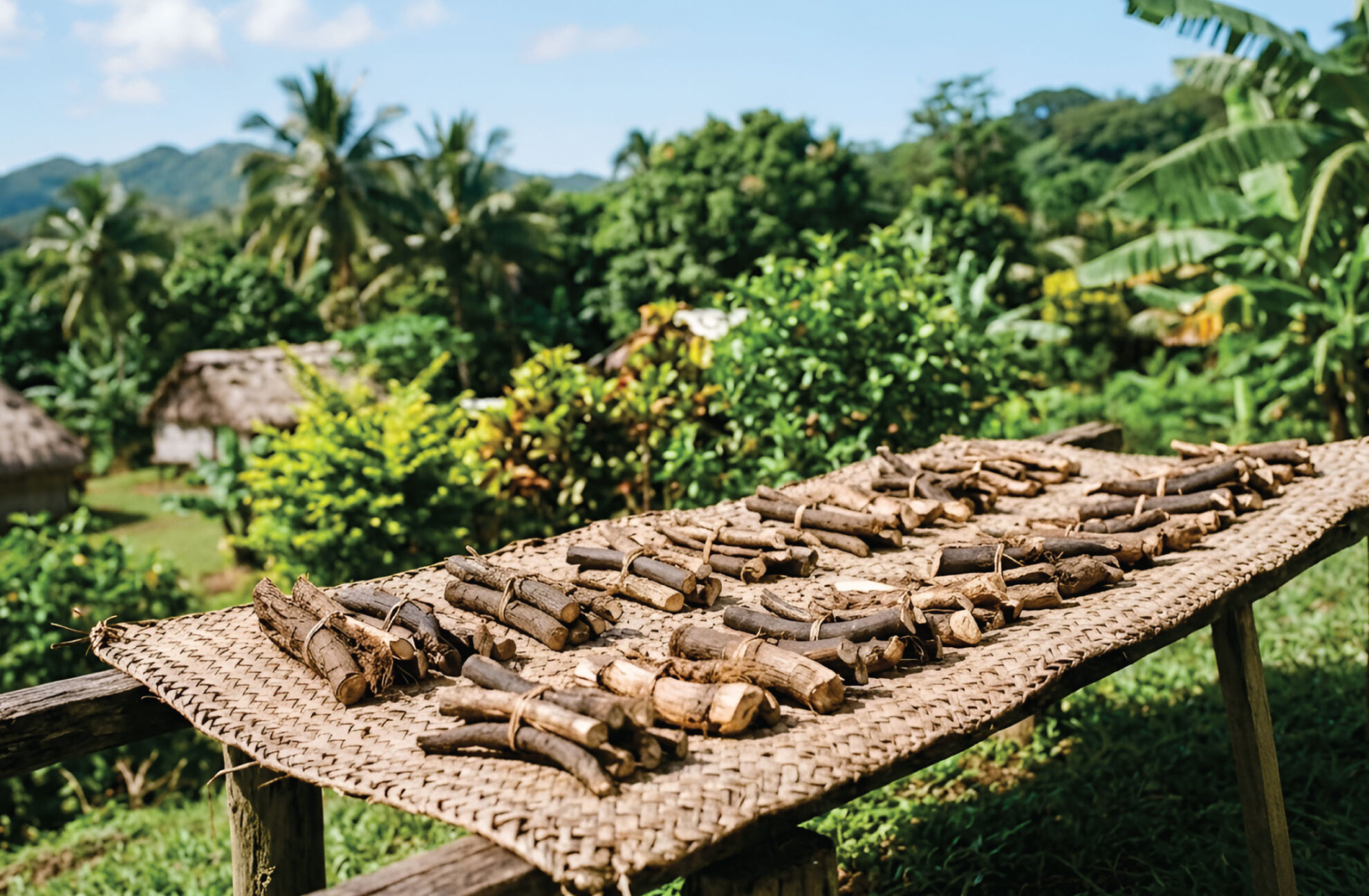
The difference isn’t marketing. It’s chemistry, and it comes down to two things: the balance of kavalactones and the presence of certain flavokavains. Both plant types belong to the Piper methysticum family, both look similar as a dried root, and both will produce a peppery drink. What happens after you drink them is where they part ways.
Kava contains active compounds called kavalactones, and researchers have identified six major ones that account for most of the plant’s effects. The ratio of those six is what defines a cultivar. Ethnobotanist Vincent Lebot developed a chemotype system in the 1990s that assigns each kavalactone a number from 1 to 6, then ranks them by concentration to produce a six-digit code. That code tells you, at a glance, what kind of kava you’re holding.
The Chemotype Code
The six kavalactones are numbered: (1) desmethoxyyangonin, (2) dihydrokavain, (3) yangonin, (4) kavain, (5) dihydromethysticin, and (6) methysticin. Noble cultivars tend to lead with kavain and dihydrokavain, the compounds associated with the pleasant, sociable, wind-down quality drinkers actually want. A common noble chemotype reads something like 4-2-6-3-5-1, meaning kavain sits on top and dihydromethysticin stays low in the mix.
Tudei flips that arrangement. Its chemotype pushes dihydromethysticin (5) high in the ranking, often near the top. That single shift changes the whole experience. Dihydromethysticin is slow to metabolize, so effects that a noble kava would deliver and clear within a few hours can stretch across a day or more with tudei. This is where the “two-day” nickname comes from, and it isn’t folklore. Drinkers who accidentally get tudei describe a heaviness that hangs on well past the point they wanted it gone.
If you ever see a kava product publish its chemotype, that’s a good sign. Most consumer kava never shows one at all.
Flavokavains and Why They Matter
Beyond kavalactones, kava contains a smaller class of compounds called flavokavains. Noble kava contains relatively little flavokavain B. Tudei and wild Piper wichmannii stock contain markedly more. Published analyses have found flavokavain B concentrations in tudei-type kava several times higher than in noble cultivars, and this compound is the one most often flagged in discussions of kava’s rare liver-related safety concerns.
Here’s the practical takeaway. When people blame “kava” for nausea or feeling wrecked the next morning, they’re frequently describing tudei kava, not the noble root that traditional drinkers have used safely for generations. The plant got the reputation. The wrong cultivar earned it.
Why Tudei Kava Earned Its Reputation
Tudei isn’t poison, and Pacific Islanders have long recognized specific uses for it outside of daily drinking, including some medicinal and ceremonial contexts. But it was never the everyday cup. The reason is straightforward: the experience is harder on the body and slower to leave.
Search any kava forum or the tudei kava threads on Reddit, and you’ll find the same pattern of reports. People describe a stronger initial hit, which is exactly why some sellers push it, followed by grogginess, stomach upset, and a fog that carries into the next day. That trade is a bad one. You’re not getting a better version of relaxation. You’re getting a longer, heavier one you didn’t sign up for, plus a Tudei kava hangover that a good noble root simply doesn’t produce.
The commercial temptation is real, though. Tudei plants grow faster and yield more kavalactones by weight, which makes them cheaper to produce. A less scrupulous supplier can blend cheap tudei into noble kava to boost potency numbers and cut costs, and the buyer never knows. That economic incentive is the entire reason the distinction matters at the point of sale.
The Safety Differences That Drive Regulation
The gap between noble and tudei isn’t just about comfort. It’s the basis for actual law in the countries that grow the plant.
Regulation and Sourcing
Vanuatu, one of the primary kava-exporting nations, passed the Kava Act of 2002, which permits only noble cultivars for export. Tudei and wild wichmannii varieties are legally restricted from the export market specifically to protect international consumers and preserve the reputation of Vanuatu kava. Fiji has moved in a similar direction with its own kava quality standards. When a government writes cultivar restrictions into trade law, that tells you the difference is taken seriously by the people who know the plant best.
This is where sourcing becomes the whole ballgame. A brand that sources noble kava from Vanuatu and can point to that origin is operating inside a regulatory framework built to keep tudei out of your cup. A vague “premium kava” with no cultivar, no country of origin, and no testing is a question mark. If you’re new to the category, our guide to noble kava walks through what to expect from a properly sourced cup.
Testing and Verification
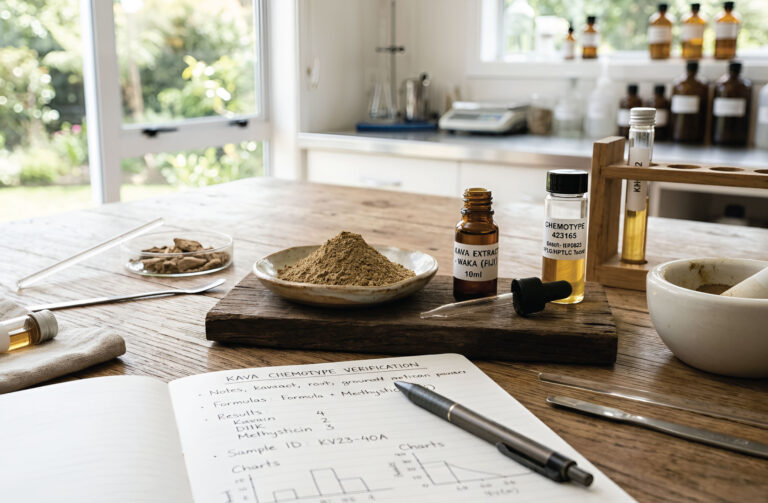
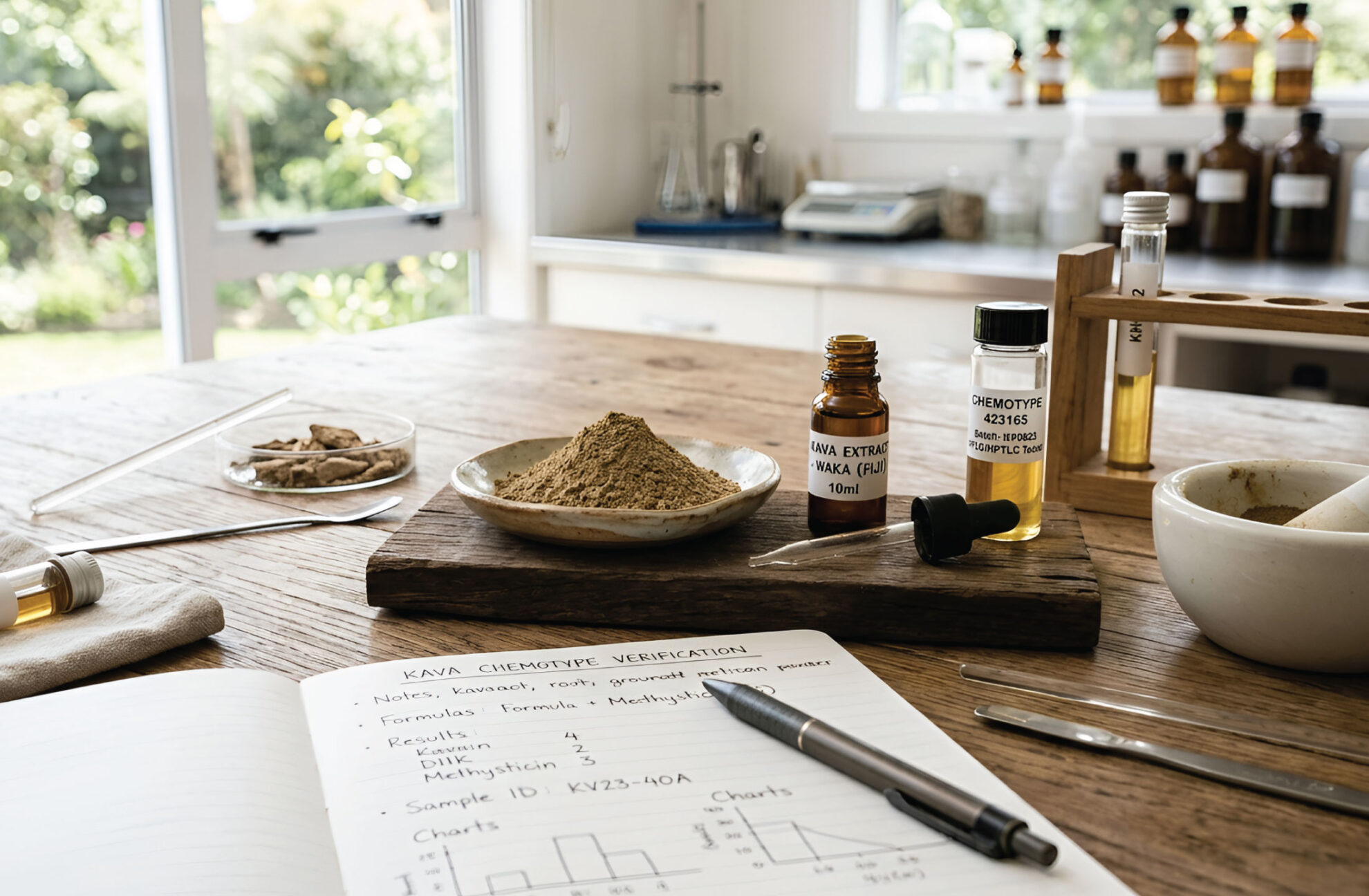
Two lab tests separate serious kava suppliers from the rest. The first is an acetone-based color test, sometimes called the flavokavain test, which stains tudei-type kava a distinct orange-yellow because of its higher flavokavain content. Noble kava barely changes color. The second is chemotype analysis, which quantifies the six kavalactones and confirms the ratio matches a noble profile. Neither test is exotic, and any supplier who cares about what they’re selling can run them.
For the drinker, this means you don’t have to become an expert in cultivars. You have to buy from someone who already is. Third-party lab documentation for kavalactone content and cultivar verification is the shortcut. If a seller can’t produce it, you’re trusting a guess.
How to Know You’re Getting Noble Kava
You can’t reliably tell noble from tudei by taste or appearance alone, which is exactly why unscrupulous blending works. What you can do is buy on evidence rather than adjectives.
Look for the cultivar named as noble and, ideally, a specific country of origin like Vanuatu or one of the Solomon Islands cultivars grown under similar traditions. Look for language about lab testing that names what was tested, kavalactone content and cultivar type, rather than a generic “tested for quality” line that says nothing. Traditional preparation as a root powder you strain and drink keeps you closest to how noble kava has always been consumed, which matters because that centuries-long track record is built on the root, not on novelty formats. If you want a walkthrough of the classic method, our kava tea preparation guide covers it end to end.
Be skeptical of any product marketed purely on strength or an unusually low price per gram. Potency framing is often a quiet signal of tudei content, since that’s where the extra kavalactone weight comes from. Real noble kava competes on balance and cleanliness, not on how hard it hits. If you’re weighing whether kava fits your routine at all, the kava vs kratom comparison is a useful starting point.