
The 7-OH vs Kratom conversation is one of the most important in the modern Kratom community. While 7-Hydroxymitragynine (7-OH) is naturally found in the leaves of Mitragyna speciosa, it exists only in trace amounts. Lately, products labeled “advanced Kratom” or “7-OH Kratom” have become more visible online, often boasting unusually high concentrations of this alkaloid.
These new offerings have raised questions about what’s truly natural, how 7-OH differs from traditional Kratom leaf, and whether these concentrated products are safe. At Kats Botanicals, we believe understanding what’s inside your Kratom is essential to using it responsibly. 7-OH is indeed part of natural Kratom’s chemistry, but when isolated or amplified, its potency can increase dramatically.
Because of that, it’s worth learning how this metabolite interacts with other alkaloids, such as Mitragynine, and why balance matters when choosing your Kratom products. This guide explores what 7-OH is, how it compares to traditional Kratom, and what you should know before buying products marketed as “advanced.”
What Is Kratom?
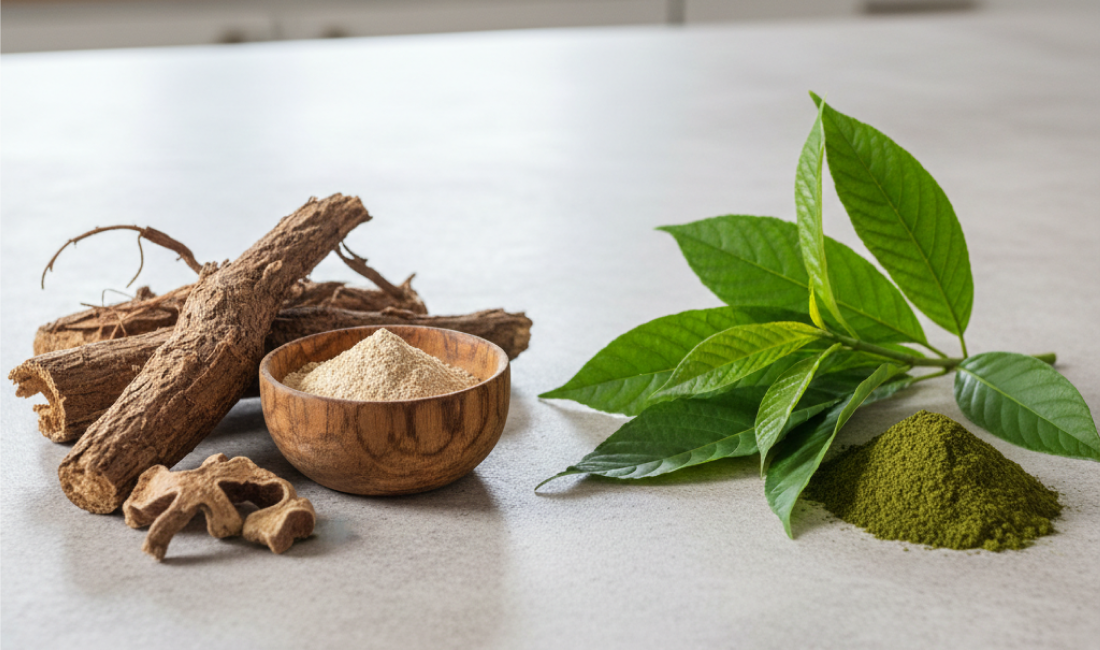
Kratom is the tropical tree (Mitragyna speciosa) native to Southeast Asia. For centuries, the leaves have been chewed or steeped to make tea. Reports of improved mood and stamina have piqued buyers’ interest in the West as a support for wellness-conscious, active lifestyles.
The leaf contains more than 40 identified alkaloids, with Mitragynine and 7-Hydroxymitragynine being the two most studied. Traditional Kratom products, powders, capsules, or teas, deliver a balanced, “full-spectrum” experience. The compounds work together, synergistically, to produce the effects.
Different strain types offer varying alkaloid ratios and effects. For example, White Maeng Da tends to be uplifting, while Red Vein Kratom strains can be more calming. Dosage and user metabolism also affect experience. Responsible use is stressed, with around 2.4 grams or less to start. Effects are dose-dependent and can change at higher doses, making Kratom a very versatile plant.
Learn more about how Kratom works.
 What Is 7-OH?
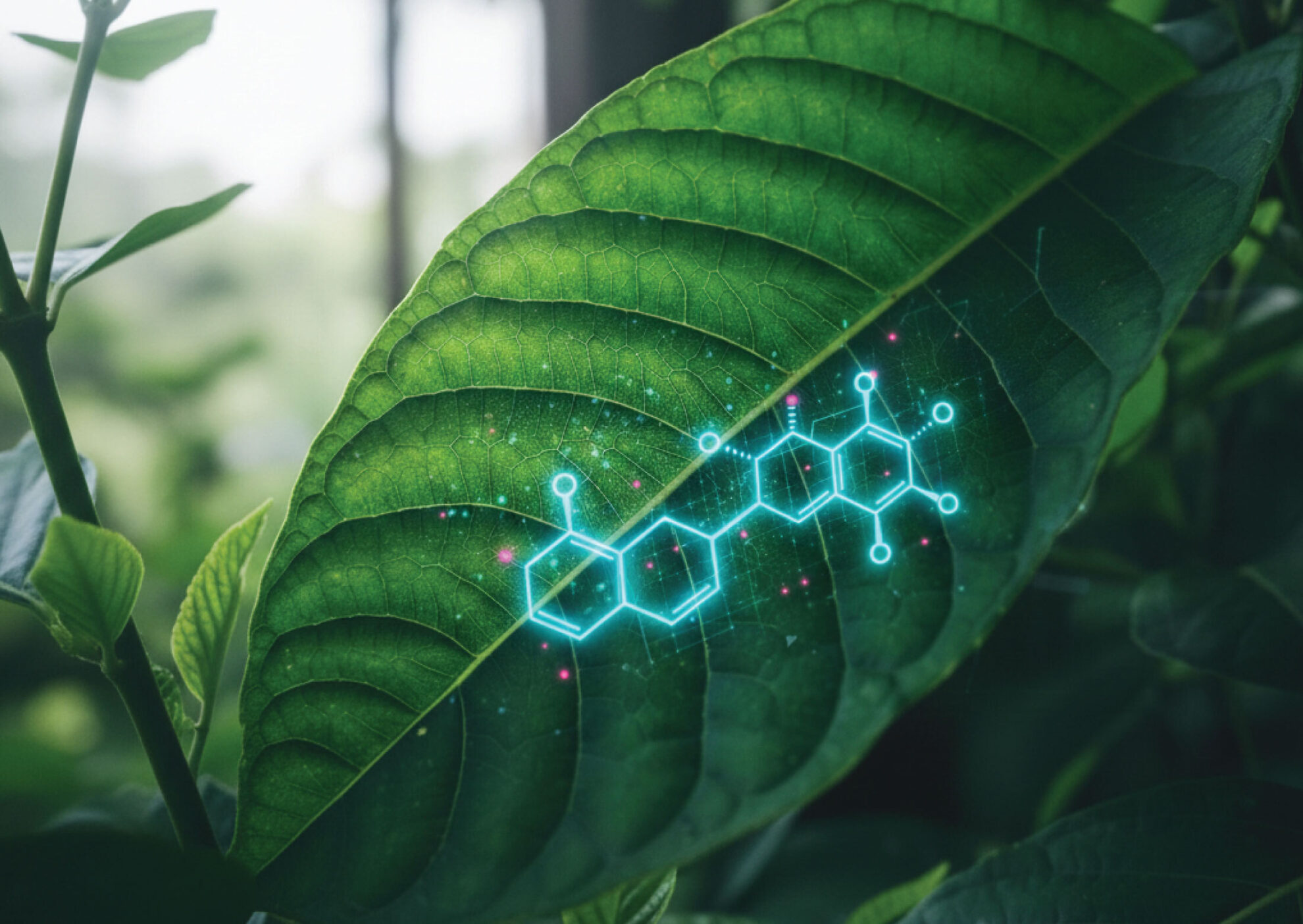
7-OH, or 7-Hydroxymitragynine, is a naturally occurring minor alkaloid present in the Kratom plant (Mitragyna speciosa). In the body, it forms when the primary alkaloid, Mitragynine, is metabolized, meaning your system naturally converts some Mitragynine into 7-OH.
It also naturally exists in Kratom leaves.
7-Hydroxymitragynine in Kratom
In many analyses, 7-Hydroxymitragynine is found in trace levels (often <0.1 %) in Kratom leaf. Mitragynine constitutes about 66%of the total alkaloid content in kratom leaves. There are dozens of other minor alkaloids, but they are of less strength or therapeutic interest than 7-OH.
Comparative Strengths of 7-Hydroxymitragynine vs Mitragynine
Despite its trace amounts, 7-OH is far more potent by weight. Some research suggests it may be up to 10 times more active at receptors than Mitragynine, but exact figures vary by study. A Japanese study on Kratom from 2004 showed 7-OH affinities 46% stronger than that of Mitragynine.
Controversial 7-OH Levels in Kratom
In the West, vendors and consumers often get tied up in a “more is better’ mindset. When we discover impressive strength, then compound it, we can exceed what nature intended. The balanced, full-spectrum of what Kratom has to offer, then, can be tarnished with unnecessary risks.
This is at the heart of the conversation comparing 7-OH to natural Kratom. The distinction is in two areas:
- Sourcing: Is the 7-Hydroxymitragynine naturally extracted from Mitragyna speciosa? Or are the compounds synthesized in a lab?
- Concentrations: Are the final concentrations of 7-OH in the Kratom product at naturally reasonable levels? With the full-spectrum and natural alkaloid ratios honored?
Commercial 7-OH or “advanced alkaloid” products often contain concentrations far exceeding what’s found in nature, warranting caution. Unlike standard Kratom powders, these lab-isolated (possibly adulterated) compounds may amplify effects and risks. Current data on human safety is sparse, and product labeling isn’t standardized.
Think of 7-OH as a derivative of Kratom. While its therapeutic potential is impressive, it may not be safe if overconcentrated or synthesized unnaturally.
For information on the safety risks associated with advanced Kratom alkaloids, see: A comprehensive Guide: Advanced Kratom Alkaloids & 7-OH.
Effects and Potency Side by Side
To better understand how 7-OH compares to Kratom, here’s a side-by-side:
| Feature | Natural Kratom | 7-Hydroxymitragynine (7-OH) |
| Potency by Weight | Moderate; effects balanced across dozens of alkaloids | High; far more potent by weight, even in trace amounts |
| Onset | Gradual; effects develop over 30–60 minutes | Rapid; effects felt quickly after ingestion |
| Duration | Steady; typically 3–6 hours | Shorter; effects often intense but short-lived |
| Effect Type | Potential: Mild energy, mood elevation, sense of ease | Stronger, sometimes overwhelming; intensity may vary |
| Tolerance Development | Gradual; moderated by full-spectrum alkaloids | Rapid; tight receptor binding may build tolerance quickly |
| Consistency | Predictable when sourced from trusted vendors | Variable; potency can fluctuate between batches or brands |
| Safety Considerations | Long history of use; relatively well-understood when pure | Sparse human data; risk of side effects and overdose if concentrated or synthetic |
When users ask, “Is 7-OH stronger than Kratom?”, the answer depends on context. As the chart shows, 7-OH acts faster and more intensely than natural Kratom, but it can wear off faster. Without standardization or clinical research, predicting potency across 7-OH products is nearly impossible. For most users, verified full-spectrum Kratom remains the safer, more consistent choice.
Natural Kratom’s full spectrum of alkaloids moderates effects, creating a more predictable experience. Typical Kratom effects may include mild energy, mood elevation, or a sense of ease. In contrast, 7-OH effects vs Kratom are reported as more intense, sometimes overwhelming, and shorter in duration. Because 7-OH binds more tightly to certain receptor types, tolerance may build quickly.
Safety, Unknowns, and Risks
Independent lab reports have found that some “advanced alkaloid” products contain 7-OH levels hundreds of times higher than those found naturally. These concentrations may alter receptor activity and overwhelm the body’s normal metabolic pathways.
High levels of 7-OH may carry unnecessary risks:
- Lack of Safety Information: While Kratom’s safety profile is still being studied, traditional use has shown relatively consistent patterns when products are pure and responsibly consumed. By contrast, 7-OH lacks long-term human data.
- Increased Risks & Side Effects: Possible side effects may include nausea, dizziness, dependency, or toxicity.
- Unknown Drug Interactions: 7-OH compounds may interact with medications, alcohol, or sedatives. Exact interactions are unknown.
- Unknown Liver Effects: Kratom is metabolized by the liver. High levels of a single compound, especially synthetic ones, may be more taxing on the liver. Largely unstudied and unknown.
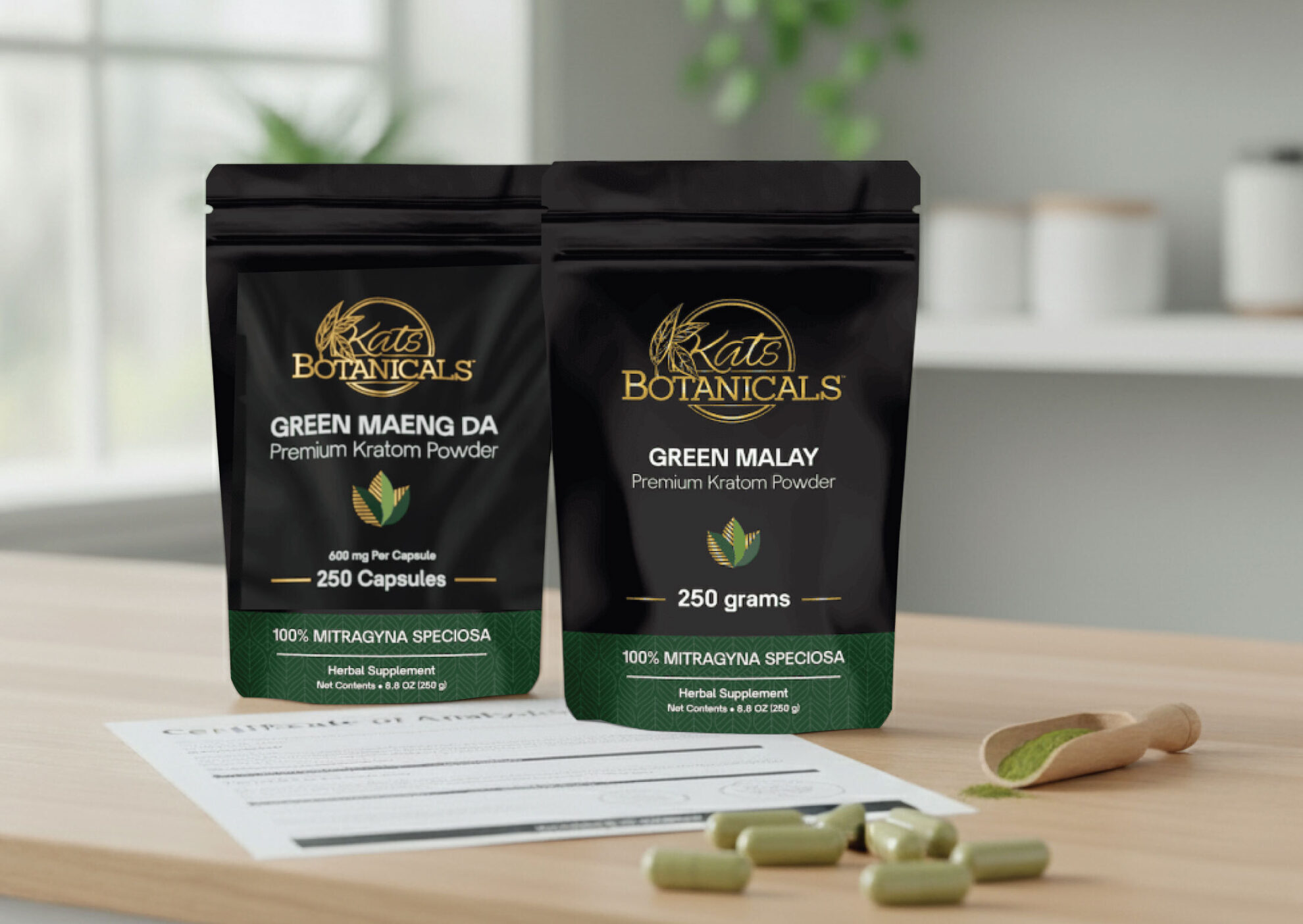
What’s safest is choosing Kratom products that honor the natural uses, offering more of the plant’s diverse compounds. Buy lab-tested, and scan the Certificate of Analysis to be sure there are no surprises. Check, also for cGMP production. This indicates a vendor is compliant with legal and regulatory best practices.
Legality and Regulatory Status
Kratom is legal in most U.S. states, though several have local bans or age restrictions. Many states operate under the Kratom Consumer Protection Act (KCPA). This legal framework ensures quality testing, labeling, and age limits.
7-OH, however, exists in a legal gray area. Because it can be synthesized or concentrated beyond natural limits, some states have decided to ban 7-OH. Always check your state’s latest Kratom laws before purchasing any extract or alkaloid-based formula.
For more information on Kratom safety and industry best practices, follow the American Kratom Association. Kats Botanicals is proud to be an AKA-approved vendor.
Experience and Anecdotes
Online discussions, particularly in Reddit Kratom communities, reveal mixed views on Kratom vs 7-OH. Some advanced users describe 7-OH as “too strong” or “short-lived”. Some users note that it lacks the rounded benefits of leaf-based Kratom.
A recurring theme is inconsistency. Two batches from different brands may feel completely different. This, along with stories of dependency, has created a sense of mistrust of 7-OH products.
Product reviews and Kratom forums are helpful. But remember that online anecdotes should always be taken as personal experience, not evidence.
What We Don’t Know: Why 7-OH Is a Wildcard
There’s still much to learn about how 7-OH’s effects on health are isolated. No large-scale clinical trials exist, and most available data comes from lab or animal studies. Researchers don’t yet know its long-term safety, ideal dose range, or how repeated exposure affects tolerance and dependence.
Another concern is product purity. Many 7-OH extracts on the market show signs of chemical modification or adulteration. These should be considered experimental rather than botanical.
Because of these unknowns, responsible brands focus on natural Kratom extracts.
 How to Make an Informed Choice
Choosing between Kratom and 7-OH products involves selecting trustworthy products from reputable vendors. Look for vendors who:
- Publish third-party lab test results showing alkaloid profiles and purity.
- Follow AKA cGMP or state-level KCPA compliance.
- Clearly list dosage instructions and sourcing details.
If you see “7-OH” or “advanced alkaloid” on a label without context, consider it a red flag. Stick to verified Kratom powders, capsules, or full-spectrum extracts that retain the plant’s natural chemistry. Always start with low servings. And consult your healthcare provider if you take medications or have existing conditions.
A cautious approach ensures your Kratom experience remains both beneficial and safe.