
Last updated November 25, 2026.
Trainwreck kratom is a blend, not a single strain. It mixes white, green, and red vein kratom powder into one product, and some vendors add yellow too. There’s no standard recipe, so the veins in the bag and the ratio between them depend on who makes it.
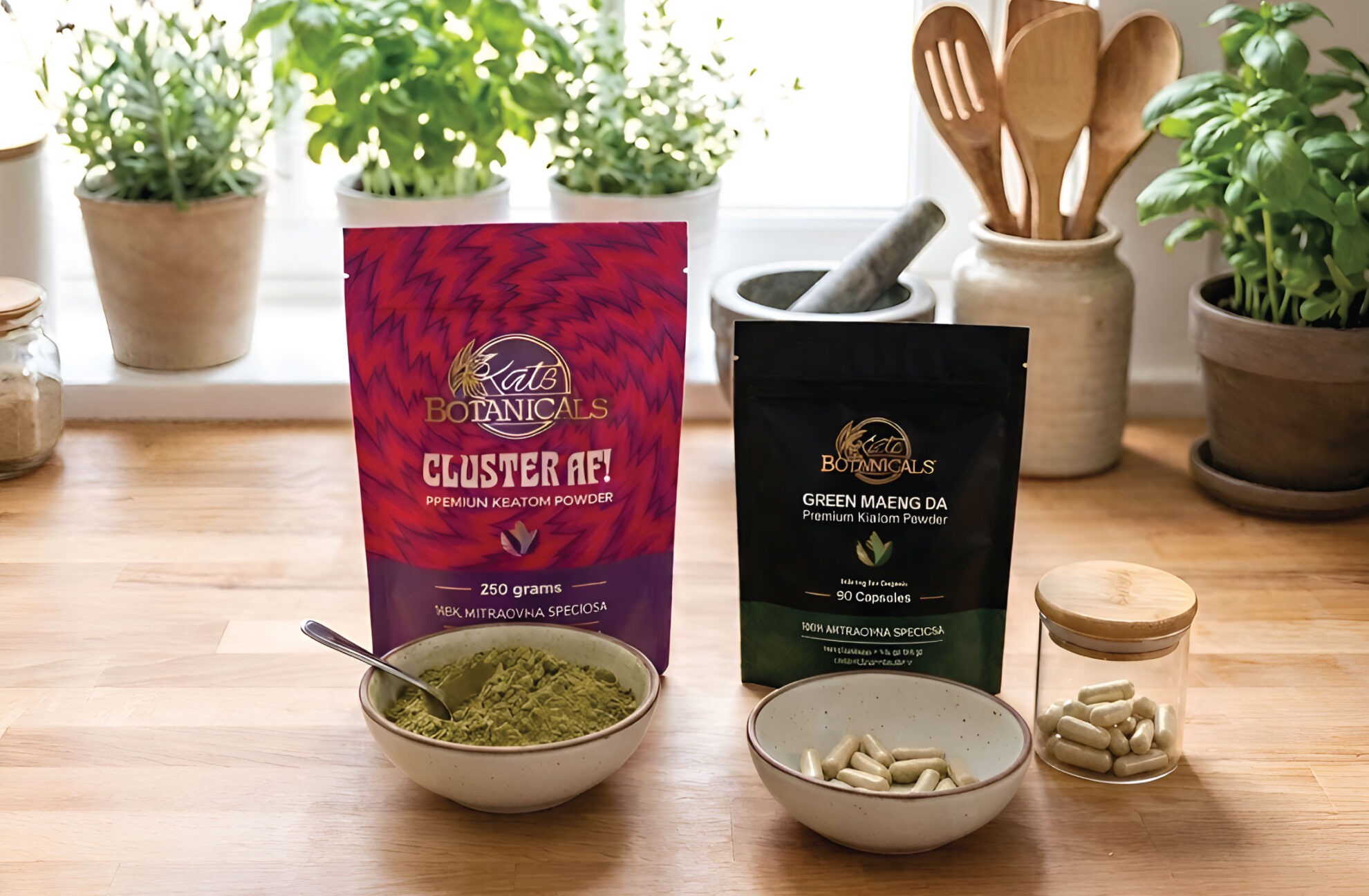
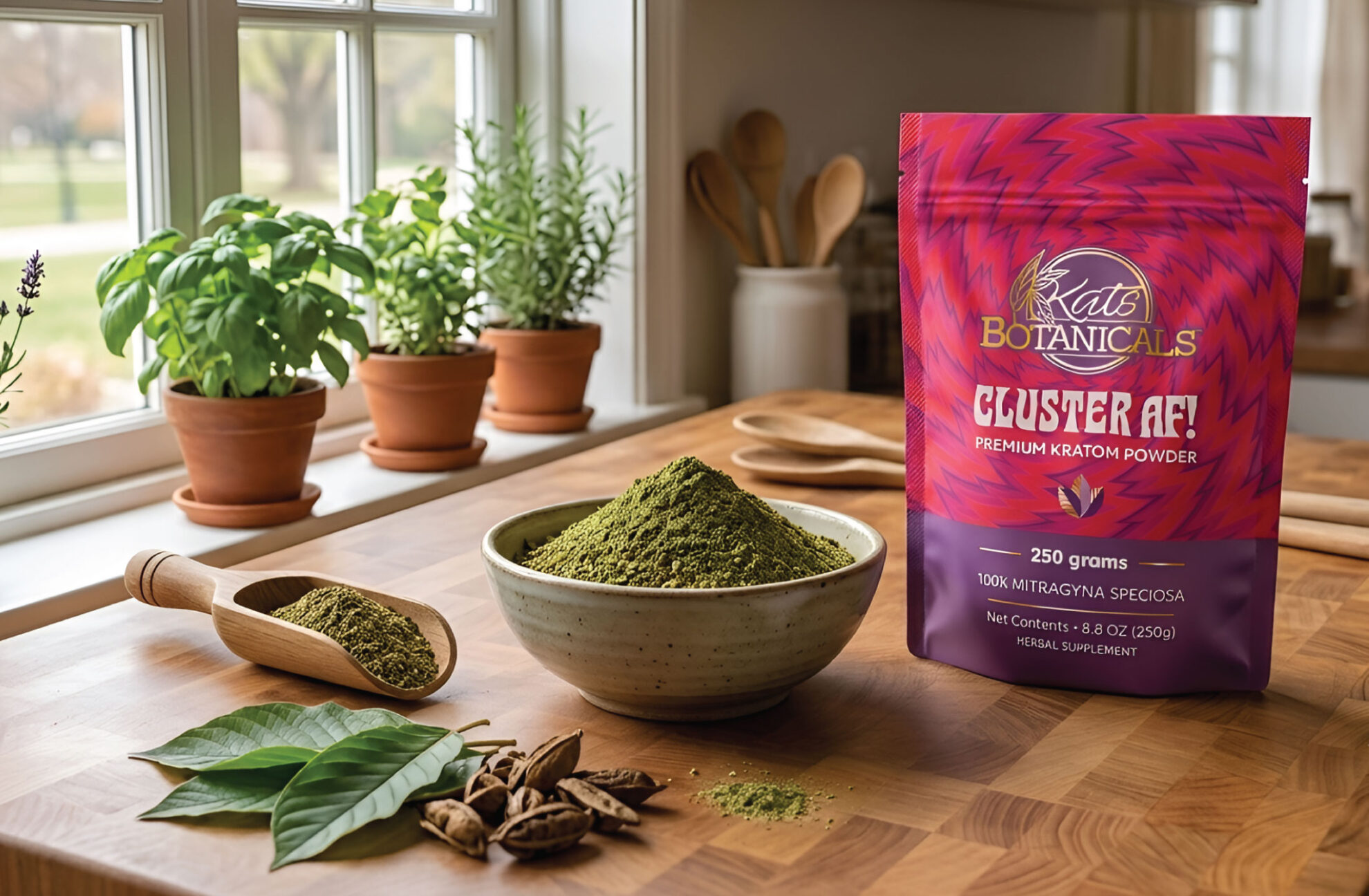
We make our own version, Cluster AF! Trainwreck Kratom Powder, so this blend comes up in our inbox a lot. This guide covers what goes into trainwreck kratom, how a blend is made and tested, what customers report, and how it compares with a single strain. We’ll also show you how to check any trainwreck batch before you buy it, ours included.
What is trainwreck kratom?
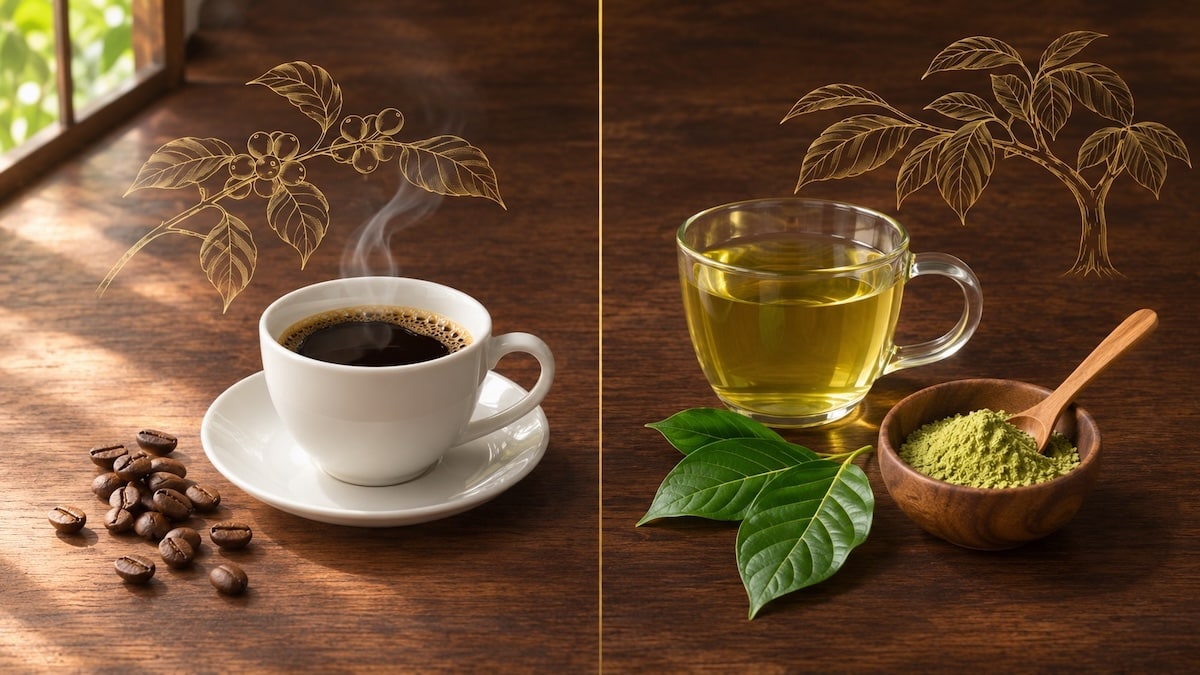
Trainwreck is a recipe name, not a plant variety. Every ingredient comes from the same plant, Mitragyna speciosa, a tree in the coffee family found in Thailand and neighboring countries. What changes from one ingredient to the next is the vein color and the growing region, and a trainwreck blend puts several of those kratom strains in one bag.
Because it’s a brand’s recipe, two companies’ trainwrecks can contain different strains in different amounts. That’s the most useful thing to know before you shop. The name on the label tells you it’s a mix. The product page and the lab report tell you what’s actually in it.
What strains go into trainwreck kratom?
Most trainwreck blends draw from the three main vein colors. Vein color describes the color of the vein running through the kratom leaf, and each color is sold and described a little differently:
- White vein: Many customers choose white vein kratom for their morning routine.
- Red vein: Red vein kratom strains are a popular evening pick among our customers.
- Green vein: Green vein kratom is viewed as “balanced” because its qualities sit between white and red.
- Yellow: Some vendors add yellow kratom to their trainwreck. Ours doesn’t include it.
The ratio matters as much as the list. A blend that’s mostly white vein and one that’s mostly red can both be called trainwreck, and few vendors say how much of each goes in. When a product page lists its ratio, you know what you’re buying before the bag arrives.
How is a kratom blend made and tested?
A blend starts as separate strains. Each strain is a finished powder on its own, and the blend is made by combining those powders in set proportions. Think of it like a coffee roaster’s house blend: the beans are roasted on their own first, then mixed to a recipe.
Testing is where blends earn or lose trust. Every batch is third-party lab tested. Our page on how we test our kratom lays out the panels: alkaloids (mitragynine and 7-hydroxymitragynine), four heavy metals (lead, arsenic, mercury, and cadmium), microbes such as salmonella and E. coli, and pesticide residues. Alkaloids are the natural compounds in the kratom leaf, and they’re the numbers a lab reports for each batch. Batches that fail are destroyed, not sold.
How to check a trainwreck batch on its COA
A certificate of analysis, or COA, is the lab report for one batch. If a vendor can’t show you the paperwork, the blend name on the bag is just a name. Here’s how to read one for a trainwreck blend:
- Find the lot number. It’s printed on the package. On Kats bags, scan the QR code or type the lot number into our certificates of analysis lookup.
- Match the product and lot. The report should name the same product and the same lot as your bag. A generic report for “trainwreck” with no lot isn’t the same thing.
- Read the alkaloid results. This is the measured mitragynine and 7-hydroxymitragynine for that batch. For a blend, it tells you what the finished mix contains, whatever the recipe says.
- Check the contaminant panels. Look for heavy metals, microbes, and pesticides, and a pass result on each.
Trainwreck kratom effects: what customers report
Trainwreck kratom effects vary with the nature of the blend and the nature of the user. Effects are reported experiences, not promises, and individual responses vary. What customers tell us tends to follow the veins in the mix, which is why the ratio is worth knowing.
That’s the idea behind a blend: one bag that draws on more than one vein, instead of switching between strains through the day. In our shop, Cluster AF! is filed under Balanced and Daytime. Serving size, how often you use kratom, and your own body all shape the experience, so your results may not match anyone else’s.
Trainwreck vs. single strains and other kratom blends
A single strain gives you one vein from one region, which makes it easy to learn and repeat. A blend trades that precision for range. Here’s how trainwreck compares with a single strain and with the other specialty kratom blends we make, which list their ratios:
| Product | Veins | Ratio | Formats | |
| Single strain, such as Red Maeng Da Kratom Powder | One | 100% one strain | Powder | Shop now |
| Cluster AF! Trainwreck Kratom Powder | White, green, red | Not published (see the batch COA) | Powder, 35 g and 250 g | Shop now |
| Digital Buddha Kratom Powder | White, green, red | 50% white, 30% green, 20% red | Powder; also sold as capsules | Shop now |
| Spacebird Kratom Powder | Green, white, red | 50% green, 30% white, 20% red | Powder; also sold as capsules | Shop now |
| Above the Waves Kratom Powder | Red, white, green | Two red strains at 35% each, 15% white, 15% green | Powder; also sold as capsules | Shop now |
If you’d like to try the veins one at a time before you pick a blend, our kratom strain chart lays them side by side. A chart points you toward a category, not a guarantee, but it’s a good map to start with.
Recommended Read: An Exploration of Different Kratom Blends and How to Use Them
How to take trainwreck kratom
Trainwreck is taken the same way as any other kratom powder. Many people stir it into juice or tea, and others measure it out and wash it down with water. Kratom powder has an earthy taste, so a strong-flavored drink helps.
Start with a small serving and see how your body responds. Our kratom dosage guide, reviewed by our founder, Justin Kats, suggests beginners start at 0.5 g and wait at least an hour before deciding on more.
Powder or capsules?
Cluster AF! comes as a powder, in 35 g and 250 g bags. Powder lets you adjust the serving yourself, while capsules come pre-measured. If you’d rather skip the measuring spoon, Digital Buddha, Spacebird, and Above the Waves also come in capsule form. You’ll find the rest of our kratom capsules in the shop.
Who trainwreck kratom suits, and who should skip it
Trainwreck tends to fit people who already know how single strains sit with them and want one bag that covers more ground. If you’re new to kratom, a single strain is easier to learn, because you can tell what each vein brings before you mix them. Once you know your whites from your reds, a blend makes a lot more sense.
Kratom isn’t for everyone. Skip it if you’re under 21, pregnant, or nursing. Talk to a physician first if you take any medication or have a medical condition, including heart disease, high blood pressure, or a liver disorder. Kratom may be habit-forming and lead to dependence, and there are no FDA-approved kratom drug products.
Kratom is also banned in several states, including Indiana, Tennessee, and Wisconsin. Check your state’s rules before you order.
Cluster AF! Our take on trainwreck
Cluster AF! is our trainwreck blend: white, green, and red vein kratom from Southeast Asia, combined into one powder. It’s whole-leaf kratom, never synthetic alkaloids. Every batch is third-party lab tested, and you can pull the results for your bag by lot number before you open it.
We’ve been supplying botanicals since 2016, and we’d rather you know exactly what’s in a blend than take a fun name on faith. Cluster AF! comes in 35 g and 250 g bags, so you can try a small bag first and see whether a blend fits your routine.