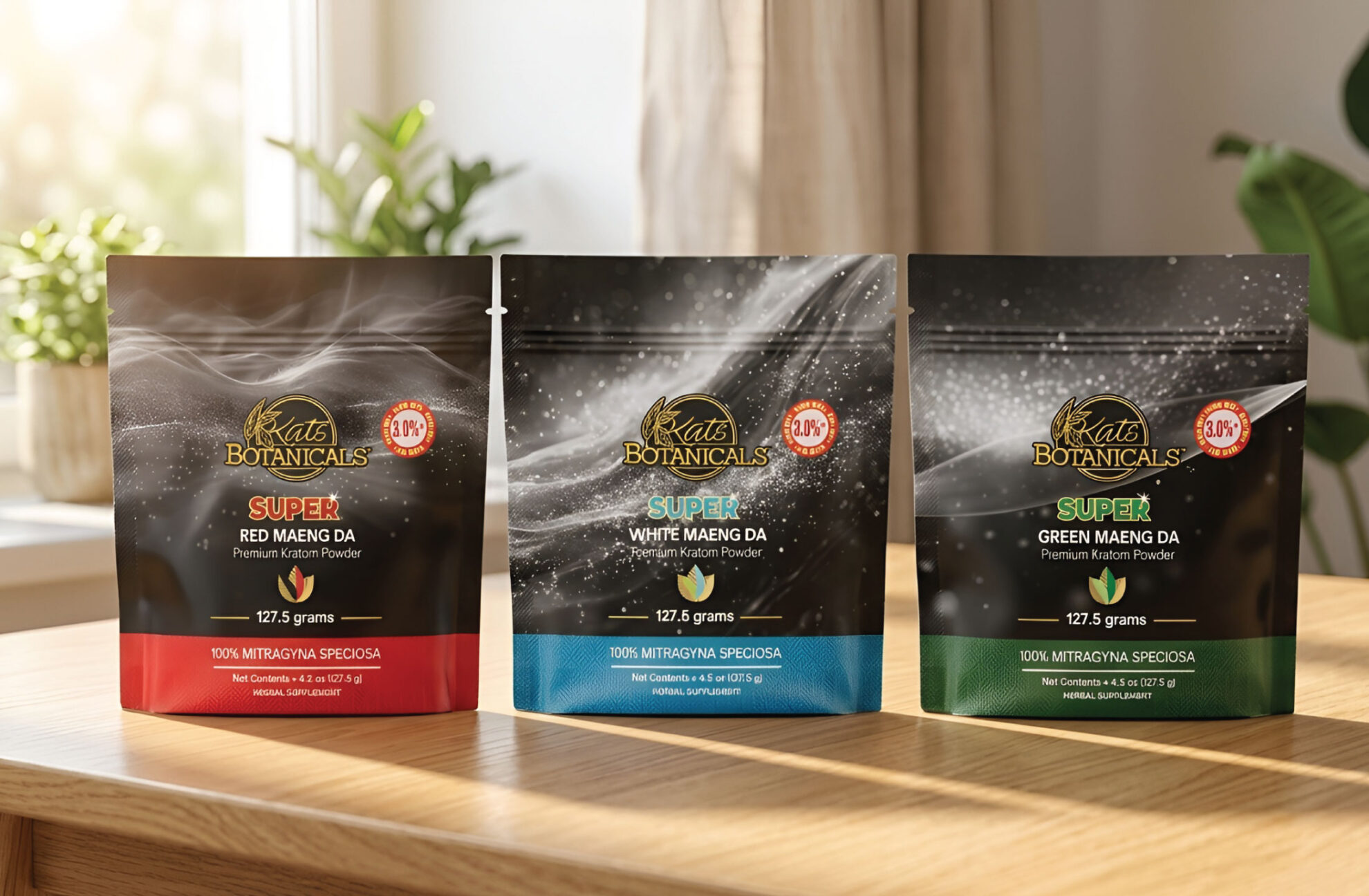

Kratom energy drinks are becoming more mainstream. Resembling traditional energy drinks, these contain Kratom compounds called alkaloids. While convenient to grab on the go, you need to understand the difference between a Kratom energy drink and a regular energy drink. Since these are largely unregulated, you can’t rely solely on catchy slogans or snazzy-looking cans or shot bottles.
Kratom energy drinks are often enjoyed as an alternative to energy shots and coffee. They often contain caffeine. Sometimes they’re blended with other botanicals like Kava, CBD, or stimulants. They’re marketed on social media as “natural energy” or “focus” drinks, often with bold claims and little explanation of what’s actually inside.
But are these drinks effective, or are they just another trend chasing the wellness buzz? The truth is, there are some really great Kratom energy drinks out there, and there are some truly terrible ones. Today, we’re explaining how to know the difference.
What Is a Kratom Energy Drink?
In essence, Kratom energy drinks are a bridge between herbal supplements and mainstream performance beverages.
A Kratom energy drink is a beverage that combines concentrated Kratom extracts with caffeine or other botanical ingredients. Like regular energy drinks, they offer a boost. If you’re familiar with Kratom, think Green or White Vein vibes.
Flavorful and energetic, these go-go-go beverages rival the traditional energy drink, but with an extra kick. Grab one at a convenience store (actually, that’s risky) or stock up at a well-respected online Kratom vendor (better). Quality is largely tied to the vendor’s care and formulation.
Types of Kratom Energy Beverages
Responsible brands will clearly label what constitutes a recommended dose, and you should not exceed these guidelines. Responsible, moderate use is key. That said, you’ll usually see three different forms of Kratom energy drinks:
- Kratom energy shots: Sold in 2–3 oz bottles similar to 5-hour energy drinks.
- Full-size Kratom cans: Often carbonated and flavored to mask the natural bitterness.
- Powder or dissolvable mixes: Pouches of stirrable, flavored, powders for water or juice mixing.
 How to Spot a Kratom Energy Drink
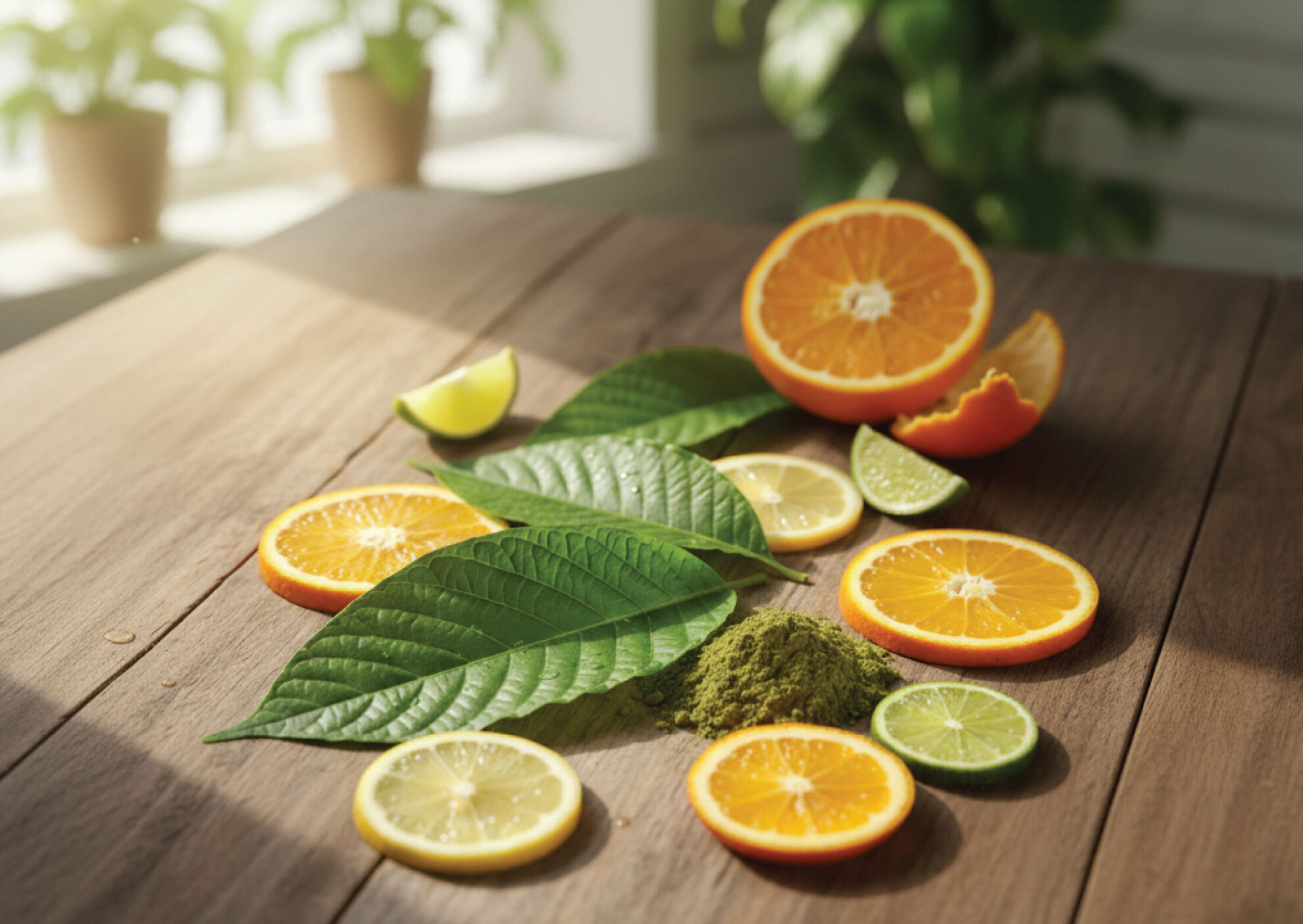
If you’re not familiar with Kratom, it comes from Mitragyna speciosa, a tropical plant native to Southeast Asia. The plant’s active compounds are called alkaloids, and are extracted to be used in the energy drink’s formula.
Kratom goes by many names. Read the product label and view the COA to determine the presence (and how much) of Kratom.
Indicators of Kratom presence:
- Mitragyna speciosa: Kratom plant name
- Mitragynine or MIT: The primary alkaloid, often linked to Kratom’s potential stimulating or mood-lifting effects.
- 7-Hydroxymitragynine or 7-OH, 7-Hydro, 7-Hydroxy: A more potent alkaloid present in smaller amounts, contributing to the overall effect.
- Kratom extract, Kratom leaf extract, or Kratom concentrate listed as an ingredient.
- Alkaloid content or mention of specific alkaloids on the Certificate of Analysis (COA) or website product page.
- Full-spectrum Kratom extract wording, which suggests inclusion of multiple natural alkaloids.
- Product origin disclosure (e.g., “Bali Kratom,” “Maeng Da extract”), indicating it’s derived from actual Kratom leaf.
Other names for Kratom less common in the U.S.:
- Biak-biak – Common name in Malaysia and parts of Indonesia.
- Ketum – Used in Malaysia for traditional Kratom preparations.
- Ithang – Thai name for Kratom leaves or tea.
- Kakuam – Another Thai term sometimes used in older product references.
- Thom – Informal Thai term for Kratom, often referring to brewed tea.
- Mambog – Used in the Philippines to describe the same plant species.
- Kratum or Crathom – Common misspellings seen on imported or low-quality packaging.
Learn more about Kratom’s active alkaloids.
Do Kratom Energy Drinks Actually Work?
Research on Kratom alkaloids indicates kratom’s alkaloids interactions with opioid and adrenergic receptors. This may explain the potential mood and energy effects reported by users. These mechanisms in the body are why Kratom energy drinks work. Caffeine also works as a natural “support” for Kratom’s effects, so pairing them makes sense.
In liquid form, these are more readily bioavailable making Kratom energy drinks fast-acting. Onset takes anywhere from 10-30 minutes depending on your sensitivity to the drink’s ingredients.
However, not every drink delivers. Some contain tons of sugars , more caffeine than necessary, or synthetic boosters for the “energy” component. Then, trace amounts of low-quality Kratom or worse, high doses of synthetic Kratom alkaloids. According to Reddit and other forums, users may experience crashes, nausea, or jitters when consuming low-quality Kratom drinks.
What Makes a Kratom Energy Drink Legit?
The proof is in the alkaloids. A Kratom energy drink works when it has natural Kratom compounds, and in reasonable amounts. Too much and the drink could be overstimulating, especially when paired with other stimulants.
Beyond the mere presence of Kratom, combining the alkaloids in full-spectrum form with other carefully selected ingredients is best. Added active compounds are often selected to form a “spin” on the drink. For example, caffeine might be common for a drink labeled “energy”, while a drink with Ginseng might be called “focus”.
What’s in These Drinks? Ingredients to Watch For
Even if a Kratom energy drink claims to be natural, not every formula is clean. Ingredient quality, ratios, and transparency matter. Look for Kratom extract, caffeine (if included), and natural flavoring agents clearly listed on the label.
Additives and Synthetics
Some products include compounds that don’t belong in a natural Kratom drink.
- Tianeptine or phenibut: Synthetic substances that mimic euphoria or stimulation and raise safety concerns.
- Excess caffeine: Blends exceeding 200 mg can cause overstimulation or dehydration.
- Artificial sweeteners or preservatives: Common in cheaper formulations and may affect taste or digestion.
Herbal Stackers and Nootropics
Many “energy” or “focus” drinks mix Kratom with other plant stimulants or cognitive enhancers. These can change how Kratom’s alkaloids feel or interact.
Common examples include:
- Caffeine
- Guarana
- Taurine
- Ginseng
- Yerba Mate
- Theobromine
- Theophylline
- B Vitamins (B6, B12)
- Green Tea Extract
- Synephrine (Bitter Orange)
Why Labeling Transparency Matters
Kratom isn’t regulated, so labeling is the consumer’s only real safeguard. Avoid products without a Certificate of Analysis (CoA) or GMP-compliant sourcing. “Gas station Kratom shots” have a track record of inconsistent potency and undisclosed additives. Choose brands that publish third-party test results and disclose alkaloid levels per serving. This is the only way to ensure you’re getting authentic Kratom, not filler.
Are Kratom Drinks Safe? Health and Legality Risks
Safety depends mostly on how the drink is made and what’s actually in it. Without regulatory oversight, some drinks may contain undisclosed ingredients, synthetic additives, or inconsistent Kratom levels.
Key points:
- Look for lab-tested products: Choose drinks that show a Certificate of Analysis (COA) with Mitragynine and total alkaloid content.
- Check the source: Reputable brands list where the Kratom leaf comes from and follow GMP manufacturing standards. (These are high standards set forth by the American Kratom Association.
- Avoid unknown additives: Synthetic stimulants, tianeptine, or vague “nootropic blends” are red flags.
- Know the law: Kratom is federally legal in the U.S., but some states ban it or restrict drinkable forms. Alabama, Arkansas, Indiana, Vermont, and Wisconsin, have banned Kratom but other areas may have restrictions. Check Kratom Legality by State before buying.
Drinks that clearly list ingredients, show how much Kratom they contain, and avoid hidden stimulants are the safest. Use them occasionally, follow recommended servings, and stick with brands that openly share testing results.
Health-wise, Kratom drinks can be risky when:
- Consumed in high doses or multiple servings in a short period.
- Mixed with caffeine-heavy pre-workouts or alcohol.
- Purchased from unverified vendors lacking lab testing.
The FDA has not approved Kratom for any medical purpose and has warned against products containing undisclosed or adulterated compounds. Some Kratom energy drinks on the market have tested positive for synthetic analogs, substances that mimic Kratom’s effects but are chemically modified. These are especially concerning because they’re unstudied and may interact dangerously with other supplements or medications.
Did you know that Kats Botanicals has a web page where you can enter your batch number and view the Certificate of Analysis? View Kratom COAs. This level of openness is commonly referred to as “product transparency” in the Kratom industry. Green flag!
Kratom Drinks vs. Capsules and Powder: What’s Better?
Which is better – a Kratom energy drink or your regular Kratom powder or capsules dose? This depends on what you want out of your experience. Kratom energy drinks can be a nice change of pace, but you shouldn’t drink them in addition to your regular dose.
Learn more about Kratom dosing and see the table below for a quick comparison.
| Format | Onset Time | Potency Control | Taste/Convenience | Best For |
| Powder | 20–30 minutes | High | Bitter taste; customizable dose | Experienced users |
| Capsules | 30–40 minutes | Very high | Tasteless, portable | Beginners, precision dosing |
| Energy Drink | 10–20 minutes | Low–Moderate | Flavored, convenient | On-the-go use, fast onset |
Drinks win for speed and simplicity, but they sacrifice control and transparency. Powder or capsule users can weigh and log exact doses, making consistency easier. Drinks, on the other hand, rely entirely on manufacturer honesty, which can vary.
 How to Choose a Safe Kratom Energy Drink
You’ll want to vet a Kratom energy drink and its maker as you would any other Kratom product. Since these kinds of drinks are often swathed in a bunch of hype, here’s a quick checklist to run them through.
When you’re in the store, snap a picture of that new drink you want to try (before buying) and make sure it’s a safe option for your routine.
- Check for lab testing – Look for a Certificate of Analysis (COA) from an independent lab showing Mitragynine and total alkaloid content. If you can’t find this, skip that brand of drink.
- Review ingredient transparency – Fewer, recognizable ingredients are better. Avoid vague “proprietary blends” or synthetic stimulants. Avoid substances like tianeptine or “research-grade” nootropics.
- Confirm sourcing – Traceable Kratom from reputable Southeast Asian farms is a strong indicator of quality.
- Evaluate dosage info – Clear serving sizes and moderate caffeine levels suggest a brand takes safety seriously.
- Clear dosing instructions – Avoid products with unclear dosing instructions or “one-shot energy boost” claims.
- Verify compliance – Check for GMP certification or adherence to cGMP industry safety standards like those set by the AKA.
- Trust your instincts – Over-the-top marketing or gas station branding often signals shortcuts in quality or safety.
Instead of looking for the strongest Kratom energy drink, look for the cleanest. Kats Botanicals stresses clean ingredients and responsible use: Start low, go slow!