
This question comes up constantly, and it makes sense why. Kava is used in social settings, consumed in the evenings, and positioned as an alcohol alternative. So naturally, people want to know if they’re signing up for the same experience in different packaging.
They’re not. Kava doesn’t get you drunk. But that simple answer doesn’t capture the full picture, so let’s break down what Kava actually does and how it differs from alcohol.
What People Actually Mean by “Drunk”
When someone asks if Kava gets you drunk, they’re rarely asking whether it relaxes you. They’re asking whether it impairs judgment, blurs thinking, or leads to behavior they wouldn’t normally choose. They want to know if Kava changes who they are in the moment.
Those are defining characteristics of alcohol. It’s not just relaxation; it’s escalation and impairment. Alcohol lowers inhibitions and dulls judgment. This is why you may do things while impaired on alcohol that you later regret. Worse, alcohol can also impair memory formation ,so you may not remember what you do if you’ve had a lot to drink. That loss of control is central to how alcohol works. Kava doesn’t follow that pattern at all.
 How Kava Actually Feels
Kava is best understood as calming rather than intoxicating. The experience centers on easing tension without disconnecting the mind from what’s happening around you. This distinction matters because it’s the core difference between Kava and alcohol. Understanding these differences helps when you want calmer social ease without losing control.
Body First
With Kava, most people notice physical changes before mental ones. Muscles may loosen, shoulders may relax, and there’s a sense of settling into your body. The nervous system may feel less reactive. Meanwhile, thoughts typically stay clear. You’re not foggy or confused; you’re just more relaxed.
Mentally Present
This is the key difference from alcohol. Kava doesn’t replace awareness with haze. Instead, it often allows people to remain present while feeling less tense or guarded. Conversations may flow more easily, but you remain aware of what you’re saying and how you’re acting. With moderate use, that mental presence stays intact.
Light Connectedness
With kava, many notice a lighter, pleasant sense of connectedness to others and surroundings. This differs from alcohol, which can sometimes leave people feeling sad or heavy. You stay present without that emotional weight.
No Escalation
With alcohol, each drink increases impairment. There’s momentum that builds, and more consumption leads to more significant effects. Kava doesn’t follow that pattern. The experience tends to stabilize rather than intensify. Additional Kava doesn’t necessarily create stronger effects.
Learn about the active compounds in Kava that affect your experience.
Kava vs Alcohol: The Real Differences
Though they share social contexts, Kava and alcohol affect the body and mind in fundamentally different ways. The more you look at how each one actually works, the clearer it becomes that they’re not really in the same category.
Take a look at this quick Kava vs alcohol comparison, and then we’ll take a deeper look.
| Aspect | Kava | Alcohol |
| Judgment | Remains clear and present | Progressively impaired |
| Coordination | Typically maintained | Declines with consumption |
| Next Day Effects | Normal, no hangover | Headache, nausea, fatigue |
| Social Behavior | Calm, self-aware conversations | Louder, impulsive, regretful |
| Escalation | Stabilizes with natural ceiling | Builds stronger with more intake |
Control and Coordination
Alcohol progressively impairs coordination and reaction time, making driving dangerous. With Kava, most people report staying physically coordinated and mentally aware. Decision-making typically feels intact. You don’t experience the progressive loss of motor control that comes with alcohol.
Behavior Patterns
Alcohol often pushes social situations toward louder behavior and increased consumption. There’s momentum that can be hard to control. Kava doesn’t create that push. The experience levels off, making it easier to stay within personal limits without conscious effort or willpower.
Next Day Effects
Alcohol commonly produces hangovers. Kava typically doesn’t. Most people feel normal the next morning without the headache, nausea, or fatigue that follows drinking. That difference matters for people who want to relax in the evening without paying for it the next day.
No Sleep Hangover
Alcohol can also disrupt sleep quality, leading to next-day grogginess. Kava typically supports restful sleep without that impairment. You wake refreshed rather than foggy.
Can Kava Feel Like a Buzz?
Kava and alcohol overlap in real ways. Both can taste unpleasant (earthy/bitter vs harsh). Both get consumed socially for evening unwinding. Common side effects like dry mouth or digestive upset can occur with overuse. These similarities create the comparison, but the core experience diverges sharply.
Some people describe Kava as creating a mild buzz, which can be misleading without context. The word “buzz” means different things to different people, setting up unrealistic expectations.
Physical, Not Mental
The sensation people call a buzz is usually physical: warmth, looseness, a gentle shift in body awareness. It’s noticeable but doesn’t progress into mental impairment. You feel something happening in your body, but it isn’t generally overpowering.
Different from Alcohol Buzz
An alcohol buzz often marks the beginning of impairment. Typically, it can lead to more significant effects with continued drinking. With Kava, the sensation tends to stay controlled and doesn’t progress into loss of awareness. The trajectory is completely different even if the initial sensation might seem comparable.
Does Kava Impair Judgment?
This is one of the most common concerns. For those accustomed to alcohol-centered relaxation, they may feel impairment is just part of the package. With Kava, it does not have to be. This matters for how you might incorporate Kava into your life.
In practice, most people don’t experience impairment from Kava when used responsibly. Awareness of surroundings and actions typically remains unchanged. Relaxation is present, but control isn’t lost. You can still drive, have serious conversations, and make decisions that you won’t regret later.
That said, individual sensitivity varies. Pay attention to how your body responds. Start with smaller amounts. Avoid activities requiring sharp reflexes until you understand your personal experience.
Trying Kava for the first time at a Kava bar? Uber or ride with friends. This gives you freedom to explore Kava fully without worry about getting home safely.
Why People Choose Kava Over Alcohol
Kava is often chosen not because people want intoxication, but because they want the opposite. They want the social ease and relaxation without the downsides that come with alcohol. Understanding these motivations helps clarify what Kava actually offers.
Social Without Impairment
Kava allows people to unwind without feeling altered or disconnected. Conversations flow, tension eases, and your inner social butterfly gets to stretch their wings. That’s appealing for calm gatherings where you want to feel relaxed but stay fully present and in control.
Island Bula Vibes
Kava and alcohol are two often opposing vibes. Kava brings the warm, traditional Pacific island “Bula” spirit. It offers a light connectedness to nature, people, and the moment. Many Kava fans enjoy this natural and cultural spin on relaxation ritual.
Fits Balance-Oriented Routines
Kava works well in routines centered on moderation rather than excess. It supports winding down without the risks that come with overconsumption. With so many different types of Kava, the flexibility allows for a wider application of uses in your routine.
To Avoid Alcohol Addiction Risks
Alcohol carries known addiction potential. Historically, Kava is less associated with addiction risks. Most users enjoy it moderately without the cravings seen with alcohol. For some people, any substance can become habit-forming. But for Kava, physical dependence is far less common.
Learn more: Is Kava Addictive?
Who Kava Might Not Be Right For
Like other botanicals, Kava is best used when it’s right for your situation and health profile. For example, your doctor may say that you cannot use Kava with a medication you take. Of course, it’s important to discuss any botanical or supplement use with your doctor.
Alternatively, you may expect Kava to get you drunk and make you forget everything for a night…which isn’t realistic for this botanical. So, let’s be honest about Kava’s limitations.
Kava May Feel Underwhelming If You Want:
- Intoxication or dramatic effects
- A sharp, immediate change
- Something that builds with each serving
Kava is designed for subtle calm. If that sounds boring or insufficient, it might not be what you’re looking for. People expecting an alcohol-like experience often find Kava disappointing. It doesn’t deliver that kind of intensity. Before you use Kava, discuss it with your doctor.
Variables That Affect Experience
Preparation method, product quality, and individual chemistry all play a role. Quality Kava from reputable sources tends to produce more consistent results. Poorly sourced Kava or weak products can lead people to conclude Kava doesn’t work when really they just had a bad product.
Lighter Kava Experiences vs Stronger
| Experience Type | Forms | Intensity | Best For |
| Lighter | Capsules, low Kava content supplements, micro servings of extracts Note: Poorly-made Kava products contain fillers which weaken experience. | Mild, consistent relaxation | Daily routines, beginners, workdays |
| Stronger | Traditional Kava root preparations (teas), strong extracts, ready-to-drink Kava shots | More pronounced body/mind effects | Evening unwind, social settings, experienced users |
Not sure what Kava extracts are? See our Guide to Kava Extracts.
 Choosing Kava Responsibly
What type of Kava you consume matters for a positive Kava experience. Buying high-quality Kava is first and foremost. Lab-tested Kava ensures the product is clean and effective.
Quality Matters
Kats Botanicals is one of the most trusted producers of USA-tested noble Kavas, known for their quality and consistency. We emphasize transparency, purity, and education on safe, enjoyable Kava use. Every batch is third-party tested for purity and potency so you know what you’re getting.
Environment Matters
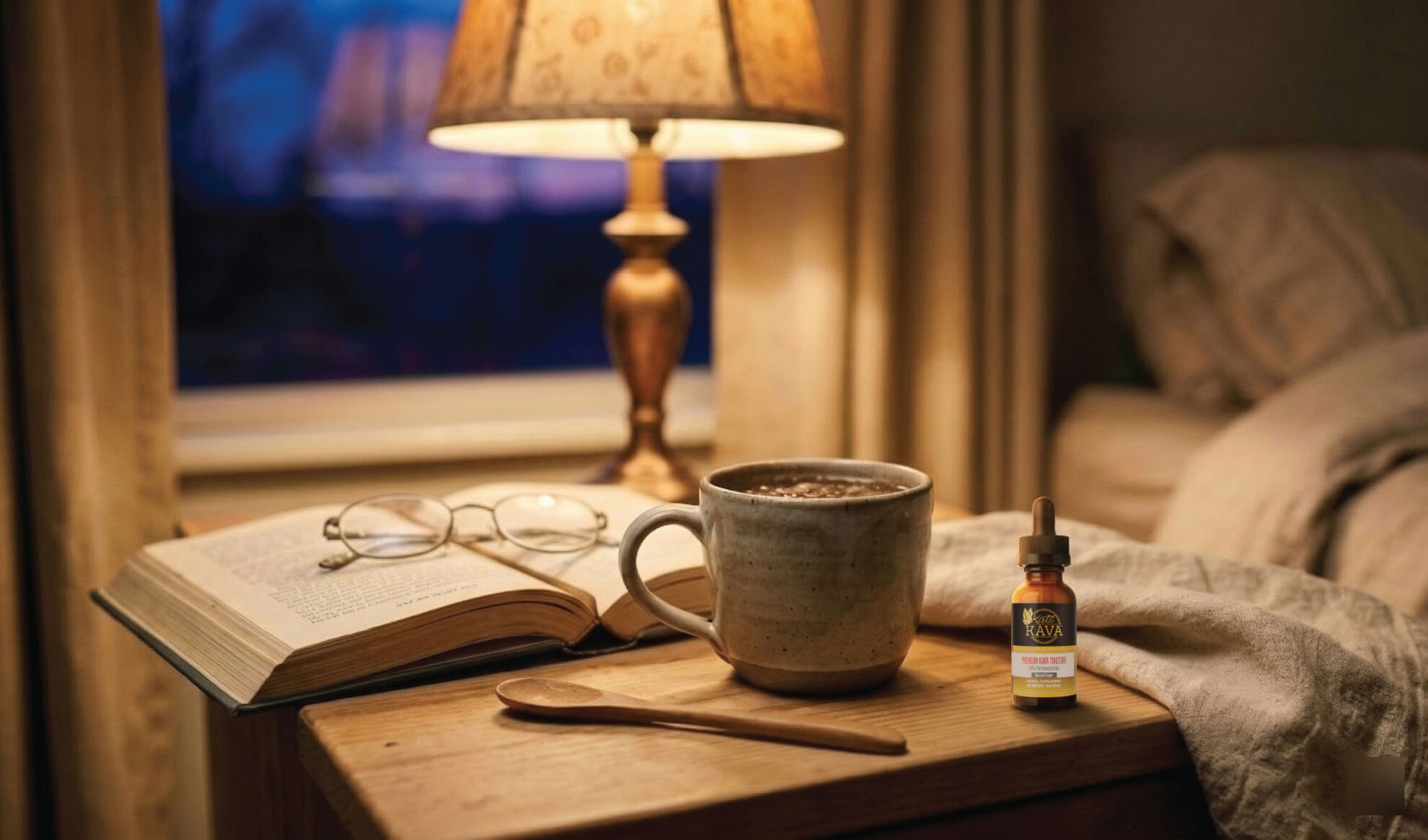
Calm settings support calm outcomes. Using Kava in chaotic or stressful environments may not produce the relaxation you’re seeking. The botanical can only do so much; your environment does the rest. We recommend good company and getting comfy!