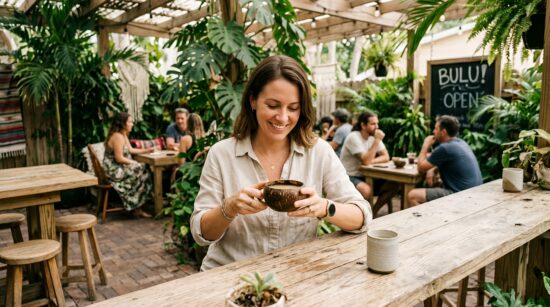
Kava is legal in Florida. You can buy it, drink it at a Kava bar, order the powder online, and even open a business that serves it, all without running afoul of state or federal law. It sits in a different legal category from alcohol and from kratom, the two things people confuse it with most, and that difference matters the moment you start asking practical questions about age limits or what you’re actually paying for at the counter.
The short answer is settled. The details are where most pages quit early, so this 2026 update walks the whole picture with sources you can check yourself instead of taking any page’s word for it.
Quick Answer: Kava is legal to buy, sell, and drink in Florida. It’s not scheduled as a controlled substance federally or by the state, and it’s regulated as a dietary supplement rather than as alcohol. Because it’s unregulated at the point of sale, Florida sets no statewide purchase age and no purity standard, so verifying quality falls on the buyer.
Is Kava Legal in Florida Right Now?
Yes. Kava is legal to buy and drink throughout Florida, and it’s not a controlled substance at either the state or federal level. The U.S. Drug Enforcement Administration’s schedules of controlled substances don’t list kava or its active kavalactones, and the U.S. Food and Drug Administration treats kava as a dietary supplement, not a scheduled drug. Nothing in Florida statute reclassifies it, which is why kava bars operate openly across the state.
Here’s the part that trips people up. That legal status has held for years, but “legal” is doing lighter work than most readers assume. Kava is permitted precisely because no agency has written rules around it, not because it passed some review and got a stamp. The absence of a ban and the presence of a safety framework are two different things, and kava has the first without the second.
What ‘Legal Because Unregulated’ Actually Means for a Buyer
Legal and regulated aren’t the same thing, and kava lands in the gap between them. Compare it to alcohol for a second. Alcohol is legal and tightly controlled: a licensed seller, a hard 21 minimum enforced with ID, a labeled proof, and a state agency that can pull a license. Kava carries none of that scaffolding.
In practice that means Florida imposes no statewide age minimum to purchase it, no enforced potency or purity standard, and no dedicated license class for a shop that serves it. Two cups poured at two different bars can differ in strength, and no state inspector is checking. That isn’t a loophole so much as a plain fact about an unregulated product, and it puts the burden of judgment on you rather than on a regulator. The freedom cuts both ways: easy to access, and entirely up to you to vet.
Why Kava Bars Have Spread Across the State Without a Special License
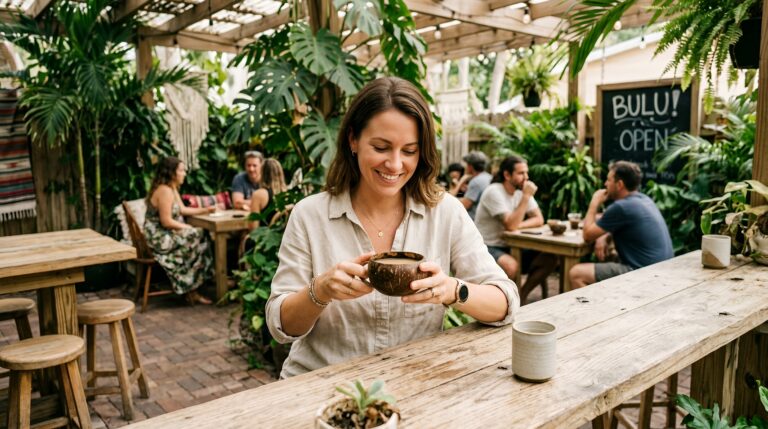
Florida runs one of the densest kava bar scenes in the country, and the reason is partly legal and partly cultural. Because no special license class exists, opening a kava bar clears far fewer regulatory hurdles than opening an establishment that pours liquor, so the barrier to entry is low. The state’s first kava bars appeared around the turn of the millennium, and the model caught on with people who wanted a social, sit-down drink without alcohol.
That’s most of the answer to why kava is so popular in Florida specifically. The drink, brewed from the ground root of the Piper methysticum plant, may promote a relaxed, sociable, mellow feeling that many describe as the appeal of a bar without the hangover. The climate and the college towns, along with a wellness-minded crowd, did the rest. Kava bars became a place to wind down in the evening or meet friends over something that isn’t a beer.

Kava and Kratom Are Not the Same Legal Conversation
Kava and kratom are two different plants with two different legal situations in Florida, even though they share shelf space and get bundled together in nearly every news story. Kava comes from the root of a Pacific Islands pepper plant. Kratom comes from Mitragyna speciosa, a tree native to Southeast Asia. Both are legal to buy statewide in Florida right now, but they move through the legislature on separate tracks, and treating them as one legal question is how readers end up misinformed.
Why the Two Plants Get Lumped Together in Florida
The confusion is mostly a retail accident. Most Florida kava bars serve both kava and kratom from the same counter, often to the same customers on the same night, so people reasonably assume the two are governed by the same rules. Add that both are botanicals sold outside the pharmaceutical system, and coverage that mentions one tends to name the other in the same breath. Kratom vs Kava is a real comparison worth understanding, but it’s a comparison of two distinct plants, not two labels for one thing, and their legal footing in Florida reflects that.
How a Pending Kratom-Mixture Bill Could Still Affect Kava Drinkers
Florida lawmakers have been weighing tighter rules on kratom, and some proposals have addressed how kratom is blended with other substances, kava included. This is where the two plants briefly rejoin. A bill aimed at kratom mixtures could, depending on its final wording, touch products that combine kratom with kava even though kava on its own isn’t the target.
Because that legislation is still moving and its language can change between drafts, pinning down specific bill numbers or effective dates in a dated article is a fast way to publish something wrong. For the current status, the Florida Senate’s official bill-tracking site is the primary source to check, and the American Kratom Association tracks state-level developments as they happen. The safe read for a kava drinker in 2026: kava by itself remains legal and unaffected, while kratom-kava blends are the category to keep an eye on as any bill firms up.
What Florida’s Kava Rules Mean for You in Practice
The legal status answers the yes/no question. These are the follow-ups you actually have when you’re standing at a bar or deciding whether you’re okay to drive. Because Florida hasn’t built rules around kava, the answers lean less on statute and more on the establishment’s own policies and on general laws that apply to any substance.
Is There an Age Limit to Buy or Drink Kava in Florida?
Florida sets no statewide minimum age to buy or drink kava, since the state hasn’t written age rules for it the way it has for alcohol and tobacco. In practice, many kava bars set their own policy and card at the door, commonly at 18, because it protects the business and reflects that kava is a psychoactive drink even if a mild one. So the honest answer is that the state doesn’t stop a younger buyer, but the shop very well might. If age policy matters to you, call ahead rather than assume.
Can Drinking Kava Lead to a DUI in Florida?
Yes, it can. Florida’s impaired-driving law isn’t limited to alcohol; it covers driving while your normal faculties are impaired by any substance, and an officer’s assessment of impairment drives the stop. Kava may cause drowsiness and slowed reflexes in some people, so getting behind the wheel after several cups is a genuine risk regardless of the fact that kava is legal. Legality isn’t permission to drive impaired. For the actual legal text, the Florida Highway Safety and Motor Vehicles site publishes the state’s DUI statute, and anyone unsure about their own limits is better off not driving.
Buying Kava in Florida: What to Check Before You Order or Order Online
Since Florida enforces no purity or labeling standard for kava, quality control lands on you, the buyer. This is the practical piece nearly every ranking page skips, and it’s the part that actually protects your money and your experience. The check differs a little depending on whether you’re ordering a shell at a bar or buying kava powder to brew at home.
What to Look For at a Kava Bar
Ask what kind of kava is in the cup. The word you want to hear is noble kava, the traditional cultivars grown for daily drinking, and a good bar will happily tell you the type and where the root was sourced, whether Vanuatu, Fiji, Tonga, or elsewhere in the Pacific. A bartender who can answer those questions is a decent proxy for a bar that cares about what it serves. Vague answers are a signal to order conservatively, especially on your first visit, so you can gauge how a given preparation affects you before committing to a second round.
What to Look For When Buying Kava Online
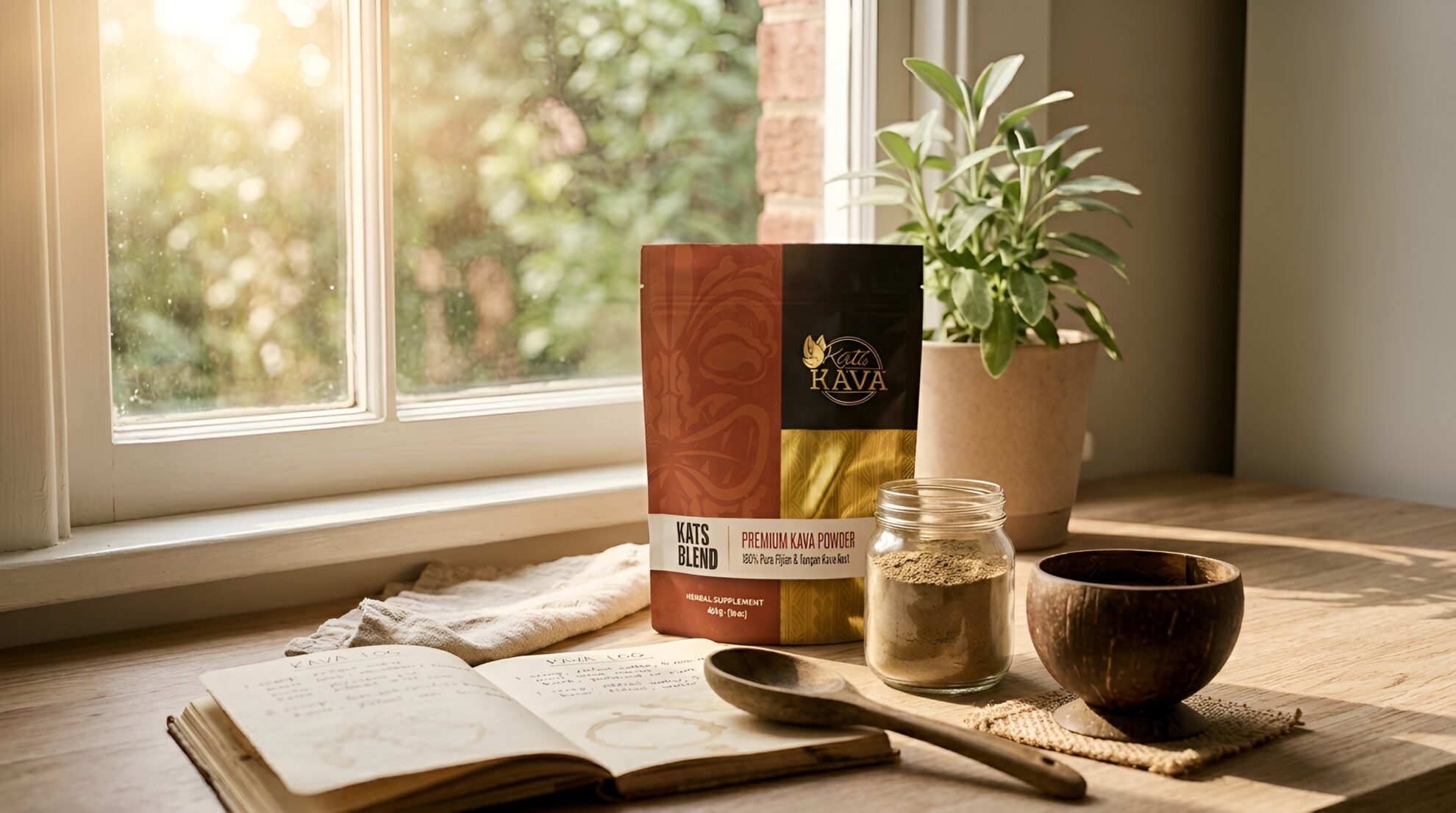
Online, the single most useful thing to look for is third-party lab testing, published and available rather than merely promised. A reputable seller states where the kava was grown and backs it with test results from an independent lab. Sourcing transparency and current, accessible testing are what stand in for the regulation Florida doesn’t provide. If a listing won’t tell you the origin or won’t show a lab report, treat that silence as the answer and buy elsewhere.
Kava From Kats Botanicals
We source our kava from Vanuatu, one of the Pacific regions most associated with quality noble root, and every batch goes through third-party lab testing before it reaches you. Our kava comes as powder and capsules, so you can brew a traditional shell or take a more convenient format that fits an evening wind-down. For anyone buying online in Florida, that combination, transparent sourcing plus published testing, is exactly the standard the earlier section describes, and it’s the standard worth holding any kava to given the state enforces none of its own.