

Table of Contents
Shilajit Studies: What Modern Research Reveals About This Ancient Remedy
For centuries, Shilajit has been revered in Ayurvedic medicine. Called a “destroyer of weakness” and a rejuvenating tonic, the substance is drawn from the high-altitude rocks of the Himalayas. Despite centuries of Ayurvedic use, modern users want to know about Shilajit studies. What does the science say?
Shilajit is a dark, resinous mineral complex. Scientists are studying the unique concentration of compounds. These include Fulvic Acid, trace minerals, and bioactive compounds. Researchers want to know how it may support vitality, energy metabolism, and cellular protection. There are a growing number of studies aiming to bridge the gap between tradition and evidence.
Today, we’re outlining the latest Shilajit clinical studies, human trials, and scientific findings. These can shed light on how this ancient, natural resin interacts with the body. Purity and sourcing, you’ll see, are also key to supporting your health.
What Is Shilajit and Why Is It Being Studied?
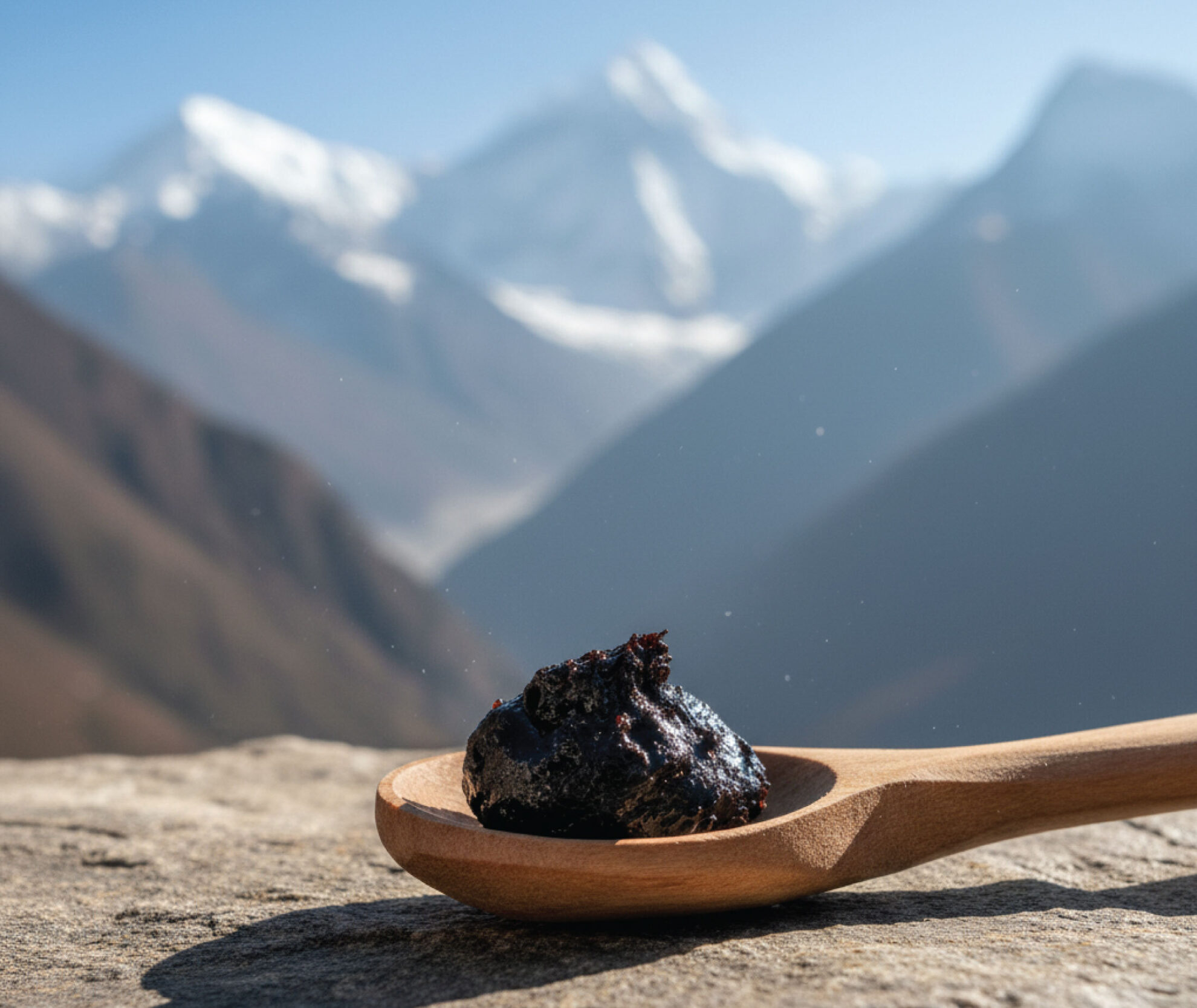
Shilajit looks a bit like a sticky, black, or brown tar-like substance. It is a natural mineral exudate that seeps from layers of rock in mountain regions like the Himalayas and the Altai.
It forms over centuries as organic plant material and microbes decompose under geological pressure. This produces a dense resin rich in Fulvic Acid and humic substances, and more than 80 trace minerals. These compounds are believed to offer health benefits. Among them, nutrient absorption, support for mitochondrial function, and antioxidant action.
Shilajit research focuses largely on the Fulvic Acid. This key component acts as a natural chelator, binding to minerals and improving their cellular uptake. This mechanism has inspired studies into Shilajit’s potential roles in several fields:
- Energy production and mitochondrial support
- Testosterone and reproductive health
- Cognitive performance and neuroprotection
- Adaptogenic resilience and stress response
- Anti-aging and cellular protection
- Muscle recovery and exercise adaptation
- Immune system support
- Antioxidant activity and oxidative stress mitigation
- To verify Ayurvedic historical use as a rasayana for vitality in high-altitude populations
Now, modern labs are testing those same properties using controlled models and clinical trials. Some studies are demonstrating the substance holds up to its ancient reputation.
Learn about the 85+ minerals in Shilajit.
 Overview of Clinical Studies on Shilajit
Shilajit studies have come a long way over the years. From small animal studies to larger ones on human male fertility, here’s a timeline of notable ones:
Shilajit Clinical Studies Timeline
| Study | Population | Finding & Conclusion |
| Clinical evaluation of purified Shilajit on testosterone levels (2016, India) | 45–55 yr males | Total and free testosterone increased after 90 days; promising for male vitality |
| Effects of Shilajit on cognitive function (2013, Italy, preclinical) | Animal / in vitro | Reduced tau protein aggregation; neuroprotective potential |
| Shilajit supplementation and mitochondrial function (2012, India, animal) | Rats | Improved mitochondrial activity; suggests energy benefits |
| Shilajit supplementation on muscle recovery and training adaptation (2019, USA, human) | Healthy adults undergoing training | Enhanced adaptation to training stress; may aid endurance performance |
| Cardioprotective effects of Shilajit in animal models (2014, India) | Rats | Reduced cardiac lesions under hypoxic stress; possible cardioprotective effect |
| Shilajit and cognitive/anti-aging effects (2022, Mixed, human/review) | Adults | Improved mental clarity and antioxidant effects; potential longevity support |
| Shilajit on testosterone & fertility (2023, India) | Healthy adult males | Increased sperm count and testosterone vs placebo; supports reproductive health |
These findings highlight that while early evidence is promising, more large-scale, peer-reviewed human trials are needed. Nonetheless, Shilajit’s biochemical complexity continues to intrigue researchers worldwide.
To view the medical studies on Shilajit in the above table, visit the following links:
- Clinical evaluation of purified Shilajit on testosterone levels in healthy volunteers (2016)
- Shilajit: A natural phytocomplex with potential procognitive activity (2012)
- Shilajit improves mitochondrial function and reduces fatigue (2012)
- Effect of Shilajit on adaptation to physical training in humans (2016)
- Cardioprotective effect of Shilajit under hypoxic stress in animal models (2014)
- Clinical evaluation of Shilajit on cognitive function and antioxidant status in adults (2022)
- Shilajit supplementation and male fertility: Human clinical study (2023)
Key Scientific Studies on Shilajit’s Benefits
Below are summaries of key clinical trials and studies on Shilajit and its components.
Shilajit and Testosterone Support
The first study on our chart and citation list above is one of the most citedShilajit clinical studies. (Published (2016 in Andrologia). This study involved 75 healthy men aged 45–55. Though a small assay, the study is very promising in terms of male reproductive health and vitality.
Dose amount: 250 mg
Dose frequency: Twice daily
Duration: 90 days
Compared to placebo: Total and free testosterone increased
Researchers attribute these outcomes to Shilajit’s Fulvic Acid and dibenzo-α-pyrones. These compounds may support energy production in the testes and promote hormone synthesis. The results are promising, but more long-term, placebo-controlled human trials are needed.
Scientists are also looking to prove support for sperm mobility, hormone balance, and endocrine safety.
Shilajit and Brain Health
A 2012 study from our timeline (International Journal of Alzheimer’s Disease) tested Shilajit’s Fulvic Acid. It reduced tau protein aggregation, a key factor in Alzheimer’s disease. This suggests potential neuroprotective effects.
A 2022 review from our timeline found that Fulvic Acid’s antioxidant and metal-binding activity may boost energy in brain cells. This could help cognitive endurance and points to potential anti-aging benefits.
Shilajit for Energy and Fatigue Reduction
Mitochondrial support is one of the best-documented areas of Shilajit benefits science.
A 2012 study from our timeline (Journal of Ethnopharmacology) tested Shilajit in rats. It improved mitochondrial function and energy production.
Later reviews (2020–2023) applied these findings to humans. They found higher ATP output and lower oxidative stress in people taking purified Shilajit.
Researchers think Fulvic Acid helps by supporting electron transport and nutrient absorption.
Shilajit and Iron Deficiency or Anemia
Animal studies dating back to 2010 offer interesting promise for iron absorption, a key metric of human health. Shilajit human trials revved up in 2022 to discover its effects on anemia.
It’s thought that Shilajit’s trace minerals and Fulvic Acid may enhance iron absorption in mildly anemic adults. This mechanism is biologically plausible, but remains to be wholly proven.
Shilajit’s Role in Heart and Muscle Health
Cardiovascular and muscle recovery research suggests Shilajit may act as a performance-enhancing adaptogen. A 2016 double-blind trial published in the Journal of Medicinal Food shed some light.
Dose amount: 500 mg
Dose frequency: Once daily
Duration: 8 weeks
Compared to placebo: Improved exercise adaptation and reduced fatigue
In animal models, Shilajit’s antioxidant compounds appeared to protect cardiac tissue. (Particularly against hypoxia-induced injury.) Together, these findings support Shilajit’s potential to enhance endurance and heart resilience. As in other fields of study, more research is needed for clinical validation.
 Fulvic Acid: The Bioactive Backbone of Shilajit
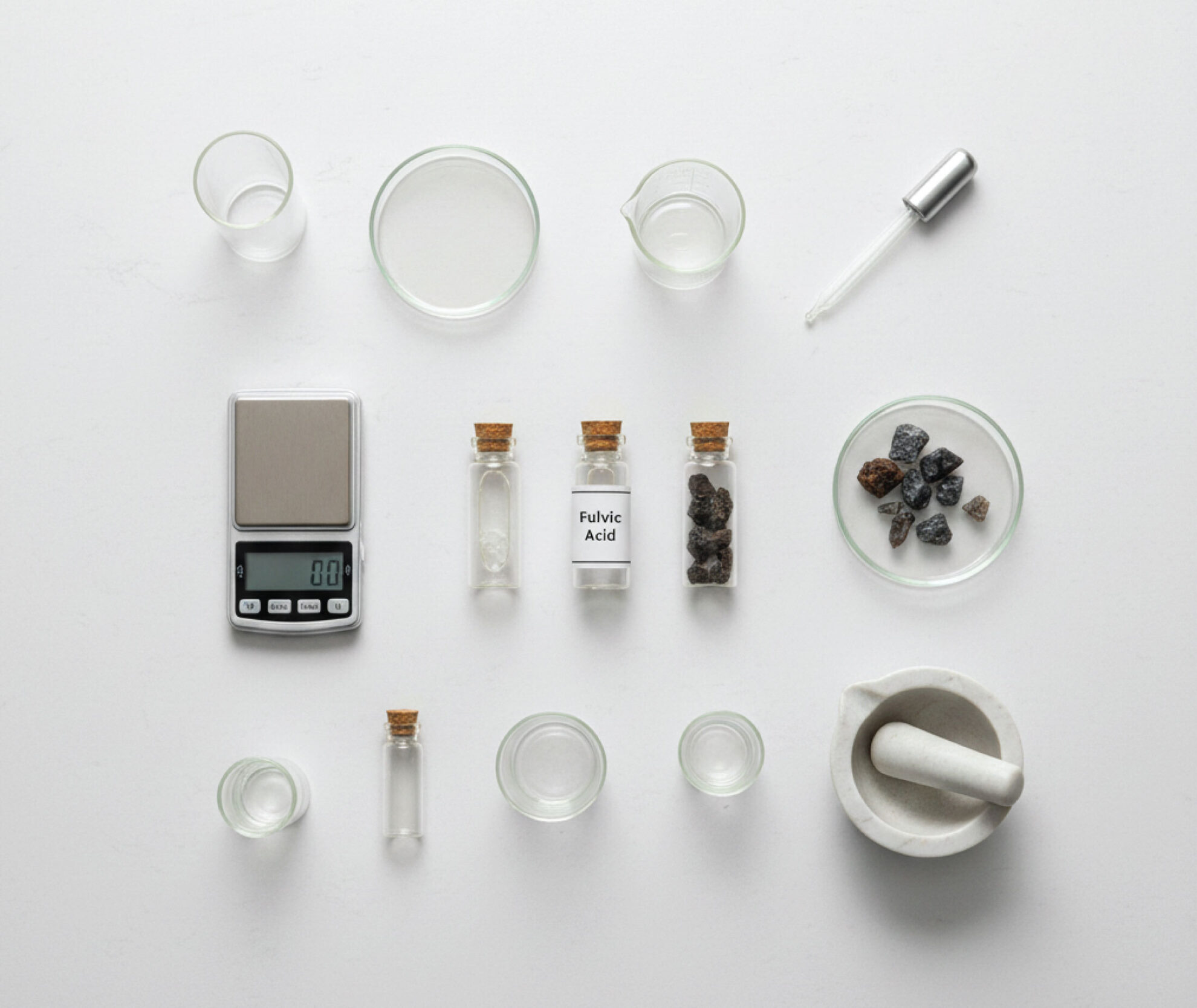
Fulvic Acid Shilajit research shows that it is a major component of Shilajit. Fulvic Acid makes up about 15% to 20% of its weight, but this can be more with extracts. Fulvic Acid helps carry negatively charged ions. This binds nutrients and moves them into cells in a process called nutrient chaperoning.
Studies on Fulvic Acid show it acts as a strong antioxidant. It may reduce inflammation and help remove toxins. These effects may support health at the cellular level.
FDA Warning on Fulvic Acid Sourcing
Shilajit is not approved by the FDA as a treatment for any disease or condition. Neither is Fulvic Acid. (This is common with botanical supplements.) In fact, due to contamination concerns, the FDA has issued warnings about products containing Fulvic Acid. This is why quality, purity, and sourcing are so imperative.
If you want to get the full wellness impact, you’ll have to be selective when you purchase Shilajit for consumption. Fulvic Acid and Shilajit quality both vary in concentration and purity by source.
Lab-Tested Shilajit with Fulvic Acid
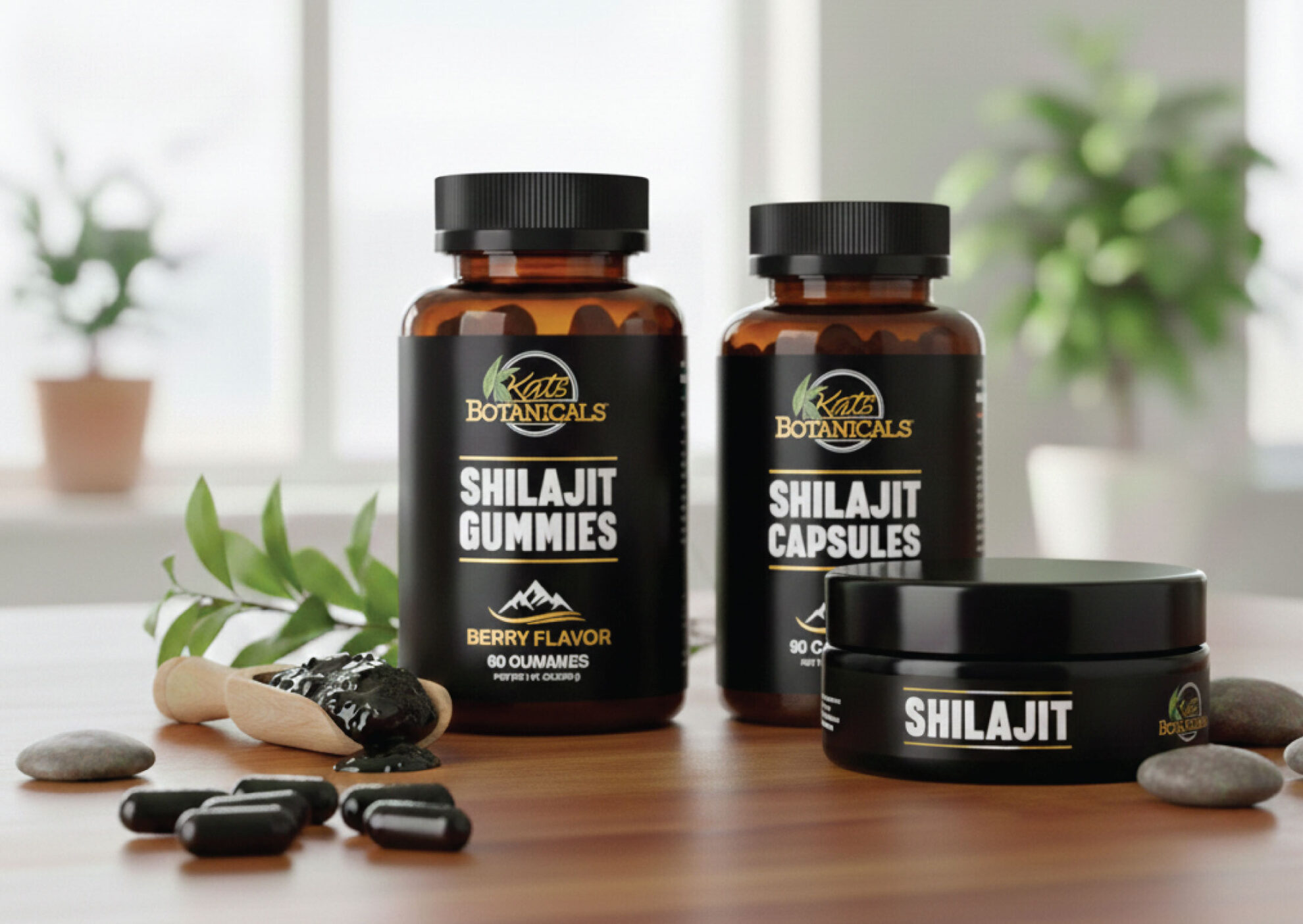
Kats Botanicals’ lab-tested Shilajit answers the wellness call. Our lab-verified line-up of Shilajit products is pre-screened for your safety. For consistency, high Fulvic Acid content, and pure forms, choose from these options:
Pure Shilajit Resin from the Himalayas – “Nature’s elixir” in its purest, most authentic form. 300+ servings per jar!
Pure Himalayan Shilajit Capsules – Ayurvedic ease, portability, pre-measured dosing capsules. 63% Fulvic Acid!
Pure Shilajit Gummies – Fresh, enjoyable form with 80% Fulvic Acid!
Whether you choose Kats Botanicals or another reputable brand, note this:
Unprocessed or low-quality Shilajit may contain heavy metals or microbial contaminants. Purchase only lab-screened Shilajit products for your wellness routine.
Safety and Dosage in Scientific Context
According to recent Shilajit safety studies, purified Shilajit appears safe.
Studies show Shilajit can stress the liver and kidneys if used for a long time. Human safety data for prolonged use are limited. Though most research doesn’t produce notable toxicity, one study in rats suggests shorter-term use is best.
A 2012 study systematically tested black Shilajit administered daily to rats.
Dose amount: 500 mg/kg, 2,500 mg/kg, and 5,000 mg/kg body weight
Dose frequency: Once daily
Duration: 91 days
Results were compared to a control group receiving only vehicle (no Shilajit). No significant toxicity or adverse changes were observed in treated groups compared to the control, except some negligible changes in the liver and intestine at the highest dose. These were not significant enough to indicate harmful long-term effects, but extended study in humans is needed.
Shilajit Use Tips
Human tolerances for botanical supplements may vary. You know your body and should use any botanical like Shilajit with a measure of mindfulness and purpose. Follow dosing recommendations, read the labels, and take a look at the Certificate of Analysis for your product. Start off slow and listen to your body. If you have medical conditions, take medicines, are pregnant or nursing, get your doctor’s approval.
Here are some dosing guidelines:
- 250–500 mg
- Twice daily
- Short term, up to 90 days
- Safest when sourced from reputable suppliers
 FAQ: Shilajit Research and Use
Because there are over 85+ minerals, including some important trace minerals important to our health, Shilajit has a lot to offer. Fulvic Acid makes up a large portion of the resin and has been shown to have benefits. Some benefits, such as testosterone and energy support, are supported by small clinical trials. Larger, long-term human studies are still needed to confirm outcomes and explore other fields of benefit. Preliminary research suggests short-term ( up to 3 months) is safest, and only when sourced well.
Yes. Studies have examined hormonal, cognitive, and performance effects. Results were positive but preliminary. More study is needed to develop the complete safety profile and outline of proven effects in humans.
Fulvic Acid acts as a natural transporter in the body. It helps the body absorb minerals and antioxidants more efficiently. It’s considered the most bioactive component of Shilajit.
Purified Shilajit appears safe for most adults when taken as directed. Unrefined Shilajit may contain impurities or heavy metals to avoid. Purchase lab-tested Shilajit to avoid these safety concerns.
Kats Botanicals offers pure, lab-tested Himalayan Shilajit resin, capsules, and gummies. Our cGMP processes and safe sourcing meet strict safety and purity standards.
Summary: What Research Says About Shilajit’s Future
Current Shilajit research (2025) is ongoing. Preliminary studies show us that there are a number of components in Shilajit that may offer health and wellness benefits. Shiajit’s impact on vitality, reproductive health, and neuroprotective support has been central. Also, a potential role in stress resilience and cognition support.
More human studies could show promise in other areas like hormone balance, energy metabolism, and vitamin uptake. Shilajit’s complex chemistry needs a wide range of clinical studies to demonstrate its wellness outcomes.
Best choice:Himalayan Shilajit with scientific evidence supported by lab data and purity testing. This means buying lab-verified sources like those we offer here at Kats Botanicals. Our pure, verified Shilajit resin is sourced responsibly with lab-proven purity!
Reviewed / Updated: October 2025
These statements have not been evaluated by the Food and Drug Administration. This product is not intended to diagnose, treat, cure, or prevent any disease.
Written By Staff
The staff writers for Kats Botanicals have been researching and writing about Kratom products for more than 5 years, and have a combined experience of over 35 years of writing in the healthcare and supplement industry. The team has a keen understanding of the topic, remain current on all FDA and industry news, and use their expertise to generate engaging and informative content to help educate consumers on Kats Botanicals’ products. Each article is fact-checked and includes sources to scientific data to ensure readers receive the most up-to-date and accurate information possible.
Reviewed By Justin Kats
Justin Kats, founder of Kats Botanicals reviews and approves all content before releasing it for posting on the Kats Botanical website. Justin has been a tireless advocate for the benefits of Kratom since 2012. As a champion for botanical therapy, Justin created a Facebook group where more than 12,000 people discuss botanicals, and Kratom. He has also assisted more than 80,000 customers since the inception of his business and works directly with a single source farmer to ensure the purity of the products he sells. He also performs rigorous lab testing because he understands what it takes to get a high-quality product to market.
KRATOM WARNING: For use by individuals 21+ only. Not for use by pregnant or lactating women. Consult a physician before consuming if taking any medication or if you have a medical condition, including but not limited to heart disease, high blood pressure, or liver disorder. Do not combine this product with alcohol or other medications. May be habit-forming and lead to dependency. Not intended for long-term use. For more information, see our Kratom Dosage Guide for general suggested use.
Share this post:
GET EXCLUSIVE DISCOUNTS & ACCESS TO
KATS BOTANICALS GIVEAWAYS



Guidebook Categories
Search The Guidebook
Latest posts




32.1K