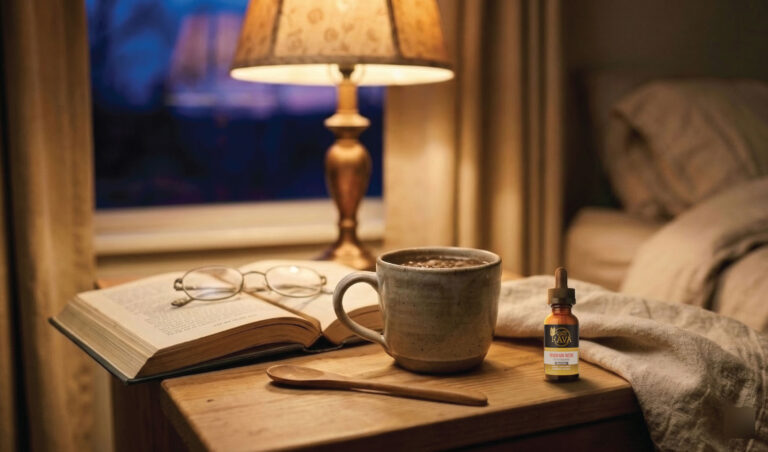

Getting a good night’s sleep should not feel like a project. But for a lot of people, it does.
Racing thoughts, tension that won’t release, a body that is tired but a mind that refuses to shut down. Over-the-counter sleep aids can help in the short term, but many come with that foggy, sluggish feeling the next morning. Melatonin gummies may work for some people, but not others. Prescription options may also carry dependency risks.
When you buy Kava, you’re taking a completely new and different approach.
Used for centuries across the Pacific Islands as a ceremonial drink for calm and social bonding, Kava’s uses are expanding to the West. One popular use case is Kava for sleep support. Kava’s active compounds, called kavalactones, interact with the brain’s calming systems in ways that may help you wind down without the chemical hangover that follows many sleep aids.
How Kava Supports Sleep
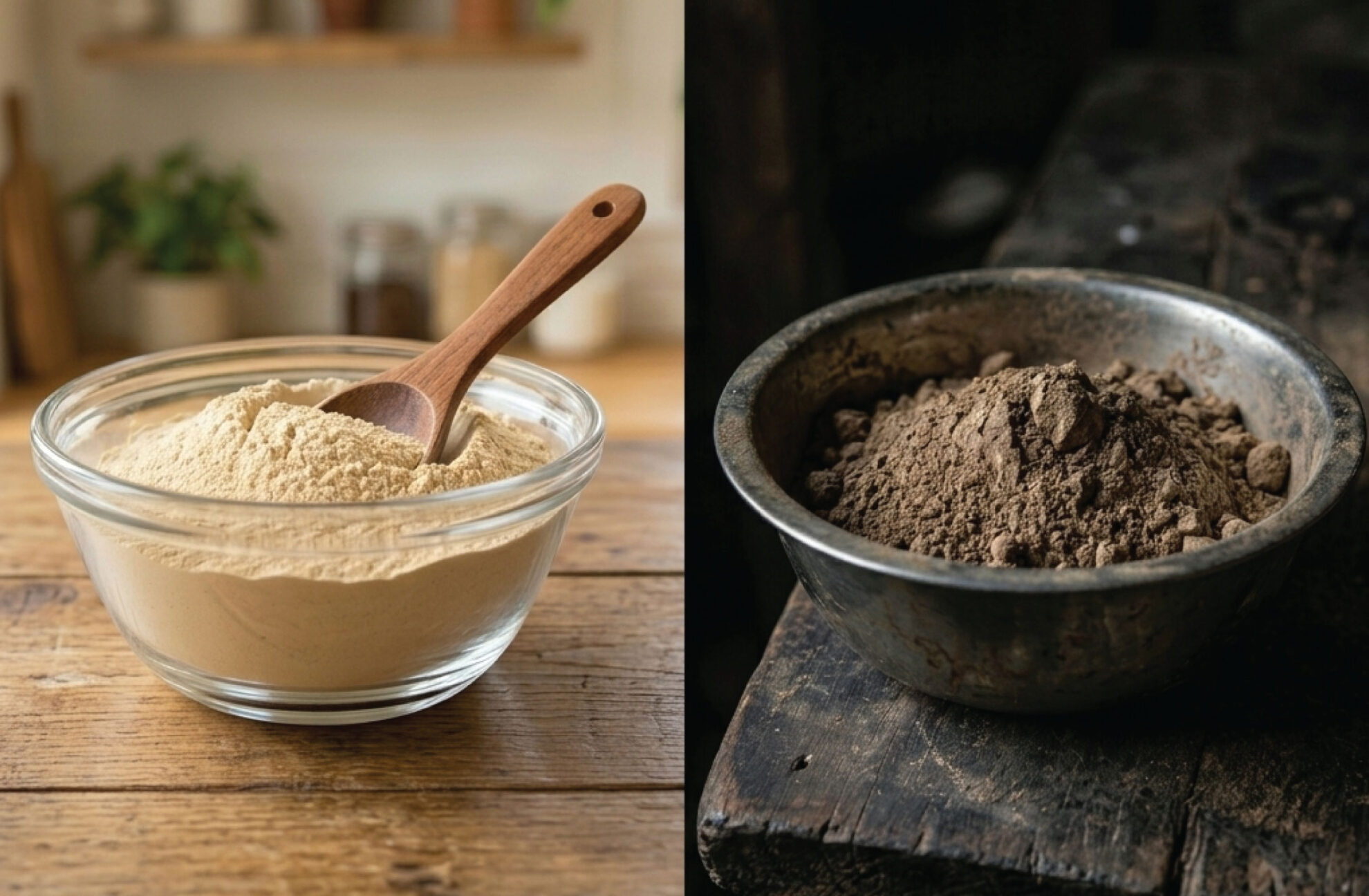
Kava (Piper methysticum) is a tropical plant native to the South Pacific. The root contains a group of bioactive compounds called kavalactones. There are six primary kavalactones that account for about 96 percent of Kava’s pharmacological activity, and they work through several pathways in the brain.
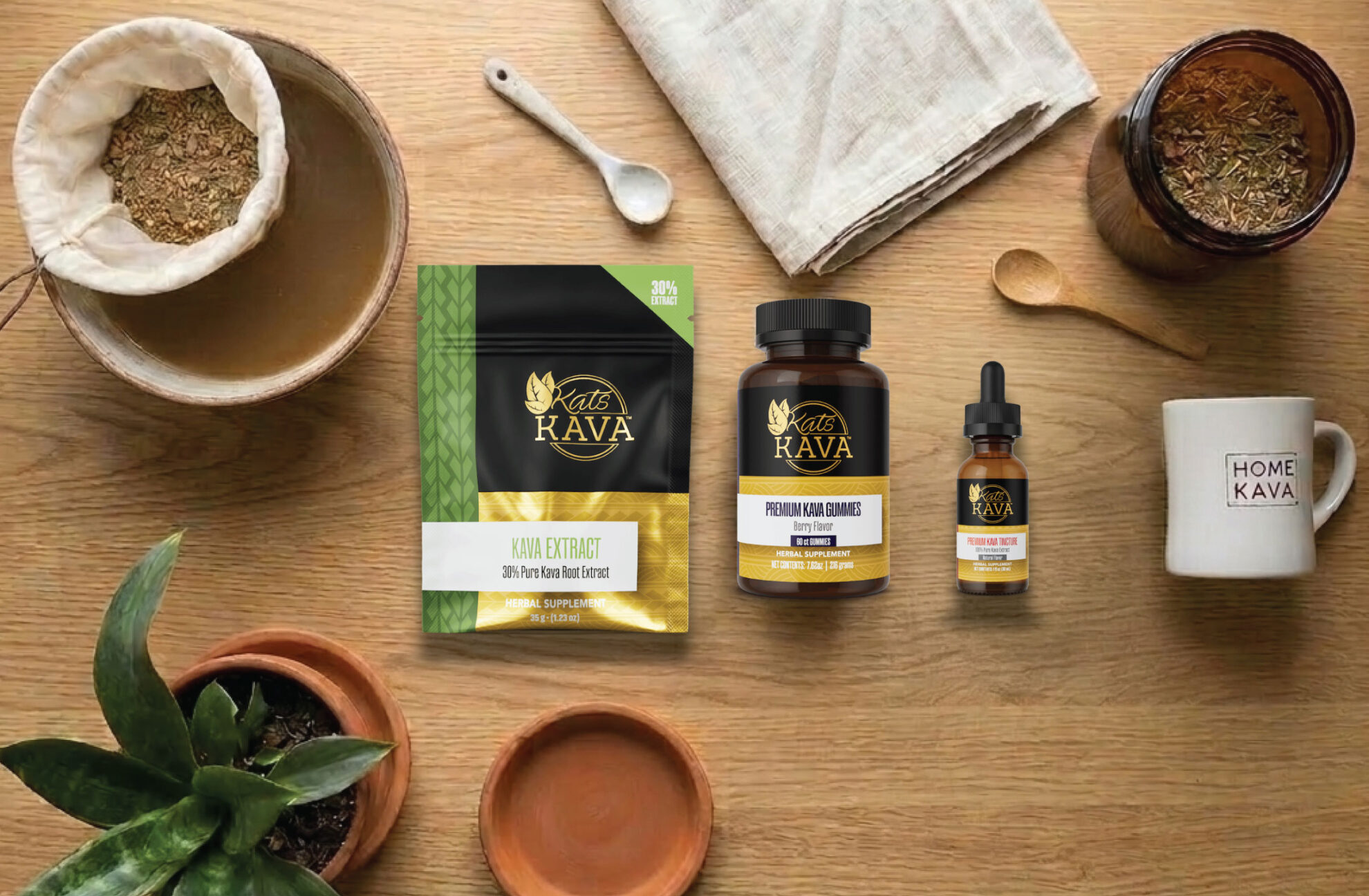
Modern Kava products come in powdered root form, capsules, gummies, and tinctures, offering versatility for your sleep hygiene routine.
The GABA Connection
The most relevant mechanism for sleep involves gamma-aminobutyric acid, or GABA. GABA is your brain’s primary inhibitory neurotransmitter. When GABA binds to its receptors, it slows neural activity, producing feelings of calm and relaxation. Kavalactones may work to enhance the effects of GABA by binding to GABA-A receptors. This is the same receptor system that other options target, but kavalactones interact with GABA differently and appear to carry a lower risk of dependency.
Beyond GABA
Kavalactones do more than modulate GABA. They also work through other calming pathways, such as:
- Quieting stress signals: Noradrenaline reuptake may slow
- Easing dopamine pathways: Moderate dopamine modulation for mood balance
- Interacting with CB1 receptors: Yangonin binding in the endocannabinoid system (Just like CBD for sleep)
This multi-pathway activity is part of what makes Kava distinctive as a natural sleep support. Additionally, the various forms of Kava work well with a relaxing sleep routine.
What Research Says
Multiple research studies support Kava for sleep and Kava for stress support, when high-quality products are used moderately. Let’s take a look at the big ones.
| Review/Title | Year & Location | Findings |
| Kava as a Clinical Nutrient: Promises and Challenges Sarris et al. | 2020 Australia | Literature review showing Kava improves sleep quality + increases deep sleep time |
| Clinical efficacy of Kava extract WS 1490 in sleep disturbances Lehrl et al. | 2004 Germany | 61 patients with anxiety-related sleep issues; faster sleep onset, longer duration, no next-day grogginess (4 weeks) |
| Effectiveness and safety of Kava Kava for anxiety Sarris et al. | 2018 Australia | Meta-analysis of 7 trials; Kava superior to placebo for anxiety disorders impacting sleep |
That first Sarris study demonstrates Kava sleep support in three key ways:
- Falling asleep
- Sleep quality
- Deep sleep phase (restorative sleep)
Compared with sleep aids, Kava is often preferred for its gentleness and lack of morning grogginess. Studies on Kava’s potential benefits have further supported the tropical root as a natural way to improve your slumber.
In all cases, quality is imperative. There’s also format and dosing to consider. Let’s take a look at selecting a Kava product for better sleep, and the top Kava products you may want to work into your routine.
The Best Kava for Sleep
Not all Kava varieties produce the same effects. There are over 100 cultivated varieties (cultivars) of Kava, each with a different kavalactone profile. Strains are divided by quality and by their “feel,” which makes it easy to determine the best Kava for sleep or relaxing evenings.
Noble vs. Non-Noble Kava
The most important distinction is between noble and non-noble (tudei) Kava. Noble Kava varieties have a long history of safe, traditional use and contain kavalactone profiles associated with pleasant relaxation. Non-noble varieties, sometimes called “two-day” Kava because of their prolonged and less pleasant effects, contain higher levels of flavokavains. These compounds can cause nausea and discomfort. For sleep purposes, and for general use, stick with noble Kava.
Heavier Varieties for Sleep
Within noble Kava, some varieties are described as “heavier” because they may produce stronger physical relaxation. These heavier varieties tend to have higher concentrations of the kavalactones dihydrokavain and dihydromethysticin, which are associated with muscle relaxation and sleep-promoting effects.
Vanuatu Kava is one well-known example of a heavier Kava variety favored for nighttime use.
Lighter or “heady” varieties lean more toward mental clarity and social ease. These are better suited for daytime use or social settings where you want to feel relaxed but alert. But, for bedtime support, you want the heavier end of the spectrum. A good example of a daytime Kava is the combination of Kava and Kratom Shots, designed for uplift, clarity, and a pleasant sense of productivity.
Kava Form Matters
Kava comes in several formats for daytime or sleep use, depending on the strain. For sleep, any form that delivers an adequate kavalactone dose will work. The best choice depends on whether you prefer a ritualistic preparation process or a quick, no-fuss approach. Here’s some sleep-focused direction on which products you may most enjoy for this use.
Kava Powders
Traditional grind (medium grind) is the whole root ground into a powder that you strain through a cloth or bag with water. This produces the most traditional experience and gives you control over the strength. Micronized Kava is a finer powder that can be mixed directly into water without straining. It is quicker to prepare and retains all of the root material. Use heavier varieties for the deepest support.
Kava for Sleep: Try Vanuatu Kava
Kava for Deep Relaxation: Try Kats Kava Solomon
Kava Extracts
Kava concentrates and extracts provide higher kavalactone doses per serving. These are useful for people who know their effective dose and want to prioritize efficiency. Learn more about extracts and tincture use with our blog, “The Complete Guide to Kava Drops & Kava Extract Tinctures.”
Concentrated sleep teas: Try Kava Extract Powder
Personalized sleep routines: Try Kava Extract Tinctures
Kava Capsules and Gummies
Kava capsules and tablets, or flavorfulKava Gummies offer convenience and pre-measured dosing. They skip the bitterness of Kava, making them a quick and pleasant way to wrap up the evening.
When to Take Kava for Sleep
Kavalactones typically take 15 to 30 minutes to produce noticeable effects, with full relaxation building over the following hour. Drinking Kava before bed works best when you give yourself a 1- to 2-hour window before your intended bedtime.
With experience, it gets easier to time it to your body’s response. Taking Kava on an empty stomach may hasten its onset. If you have a sensitive tummy, take Kava with a small snack, such as fruit, yogurt, or a bit of bread.
One unique property of Kava is what users call “reverse tolerance.” When you first start drinking Kava, you may not feel strong effects right away. With regular use over the first week or two, your body becomes more responsive to kavalactones, meaning you may be able to tailor your doses to smaller amounts for equal effect.
Kava Dosage for Sleep
Clinical trials used 150-300 mg kavalactones (often in extract form) in the evening for sleep support. Kava products vary widely in their dosage instructions, so it’s important to read the label.
Try a portion of the recommended dose first to see how your body responds before trying the full recommended dose.Everyone metabolizes kavalactones differently, so your sweet spot may differ from someone else’s.
Safety and Considerations
Kava has a long history of traditional use, and clinical research supports its safety at recommended doses. That said, there are some important considerations.
- Daily Use: Kava is generally used as occasional sleep support rather than an every-night supplement. Taking regular breaks, such as using Kava 4 to 5 nights per week rather than 7 nights, can minimize potential long-term concerns.
- Liver Health: Hepatotoxicity issues in the early 2000s were linked to poor-quality products, not traditional use. Kava research has suggested that these cases were linked to non-noble Kava varieties, non-root plant parts, and improper extraction methods. If you have liver concerns, talk with your doctor about whether Kava is right for you.
- Drug Interactions: Kavalactones affect cytochrome P450 enzymes in the liver, which metabolize many medications. Talk with your doctor about whether you can take Kava with your medications. Avoid combining Kava with alcohol, benzodiazepines, or other sedating substances.
- Kava Dermopathy: Regular, heavy use of Kava over extended periods may cause a temporary skin condition characterized by dry, scaly patches. Studies show there may be more to this phenomenon, possibly linked to niacin deficiency.