The Kratom market has exploded over the past decade, and with that growth comes a challenge: separating quality Kratom brands from questionable ones. Not all online Kratom products are created equal.
The difference between a reputable vendor and a careless one can mean the difference between a product that meets your expectations and one that disappoints or raises safety concerns.
This guide gives you the tools to evaluate Kratom brands for yourself. You’ll learn what quality markers to look for, which red flags should send you elsewhere, and how the major players in the market stack up.
Why Kratom Brand Matters
Kratom arrives in the United States as a raw botanical import. Unlike pharmaceuticals or even dietary supplements with established regulatory frameworks, Kratom exists in a gray zone where quality control falls primarily on the vendors themselves.
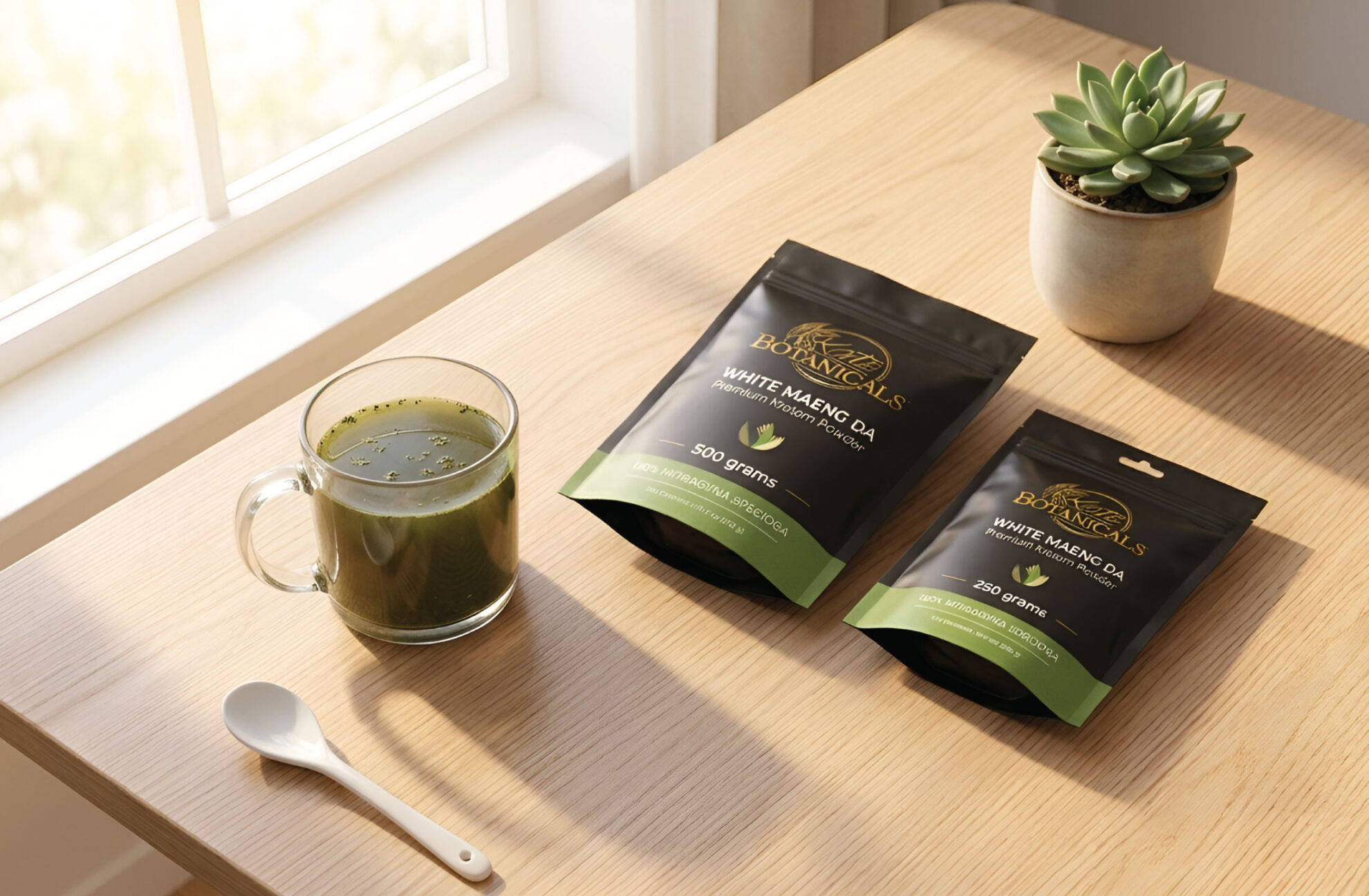
Some companies invest in rigorous third-party Kratom lab testing and transparent practices – like Kats Botanicals!
Others cut corners.
Regardless of the vendor, the stakes are real.
Untested Kratom can contain contaminants like heavy metals, bacteria, or mold. Products from careless suppliers may have inconsistent alkaloid content, meaning the same “strain” delivers wildly different experiences batch to batch. In worst-case scenarios, products have been adulterated with synthetic compounds under the misleading marketing term “advanced Kratom alkaloids.”
Choosing a trustworthy brand isn’t about finding the cheapest price or the flashiest marketing. It’s about finding a company that takes responsibility for what they sell. Better yet, one that honors the time-tested traditional use of Kratom by preserving its natural alkaloids – like Mitragynine, 7-OH (see “What Is 7-OH? An Honest Look at This Emerging Kratom Alkaloid”), Speciociliatine, and others – in clean, modern use products you can trust.
Learn about the Mitragynine vs 7-Hydroxymitragynine here: The Difference Between Mitragynine and 7-Hydroxymitragynine Kratom Alkaloids
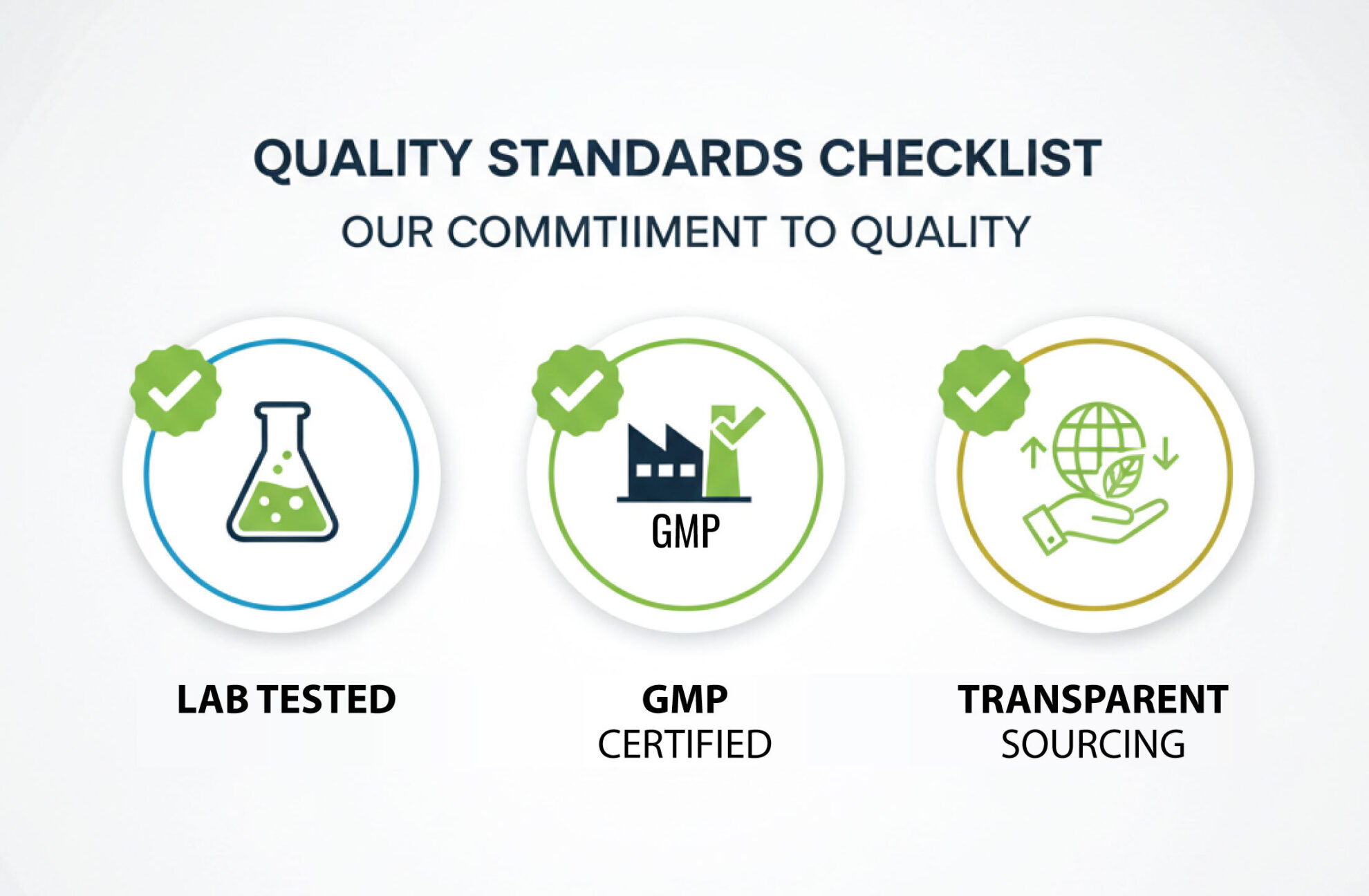 What to Look for in Quality Kratom Brands: Kratom Vendor Quality Checklist
Evaluating Kratom vendors doesn’t require expertise. It requires asking the right questions and knowing what the answers should look like. Here are the top things to look for in a quality Kratom brand:
Third-Party Lab Testing
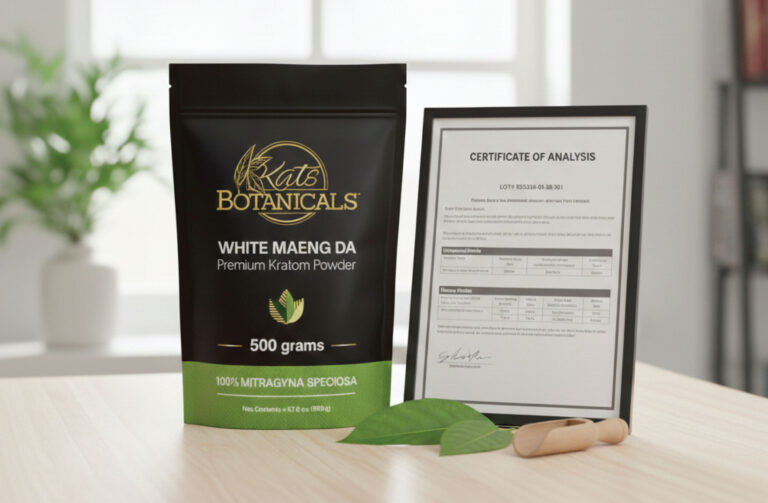
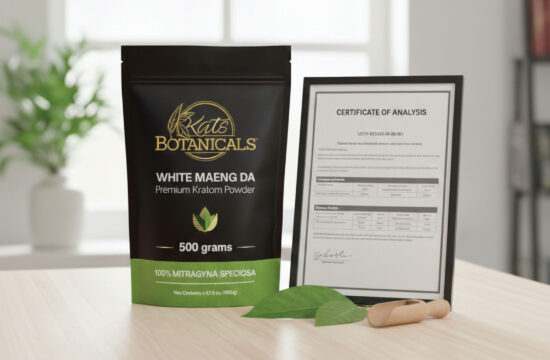
This is non-negotiable. Quality brands test every batch of Kratom through independent laboratories. Kratom lab testing screens for heavy metals (lead, arsenic, mercury, cadmium) and microbial contamination (salmonella, E. coli, mold, yeast). These tests also show the alkaloid percentages of Mitragynine and 7-Hydroxymittragynine, as well as the lesser-known alkaloids.
Test results should be accessible. Look for Certificates of Analysis (COAs) on the company’s website, ideally linked directly from product pages. If a brand claims to test but won’t show you the results, that’s a problem.
GMP Certification
Good Manufacturing Practice (GMP) is a program that audits all types of products, like supplements, ingestibles, food items, and yes, even Kratom products. This helps to ensure that these certified Kratom vendors meet quality control standards. Participation is voluntary, and certification requires meeting specific benchmarks for facility cleanliness, product testing, labeling accuracy, and documentation.
GMP certification isn’t a guarantee of quality, but it indicates a company willing to submit to external oversight. It’s one meaningful trust signal among several.
Transparent Sourcing
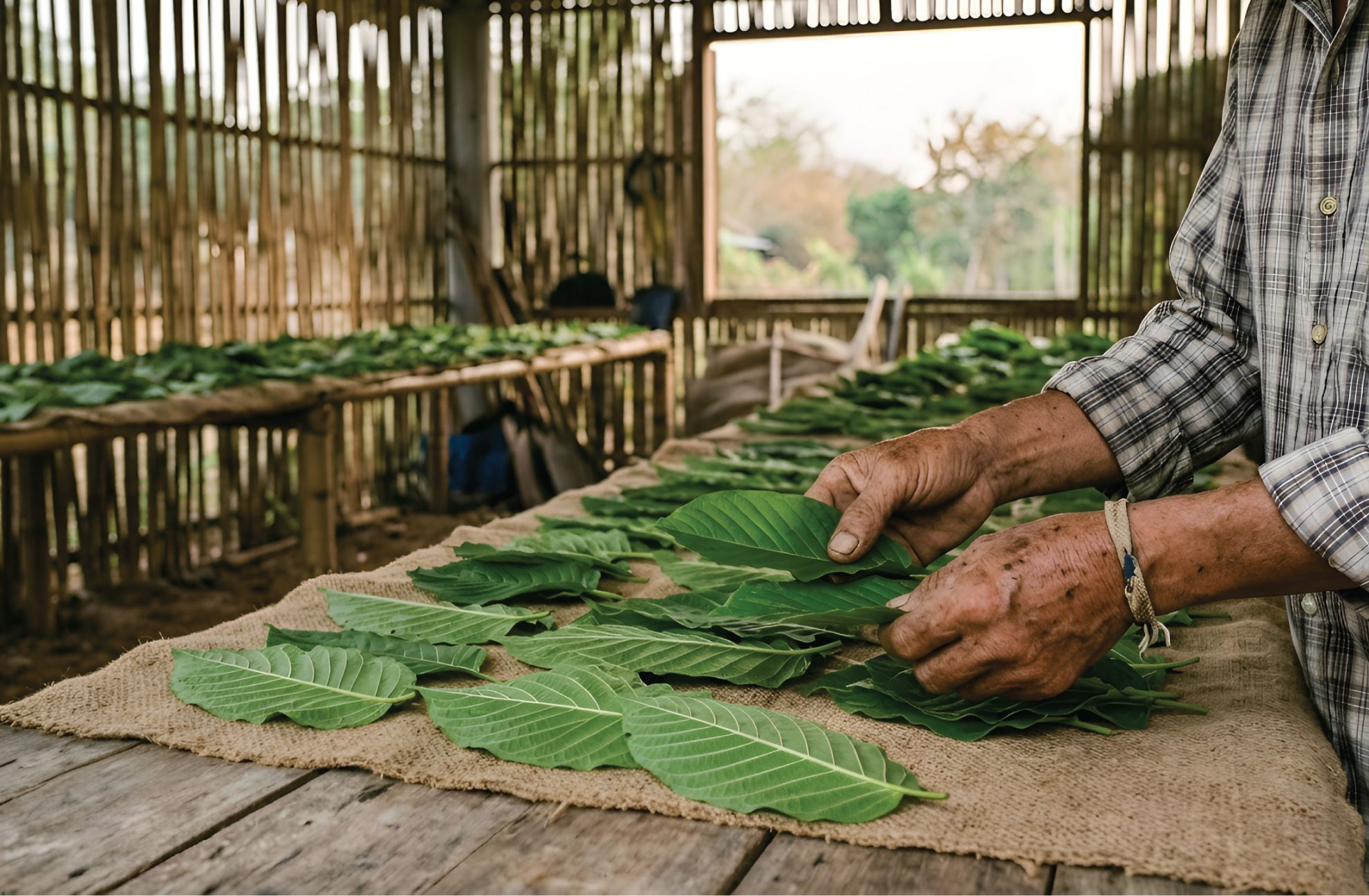
Reputable brands share information about where their Kratom comes from. This doesn’t mean revealing proprietary supplier relationships, but it does mean providing context: the general region of origin, the harvesting and drying methods used, and the quality control steps between harvest and packaging.
Vague claims about “premium Indonesian Kratom” without further detail suggest a company that either doesn’t know their supply chain or doesn’t want you to know it. Comparing Kratom strains is easier when you have this regional sourcing information.
Clear Product Labeling
Product labels should tell you exactly what you’re buying: the strain or vein color, the weight, the form (like Kratom powder, capsules, extract), and any relevant batch or lot numbers. Misleading names, unclear dosing information, or missing details are warning signs.
Customer Service Accessibility
Can you reach the company if something goes wrong? Look for multiple contact methods: email, phone, live chat. Check whether they respond to customer questions on their website or social media. A company that’s hard to reach before you buy will be harder to reach after.
Reasonable Policies
Satisfaction guarantees and return policies indicate confidence in product quality. Not every company offers money-back guarantees, but reasonable return windows for unopened products are standard among reputable vendors.
Red Flags: Kratom Brands to Avoid
Sometimes spotting the imposter online or in-store can be hard to determine. These warning signs should send you looking elsewhere:
No Lab Testing Evidence
If a brand doesn’t mention testing, or claims to test but won’t provide COAs, assume the worst. Testing costs money, and companies that skip it are cutting corners where it matters most.
Exaggerated Health Claims
Kratom vendors cannot legally claim their products treat, cure, or prevent diseases. Companies making bold medical claims are either ignorant of regulations or willing to ignore them. Neither inspires confidence in their other practices.
Suspiciously Low Prices
Quality Kratom costs money to source, test, and handle properly. Prices far below market average often indicate inferior product, improper storage, or skipped testing. The cheapest option is rarely the best value.
Missing Company Information
Legitimate businesses identify themselves. If you can’t find a physical address, company history, or information about the people behind the brand, proceed with caution.
Gas Station and Convenience Store Products
This deserves direct address since many people encounter Kratom first at gas stations or convenience stores. These products aren’t automatically bad, but they carry higher risk. Convenience retailers rarely verify supplier quality standards, the products often cost more per gram than online alternatives, and the brands sold in these channels frequently lack the transparency markers that define quality vendors.
Some gas station Kratom products have faced recalls or quality issues. If convenience is your priority, at least research the specific brand before purchasing rather than grabbing whatever’s on the shelf.
Better yet, think ahead to avoid risky impulse buys. Stock up on Kratom + Kava Shots – lab-tested, higher-quality alternatives to gas station Kratom!
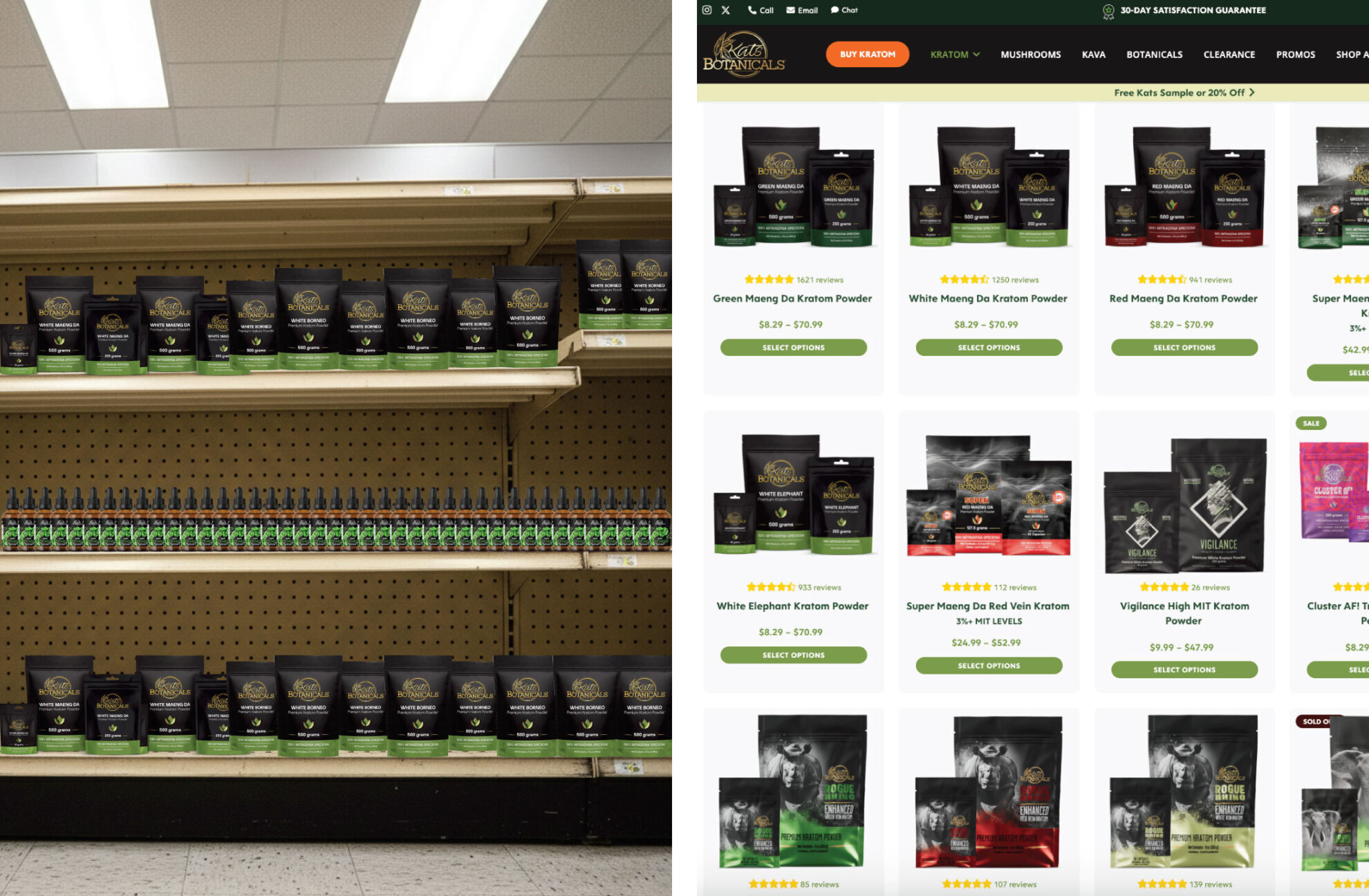 Popular Kratom Brands Overview
The Kratom market includes dozens of vendors. These are some of the names you’ll encounter most often, with brief context on each.
Kat’s Botanicals
Founded with a focus on transparency and education, Kat’s Botanicals emphasizes third-party testing, detailed product information, and customer support. The product line spans powders, capsules, and extracts across the full range of strains. AKA GMP certified. Known for educational content and community engagement.
Kraken Kratom
One of the larger online vendors, Kraken Kratom offers an extensive product selection including powders, capsules, extracts, and branded merchandise. AKA GMP certified. They’ve built a reputation for fast shipping and frequent promotions.
MIT45
MIT45 focuses primarily on extracts and concentrated products rather than plain leaf powder. Their products are widely distributed in retail locations, making them one of the more accessible brands for in-store purchase. Known for high-potency offerings aimed at experienced users.
Super Speciosa
A newer entrant that has grown through emphasis on lab testing and quality control. AKA GMP certified. Their product line focuses on powders and capsules with straightforward strain options. They’ve positioned themselves on transparency and testing documentation.
Golden Monk
An online vendor offering powders, capsules, and sample packs. They’ve built their reputation on competitive pricing and variety. AKA GMP certified. Known for bulk purchasing options.
Happy Go Leafy
Another online vendor emphasizing quality sourcing and lab testing. Their product line includes traditional powders and capsules. They’ve focused on building direct relationships with Indonesian suppliers.
This list isn’t exhaustive, and inclusion doesn’t constitute endorsement. Each brand has strengths and limitations. Use the quality checklist above to evaluate any vendor, including these.
Related read: A Real User Guide on Where to Buy Kratom Near Me.
Kratom Brand Types by Product Focus
Different brands emphasize different product categories. Understanding these specializations helps you find vendors aligned with your preferences.
Powder Specialists
Some brands focus primarily on Kratom powder, offering extensive strain variety and bulk pricing. These vendors appeal to experienced users who prefer traditional preparation methods and want maximum flexibility in dosing.
Capsule-Focused Brands
Other companies emphasize convenience through pre-measured Kratom capsules. These brands may offer fewer strains but prioritize consistent dosing and portability. They appeal to users who value simplicity over variety.
Extract and Shot Brands
A subset of vendors specializes in concentrated products: liquid Kratom extracts, enhanced powders, and single-serving shots. These products deliver higher alkaloid concentrations in smaller volumes. They’re aimed at experienced users with established tolerance and clear understanding of their needs.
Full-Line Vendors
The largest brands (like Kats Botanicals and Kraken Kratom) offer comprehensive product lines spanning powders, capsules, extracts, and sometimes adjacent products like Kava or CBD. These vendors aim to serve the full spectrum of customer needs rather than specializing in one format.