

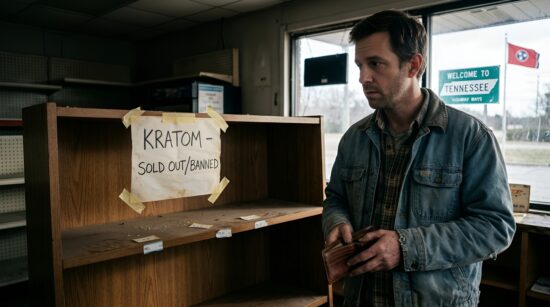
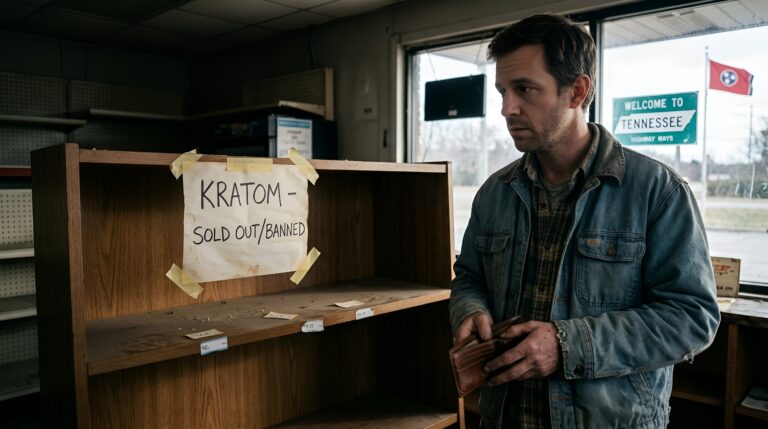
Kratom is no longer legal to buy, sell, or possess in Tennessee. As of July 1, 2026, House Bill 1649, known as Matthew Davenport’s Law, made the plant and its products illegal across the state. If you built a wellness routine around kratom in Knoxville, Nashville, Memphis, or anywhere in between, the shelves you used to shop went dark on that date. The question now is: is the ban real, and what do we do about it?
This update walks through what the Tennessee kratom ban actually covers, why the penalty language is confusing even in the official coverage, and the distinction the law glosses over between kratom leaf and concentrated 7-OH extracts.
Quick Answer: Kratom has been illegal to possess or sell in Tennessee since July 1, 2026, under HB 1649 (Matthew Davenport’s Law). The ban covers whole-leaf kratom powder and capsules right alongside concentrated 7-hydroxymitragynine (7-OH) products, even though those are pharmacologically different things. Possession inside the state is now prohibited regardless of where the product was purchased, and Tennessee customers have limited options: buy legally elsewhere, contact state lawmakers, and safely dispose of what they already own.
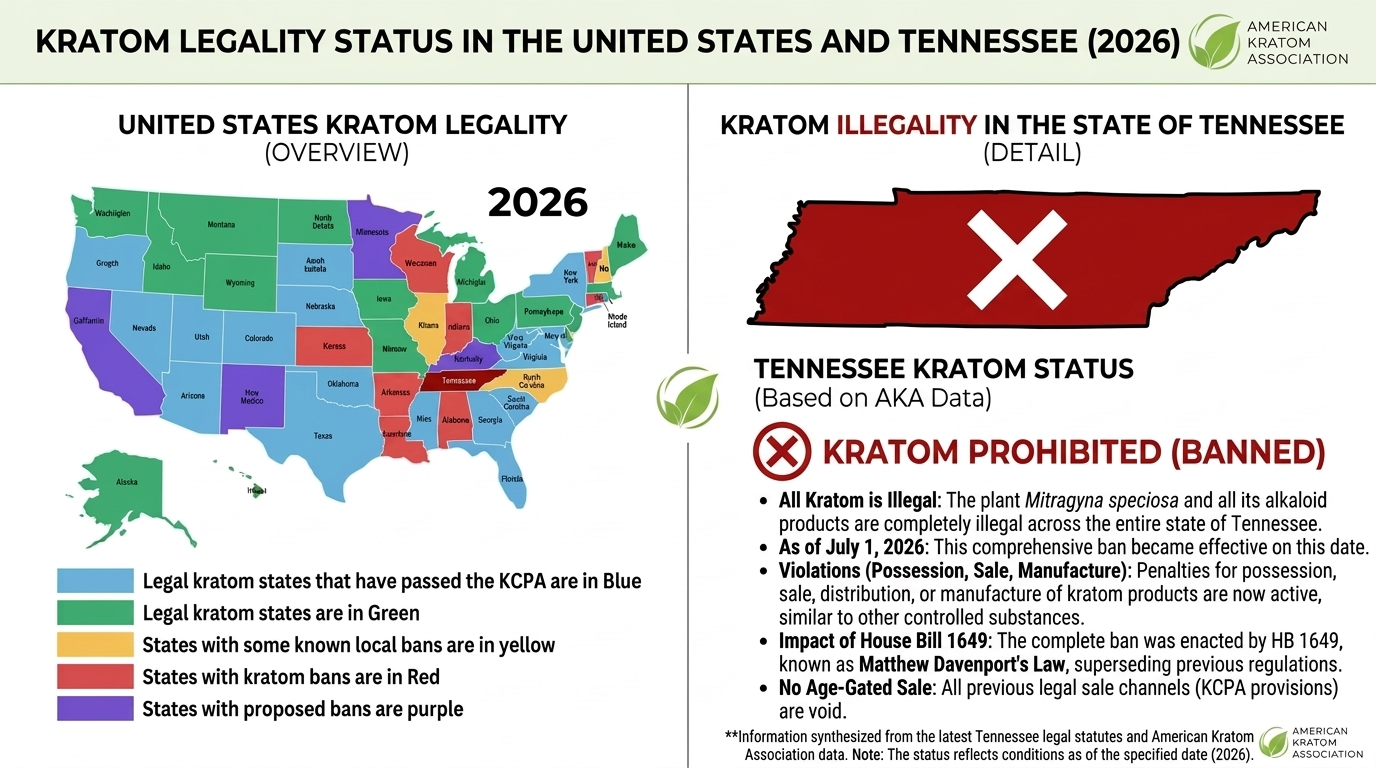
Where Tennessee’s Kratom Ban Stands Right Now
Kratom is banned statewide in Tennessee, and the ban is in effect, not pending. WVLT (Action News 5) reported on May 28, 2026, that kratom would leave Tennessee store shelves starting July 1 after lawmakers labeled it “gas station heroin,” and follow-up local coverage confirmed the same July 1 start date as the deadline approached. There’s no grace period left to count down. The law is live.
What HB 1649 (Matthew Davenport’s Law) Actually Bans
HB 1649 prohibits the sale and possession of kratom products in Tennessee. That reaches the everyday formats most people recognize: loose powder, capsules, extracts, teas, and gummies. It doesn’t carve out an exception for the raw, unprocessed leaf used traditionally in Southeast Asia for generations, which is a large part of why longtime customers feel blindsided. The bill treats “kratom” as one undifferentiated thing, so a bag of green vein powder and a high-potency shot fall under the same prohibition.
That framing matters because it shapes everything downstream. When a law defines its target broadly, enforcement and confusion both scale up with it. Paul DiBrito, CEO of Kats Botanicals, told WVLT the company was already cutting off its Tennessee supply and relocating its warehouse to Kentucky ahead of the deadline, describing roughly 3,500 Tennessee customers the business could no longer sell to. That’s one vendor’s slice of a market the state served openly the day before.
The Penalties: Possession vs. Sale, and Why Sources Disagree
Here’s where honest reporting gets murky, so Kats Botanicals won’t pretend it’s settled. The coverage doesn’t line up. Some accounts of the ban describe misdemeanor-level treatment, while the harsher language attached to the bill itself points toward heavier penalties for distribution. What no source cleanly reconciles is the gap between a person holding a jar of powder at home and a retailer moving inventory across a counter, and those are usually treated very differently under any controlled-substance framework.
The practical read: simple possession and commercial sale aren’t the same offense, and the exposure for a customer with leftover product isn’t obviously the same as the exposure for a shop still stocking it. Because the public sources conflict, anyone trying to gauge real legal risk should treat the specifics as unsettled and get advice from a Tennessee attorney rather than relying on a headline. What’s clear is that possessing kratom in the state is now against the law.
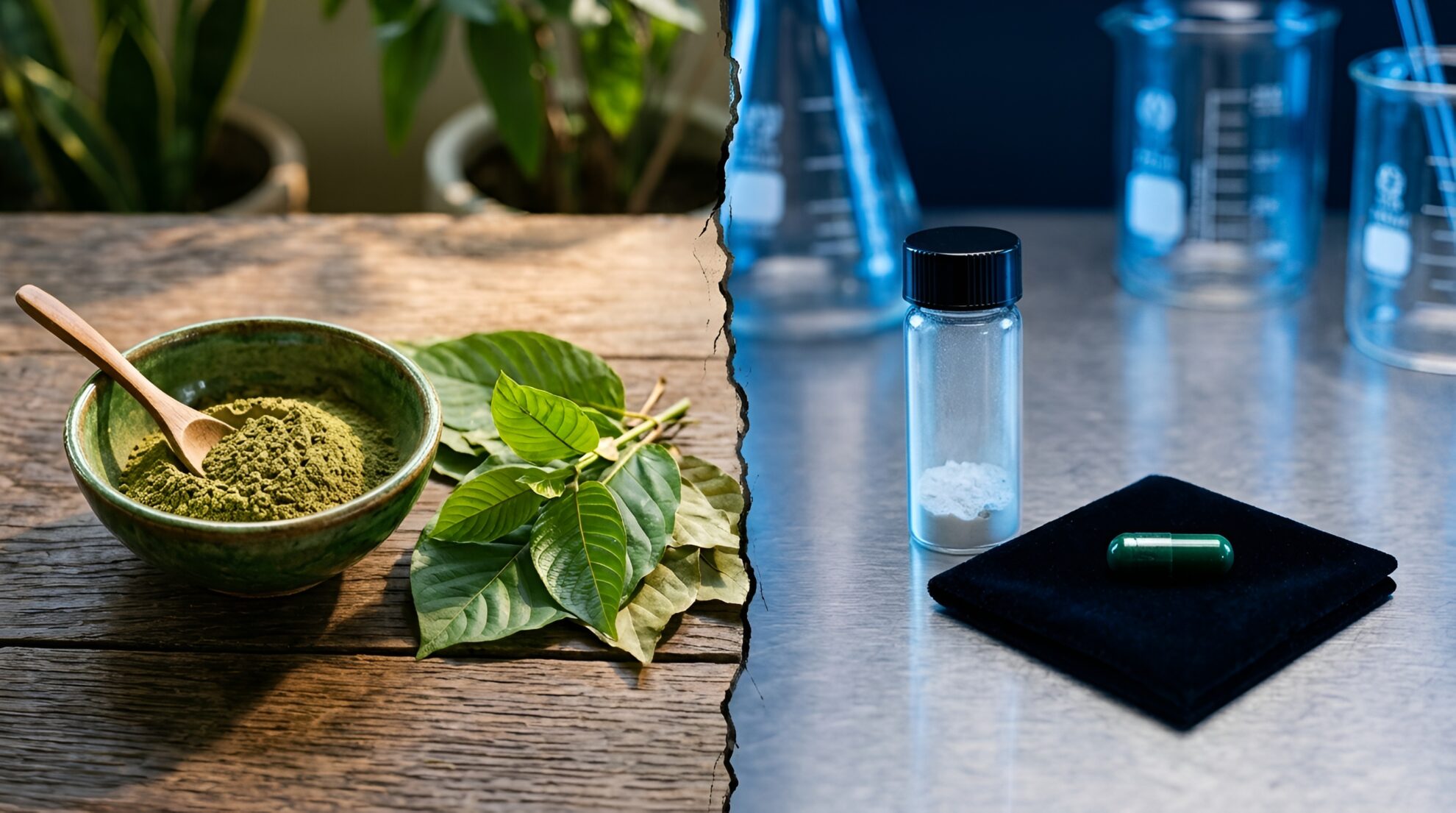
Kratom vs. 7-OH: The Distinction the Law Skips Over
The single biggest flaw in how this ban was written is that it collapses two different products into one word. Kratom leaf and concentrated 7-hydroxymitragynine (7-OH) products aren’t the same, and the “gas station heroin” panic that drove HB 1649 was really about the latter. Understanding that split is the key to understanding why this ban landed so much broader than the problem it claims to address.
What 7-OH Is and How It Differs From Kratom Leaf
The main alkaloid in natural kratom is mitragynine. It’s the compound that gives raw leaf powder its character, and it sits in the plant alongside dozens of other alkaloids in small, naturally balanced amounts. 7-hydroxymitragynine occurs in the leaf too, but only in trace quantities, often a fraction of a percent.
A wave of newer products isolate and concentrate 7-OH far beyond anything that exists in the plant, turning a trace alkaloid into the headline ingredient at potencies the leaf never produces on its own. That’s a fundamentally different product from a scoop of green vein powder. Lumping a concentrated isolate together with traditional leaf under one label is a bit like banning coffee beans because someone started selling pure caffeine pills at the checkout counter.
Why the Ban Treats Them the Same Anyway
The ban treats them identically because the word “kratom” does the legal work, and the law never bothered to define the difference. When lawmakers reached for a memorable phrase like “gas station heroin,” they were reacting to the concentrated products, but the statute swept in the whole category. This same conflation is the flashpoint behind kratom restrictions nationally, not just in Tennessee, and it’s why so many bans end up prohibiting the mild, traditional product to reach the potent, novel one. The people who lose access are overwhelmingly the ones using ordinary leaf powder, and the law drew no line to protect them.
Why This Ban Gets the Problem Wrong
We think an outright ban is the wrong fix for a real concern, and that opinion is grounded in the same voices the local news coverage already quoted. Prohibition doesn’t make demand disappear. It moves demand somewhere less safe and less accountable, and the sourced reporting on this ban makes that risk plain.
The Relapse Fear Is Real. An Outright Ban Isn’t the Answer.
The recovery community’s worry deserves to be taken seriously rather than waved away. Ashlee Krouse, a senior operations coordinator at Renew Clinic in Knoxville and herself nearly ten years into recovery from heroin, told WVLT her biggest concern is people going back to opioids after using kratom to get off them. Renew Clinic reported Knoxville’s opioid numbers trending down and worried the ban could push them back up.
Read that carefully. The clinic on the record isn’t celebrating a clean win. It’s describing a short-term risk to the exact population the ban is supposed to protect. When the people closest to addiction recovery flag a relapse risk, a blanket prohibition that removes a legal option without replacing it looks less like a solution and more like a new problem stacked on the old one. DiBrito made the same point from the business side, telling WVLT some customers “might black market it,” which is the predictable result any time legal supply vanishes but demand does not.
What Other States Did Instead
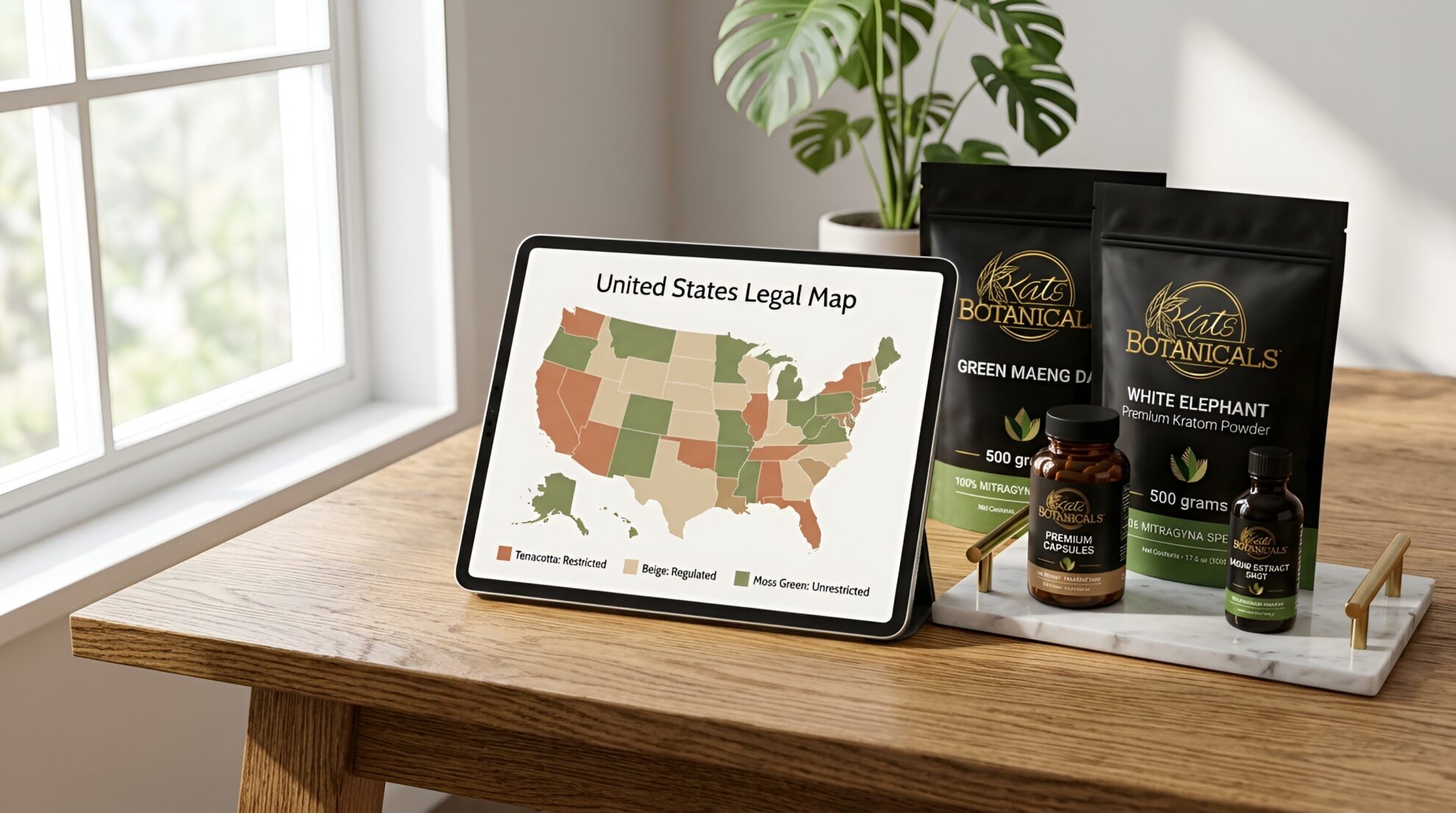
There’s a middle path between a free-for-all and a total ban, and other states have already used it: the Kratom Consumer Protection Act, or KCPA. The American Kratom Association, the trade group that advocates for kratom consumers, has promoted the KCPA model as regulation rather than prohibition. These laws typically set a 21-and-over age requirement, mandate accurate labeling and ingredient disclosure, and cap or restrict concentrated 7-OH content, which is the piece that actually targets the “gas station heroin” concern without erasing access to leaf.
Regulation gets at the concentrated-extract problem while leaving traditional powder on the shelf for the adults who rely on it. Tennessee chose the blunt instrument instead. That was a choice, not the only option available.
What Tennessee Kratom Customers Can Do Now
If you’re a Tennessee kratom customer, you have three realistic moves: source it legally from outside the state’s reach, push back through your lawmakers, and responsibly clear out anything you still have at home. None of them are perfect, and we’ll be straight about the limits of each.
Buying Kratom Legally From Outside Tennessee
Possession is illegal inside Tennessee regardless of where a product was purchased, so ordering to a Tennessee address doesn’t sidestep the ban. That’s the honest answer, and it’s why Kats Botanicals stopped shipping into the state and moved its warehouse to Kentucky rather than route product across the line. For people who spend meaningful time in a neighboring state where kratom remains legal, buying and using it there is a different situation from bringing it home. Anyone weighing this should know that crossing back into Tennessee with product puts them back under the ban, and only a Tennessee attorney can speak to their specific exposure.
Making Your Voice Heard With State Lawmakers
Laws that pass can be amended, and lawmakers respond to constituents who show up. Look up your Tennessee state senator and representative through the General Assembly’s official website, then contact them directly by phone or a district office visit. Be specific: identify yourself as a constituent and a former legal customer, and ask them to consider a Kratom Consumer Protection Act approach that regulates and restricts concentrated 7-OH rather than banning the plant outright. The American Kratom Association tracks state legislation and coordinates consumer advocacy, and adding your voice to an organized effort carries more weight than a lone message. Personal, firsthand stories from actual constituents move policy in a way that form letters do not.
What to Do With Kratom Already in Your Home
Since possession is now prohibited, holding onto product after July 1 keeps you on the wrong side of the law, so the safe move is to dispose of it. Because these are ingestible products, the cleanest disposal route is the same one recommended for unused supplements: mix the powder or capsules with something undesirable like used coffee grounds, seal it in a bag, and put it in your household trash rather than pouring it down a drain. If your concern is dependence or the physical experience of stopping, the recovery resources named in the local coverage, including Renew Clinic in Knoxville, exist for exactly that, and reaching out before you run out beats scrambling after.




)