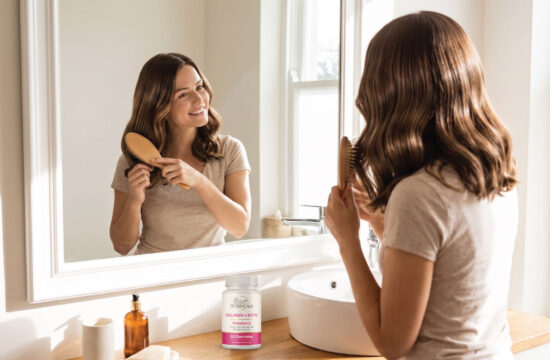
Biotin for hair growth is one of the most marketed claims in the supplement industry. Walk through any pharmacy or scroll through any wellness brand’s product listings and you’ll find hair vitamins, hair gummies, and biotin capsules promising thicker, faster-growing hair. The claims are compelling. The research, though, is a bit more nuanced.
Whether biotin actually helps with hair growth depends largely on why your hair is struggling in the first place. For some people, supplementation may make a real difference. For others, it won’t do much beyond creating expensive routines.
What Biotin Is and What It Does
Biotin is a water-soluble B vitamin, specifically vitamin B7. It functions as a coenzyme in the body, playing a role in the metabolism of fats, carbohydrates, and amino acids. It’s involved in keratin production, which is why it’s associated with hair and nail health. Keratin is the primary structural protein that makes up both.
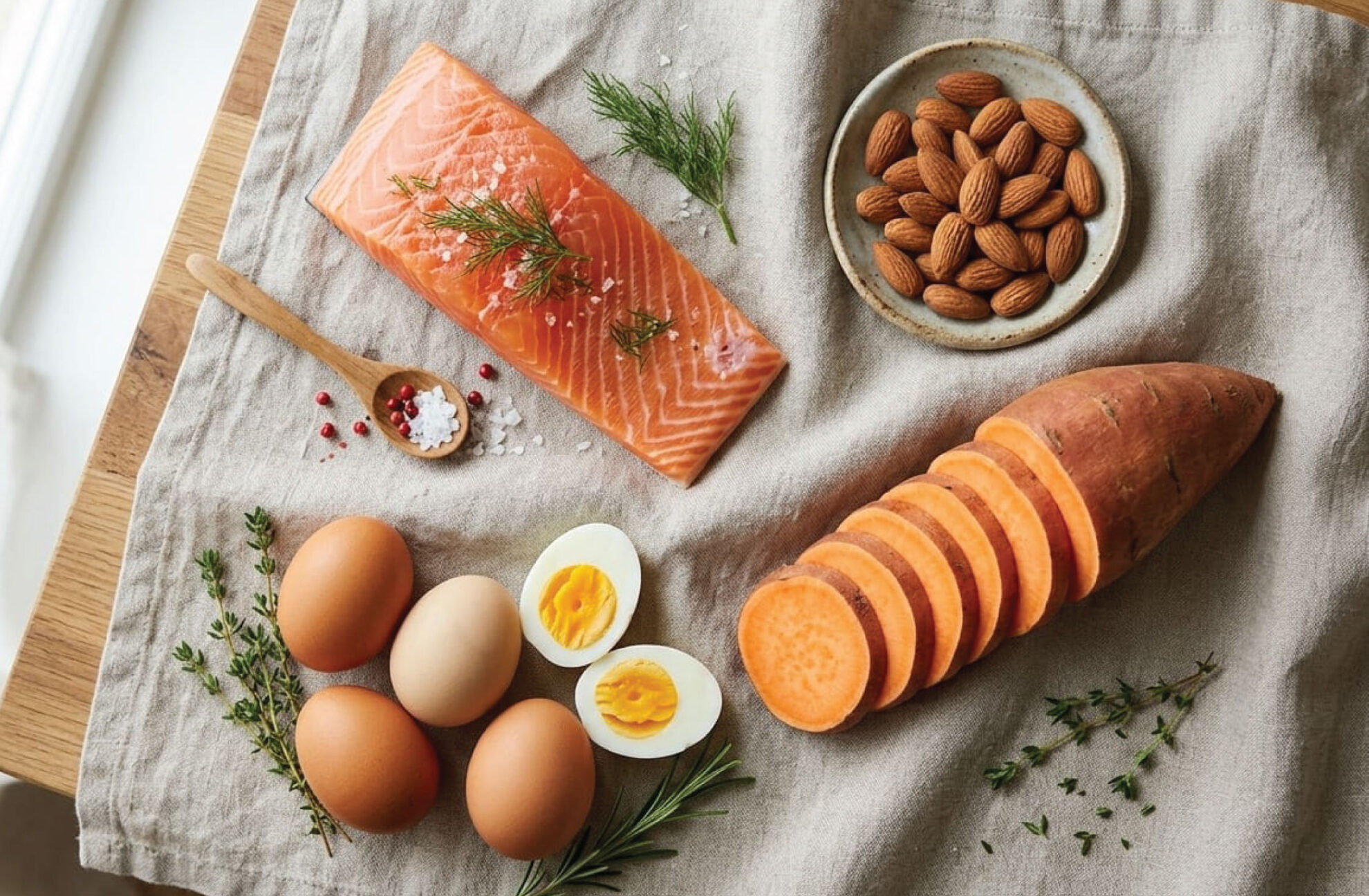
Biotin is found naturally in a variety of foods, including eggs, nuts, seeds, salmon, sweet potatoes, and leafy greens. Biotin deficiency is rare because a reasonably varied diet provides enough biotin through food alone. The recommended adequate intake for adults is 30 micrograms per day, a relatively modest amount.
The body doesn’t store excess water-soluble vitamins well. What you don’t use gets excreted, which is one reason people turn to a biotin supplement for their hair, skin, and nail health. The idea is that what the diet doesn’t provide, the supplement fulfils, with the excess being excreted harmlessly away.
When Biotin Deficiency Affects Hair
The evidence for biotin’s effect on hair growth is clearest in cases of actual deficiency. Biotin deficiency can cause hair thinning and loss, brittle nails, and skin rash. In people with confirmed deficiency, supplementation may support the return of normal hair growth.
Biotin deficiency is relatively rare in the general population, but certain groups are at elevated risk:
- People who consume large amounts of raw egg whites regularly. Raw egg whites contain avidin, a protein that binds biotin and prevents its absorption. Cooking denatures avidin and eliminates this interference.
- Individuals with genetic disorders affecting biotin metabolism, particularly biotinidase deficiency or holocarboxylase synthetase deficiency.
- People with inflammatory bowel conditions that affect nutrient absorption.
- Long-term use of certain medications, including some anticonvulsants, may deplete biotin.
- Pregnancy increases biotin demands, and some pregnant individuals may have marginal deficiency.
If you fall into one of these categories, biotin supplementation may be directly relevant to your hair health. If you don’t, the case for supplementation is weaker.
What the Research Says for People Without Deficiency
For people with adequate biotin levels, the evidence for hair growth benefits from supplementation is limited. Most clinical studies on biotin and hair loss have focused on populations with known deficiency or underlying conditions, rather than healthy adults taking biotin preventively.
A 2017 review published in Skin Appendage Disorders examined the published literature on biotin supplementation for hair and nail health. The authors found that nearly all reported cases of improvement involved individuals who had an underlying biotin deficiency or a metabolic condition affecting biotin utilization. In healthy individuals without deficiency, the evidence for biotin supplementation improving hair growth was not established.
This doesn’t mean biotin supplements are useless. It means the mechanism connecting biotin to hair growth is most active when biotin is actually lacking. If your levels are normal, adding more biotin doesn’t appear to accelerate hair growth beyond what your biology already supports.
Why Biotin Supplements Are Everywhere Despite This
The supplement market offers a variety of biotin supplements, some marketed as hair, skin, and nail growth formulas. It’s not unusual for wellness products and plant-based supplements to lean harder on anecdotal evidence than published literature. Consumers appreciate personal experience, the word of trusted friends and family, or the advice of a naturopathic provider. The key is to understand that individual results may vary, and those with lower biotin levels may see more noticeable results.
Biotin supplements are harmless for most people. Water-soluble vitamins don’t accumulate to toxic levels under normal supplementation doses. The primary documented risk from high-dose biotin supplementation is interference with certain lab tests, particularly thyroid function tests and troponin tests used in cardiac evaluation. If you’re taking high-dose biotin and have any lab work scheduled, let your healthcare provider know.
Weigh the risks vs rewards for yourself by speaking with your healthcare professional, and thoroughly read the product label looking for signs of trustworthiness in the manufacturer. A well-made, lab-tested supplement is always best.
Related reads:Biotin vs collagen for hair, skin, and nails, and the benefits of moringa supplementation.
Other Factors That Affect Hair Growth
If you’re experiencing hair thinning or loss and biotin supplementation hasn’t helped, the cause may lie elsewhere. Hair health is affected by multiple factors that biotin doesn’t address.
- Iron deficiency is one of the most common nutritional causes of hair loss, particularly in women who menstruate. Getting a ferritin level checked is a worthwhile first step to determine this.
- Thyroid function directly affects hair growth cycles. Both hypothyroidism and hyperthyroidism can cause hair thinning and loss. A simple blood panel can rule this in or out.
- Protein intake matters because hair is made of keratin, which is a protein. Chronically low protein intake can affect hair density and growth rate.
- Hormonal factors, including androgenetic alopecia (pattern hair loss), postpartum hormone shifts, and conditions like polycystic ovarian syndrome, have direct effects on hair growth.
- Daily stress at chronic levels affects the hair growth cycle. Telogen effluvium, a condition where a large percentage of hairs shift into the shedding phase simultaneously, is often triggered by physical or psychological stress events.
- Poor overall diet creates multiple nutrient gaps that affect hair growth beyond single deficiencies like iron or protein. A varied diet with adequate vitamins, minerals, and macronutrients supports the complex biology of healthy hair – like those found in our shilajit gummies. Restrictive eating patterns or processed food-heavy diets often lack these essential building blocks.
Hair loss is most effectively treated when the root cause is identified.
Related read:Does Kratom Cause Hair Loss?
When Biotin May Be Worth Trying
Despite the limited evidence for otherwise healthy individuals, biotin supplementation carries low risk and is inexpensive enough that many people choose to try it. This can make sense if you:
- Want a low-risk option while investigating other factors.
- Have ruled out iron, thyroid, or protein issues without improvement.
- Are already taking a B-complex and want biotin support.
- Lack dietary biotin intake or regularly eat raw egg whites.
- Have absorption/digestive issues that may limit uptake.
If you do try it, the doses in most hair supplements (2,500-10,000 mcg) are far above the daily adequate intake of biotin (30-100mcg) as recommended by the experts at Mayo Clinic. While generally safe to take larger amounts, there’s little evidence showing these amounts are necessary.
Biotin + Collagen for Complementary Support
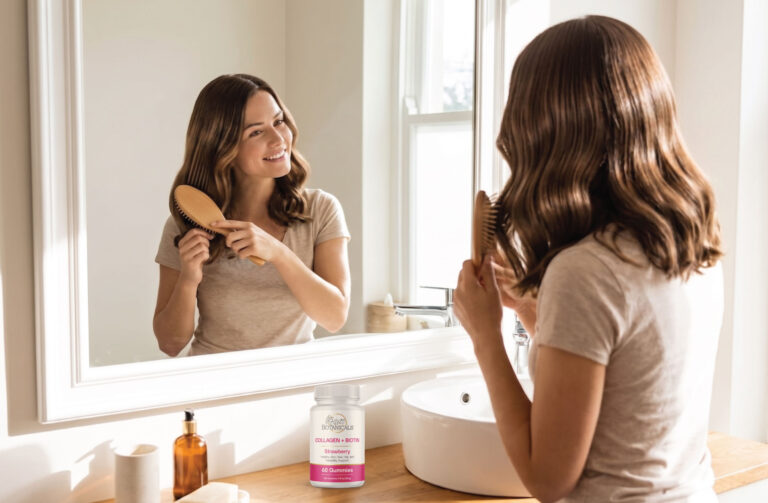
Kats Botanicals offers a variety of botanical supplements designed to support a well-rounded wellness routine. From our CBD isolates, to Turmeric Capsules, to yes, a biotin supplement, but with a collagen boost!
Biotin is key for keratin synthesis, the protein in hair, skin, and nails, while collagen supplies the structural amino acids these tissues need. When paired, these two botanicals may work toward shared goals by different pathways. It just makes sense to offer them in one easy supplement.
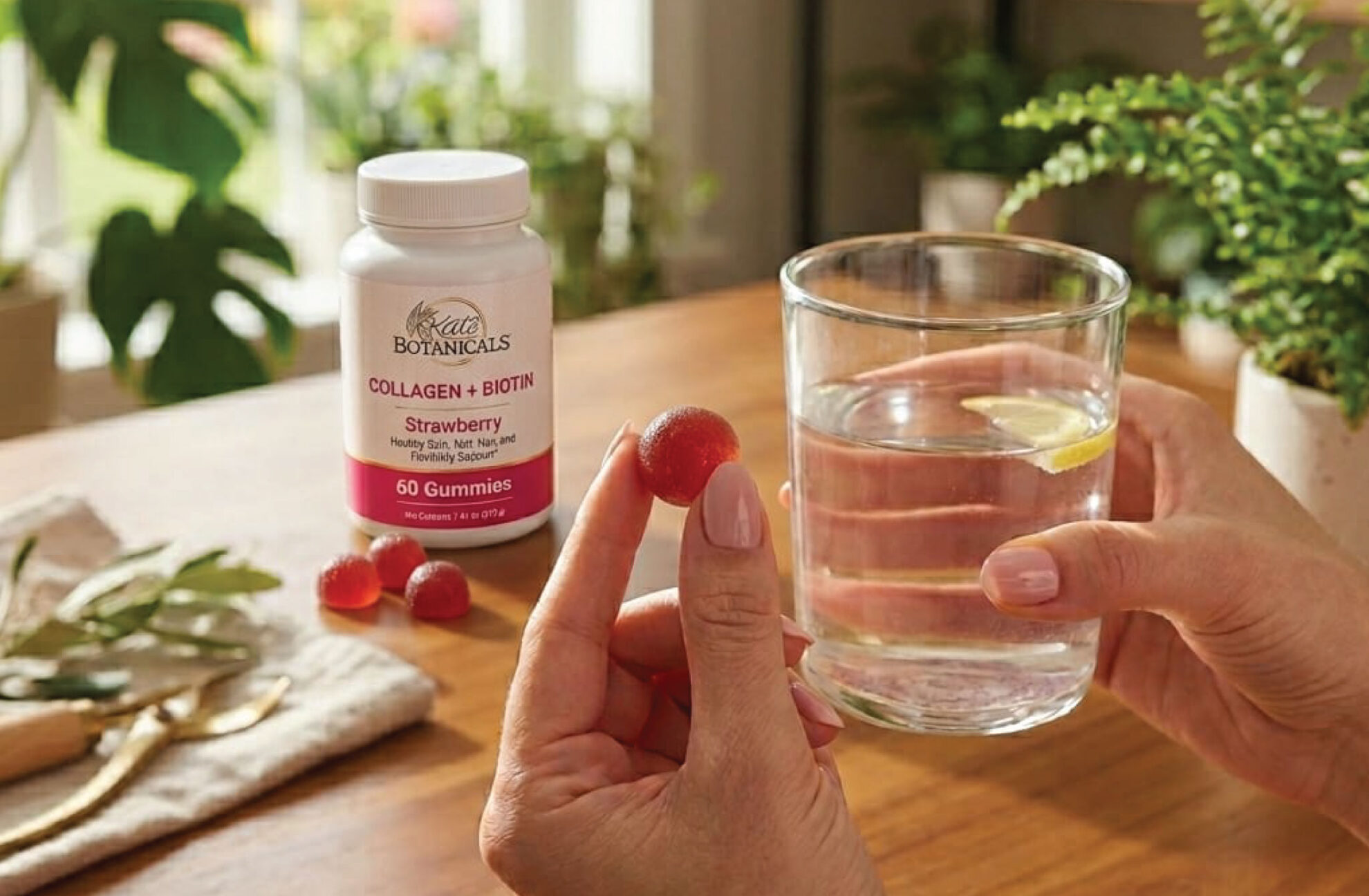
Biotin & Collagen Gummies: Each serving of two gummies contains 100 milligrams of collagen and 5 milligrams of biotin. As always, you can expect the same safety care and innovation, lab-testing, and source transparency as with our extensive line of botanical supplements.