

Kratom’s legal status in the U.S. can vary widely from state to state. Indiana is among states with an evolving approach toward Kratom, and how it may be regulated. Is Kratom legal in Indiana? In 2025 – visiting the Hoosier State might mean leaving your Kratom at home.
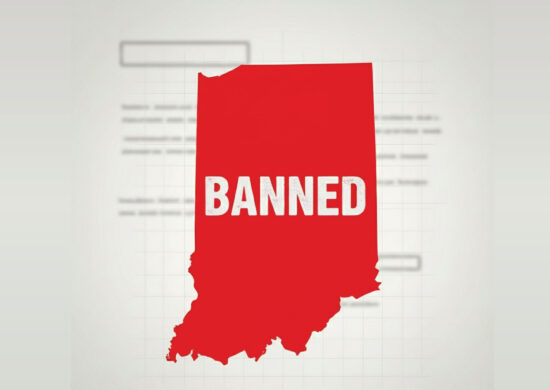
Currently, Indiana has a statewide ban on Kratom. But this may change if SB1542 passes.
Indiana Kratom Law: As of October 2025, Kratom is fully illegal in Indiana. Under Indiana Code § 35-48-4. Classified as a Schedule I analog. Since Kratom is restricted under Indiana law, it cannot be sold, possessed, or consumed within the state.
This ban makes Indiana one of only a few states with a full Kratom prohibition. However, advocacy efforts continue to push for legislative reform. If passed, the Kratom Consumer Protection Act (KCPA) could one day reverse the ban and bring regulated access back to consumers. Below, we’ll break down the legality of Kratom in Indiana. We’ll cover the law’s history and what this means to you as a Kratom user. We’ll also cover what residents need to know before buying Kratom online or in neighboring states.
Quick Answer: Is Kratom Legal in Indiana in 2025?
As of October 2025, Kratom is illegal in Indiana. The state classifies Kratom’s primary alkaloids, Mitragynine and 7-Hydroxymitragynine, as controlled substances. Under Indiana Code § 35-48-4. Kratom products cannot be sold, possessed, imported, or consumed legally.
What is Kratom? Learn all about Mitragyna speciosa.
Several U.S. states have passed laws to regulate Kratom safely through the Kratom Consumer Protection Act. However, Indiana remains one of the few states that maintains a complete ban. The American Kratom Association (AKA) and other advocacy groups have proposed legislative updates. But, so far, no bill has overturned the 2014 prohibition.
Indiana Kratom Legal Summary (2025)
| Category | Legal Status |
| Kratom Possession | ❌ Illegal |
| Kratom Sale or Distribution | ❌ Illegal |
| Minimum Age | Illegal for all ages |
| KCPA Status | Proposed, yet not enacted, to date |
| Neighboring States (e.g., Kentucky, Illinois) | ✅ Legal / Regulated |
| Enforcement | Statewide ban under Schedule I analog law |
Anyone caught possessing or selling Kratom in Indiana can face misdemeanor or felony charges. This depends on the quantity and intent to distribute. The penalties align with those for controlled substance analogs. Until laws change, Kratom cannot be purchased in stores or shipped legally to Indiana addresses.
 Indiana Kratom Laws: A Brief History
Indiana’s Kratom ban dates back to 2014, when the state legislature passed (now inactive)Senate Bill 305. This added Mitragynine and 7-Hydroxymitragynine to the list of controlled substances.
The law banned all forms of kratom, including powder, capsules, and extracts. It treated these natural plant compounds as if they were synthetic drugs.
The move was controversial from the start. At the time, limited public data existed on Kratom’s use and safety, leading lawmakers to err on the side of prohibition. No bill to decriminalize or regulate Kratom has made it to the governor’s desk in Indiana. As of 2025, Indiana remains one of six U.S. states with a total ban, alongside Wisconsin and Vermont.
Over the past decade, the American Kratom Association and local advocacy groups have worked to educate on the plant’s benefits and safe use. Advocates work to reverse unfair Kratom classifications and encourage legal, responsible use.
Among the most cited support for legal Kratom use and research are:
- National Institute on Drug Abuse (NIDA) studies Kratom’s medical potential. Their research shows Kratom may ease pain and help with opioid withdrawal. NIDA says Kratom is not yet proven safe or effective as medicine. But they keep studying how it works and what it might help with.
- Frontiers in Pharmacology journal published a comprehensive review on Kratom’s safety and toxicology. The report stresses Kratom’s complex pharmacology (and the need for more research). The report also acknowledges the therapeutic potential for some individuals. Notes few risks under typical use.
- Science Direct has a great article analyzing Kratom’s potential therapeutic effects. Notes typical products present few risks, especially in non-polysubstance use.
- NIH reported on ongoing Kratom research. The study aims to link Kratom’s effects with the chemical makeup of Kratom products. Research like this helps improve public perception, a key factor in legislative efforts.
In Indiana, the conversation is shifting. Multiple legislators have expressed openness to revisiting the law under a structured Kratom Consumer Protection Act law. If lawmakers would approve it, KCPA legislation could replace the ban with regulated access. Rhode Island did this very thing – overturning a Kratom ban and implementing KCPA regulation – just this year.
House Bill 1542: Proposed Kratom Regulation in Indiana (2025)
Kratom is currently scheduled in Indiana as a Schedule I analog, but what is that?
A Schedule I analog classification means that a substance is structurally or pharmacologically similar to a Schedule I controlled substance. It is treated as such under the law, even if not explicitly listed. Schedule I drugs are defined as having no accepted medical use and a high potential for abuse. Declaring Kratom alkaloids as Schedule I analogs means they are illegal with strict penalties.
A new bill aims to change this.
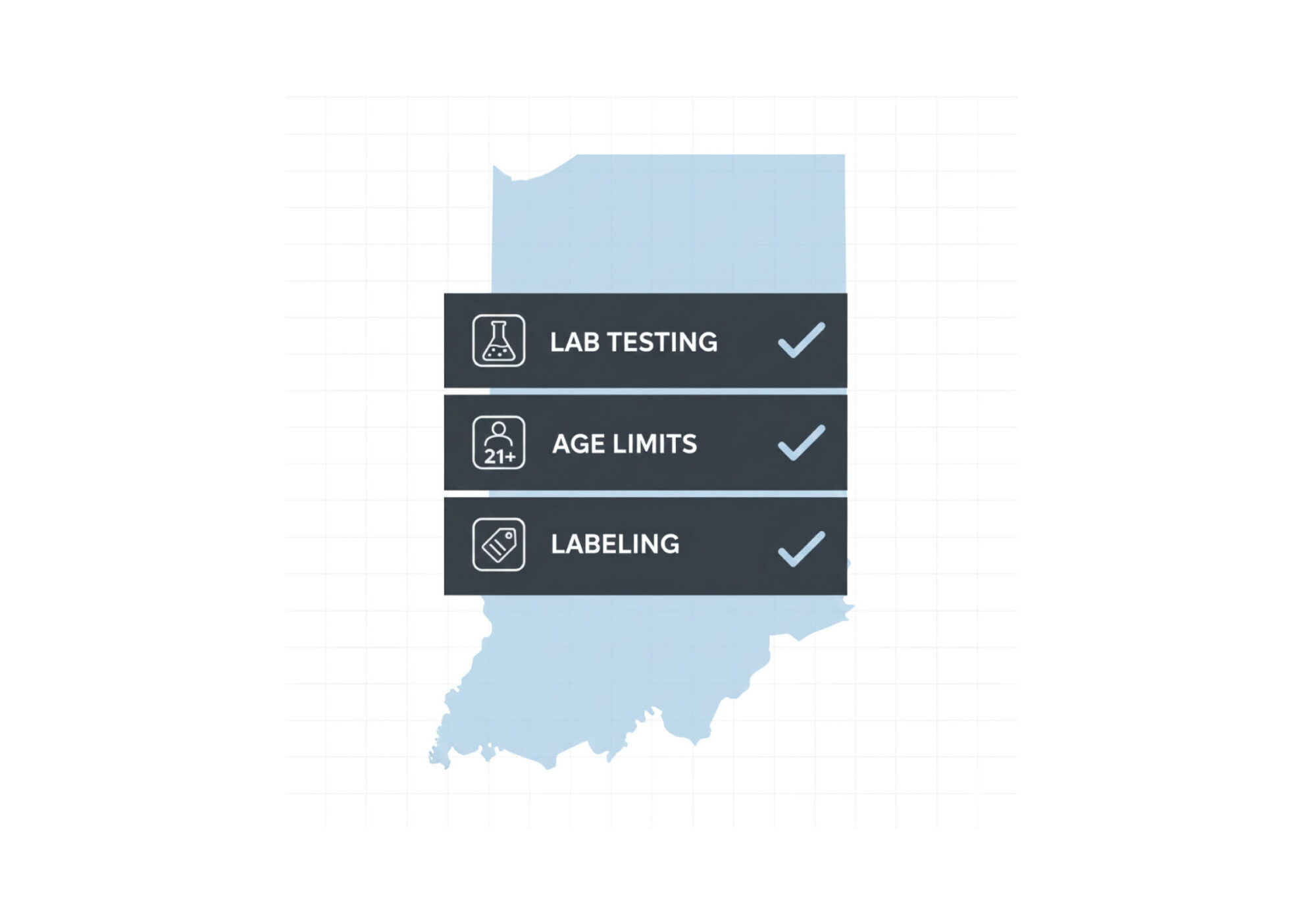
House Bill 1542 was introduced in the Indiana legislature in January 2025. It aims to regulate Kratom sales and end the statewide ban. The bill would require Kratom sellers to register. It would ban sales to anyone under 21. Sellers must verify age before selling. The law would also require clear labels and set limits on what can be in Kratom products. Those who break the rules would face penalties.
The bill also proposes a Kratom Regulation Fund to support enforcement. Despite these efforts, HB 1542 has not passed and remains inactive in committee as of October 2025. Indiana continues to ban Kratom under current state law until any future legislation changes this stance. If you want to advocate for access to legal Kratom in Indiana, see our guide to Kratom advocacy.
What the Kratom Consumer Protection Act Means for Indiana Buyers
If enacted in Indiana, the Kratom Consumer Protection Act (KCPA) would set clear safety and quality rules for legal Kratom products. States like Florida, Utah, and Texas have already adopted similar versions. These laws don’t promote Kratom, but make sure it is sold responsibly. Responsible vendors comply and contribute transparency, further advocating for an educated consumer base.
Under the KCPA, vendors must:
- Sell Kratom only to adults over 18 or 21 (depending on the state).
- Conduct lab testing, which includes screening for microbes, contaminants, and heavy metals.
- Disclose precise, fullingredients and alkaloid content.
- Provide Certificates of Analysis (COAs) from independent labs.
- Comply with Good Manufacturing Practices (GMP) to ensure safety and consistency.
If Indiana were to pass its version, Kratom could return to the state under strict oversight. This oversight ensures less risky products and more open information for the consumer, a win-win for botanical users. For now, residents can only look to these reforms as models for what responsible Kratom regulation could look like in the future.
See the legal status of Kratom in other states.
Can You Legally Buy Kratom in Stores in Indiana?
Unfortunately, you cannot legally buy Kratom in Indiana stores. Head shops, gas stations, and smoke shops are prohibited from selling any product that contains Kratom or its alkaloids. The ban applies to all retail formats, including powders, extracts, capsules, and gummies.
Before 2014, Kratom was widely available in convenience stores across the state. These products were removed following the ban. Indiana consumers can turn to legal neighboring states like Illinois and Kentucky. But even under those regulatory frameworks, transporting back to Indiana is illegal.
Black market/underground label) Kratom products may be available, but often at great health risk and cost. It’s never safe or advisable to purchase any underground botanical products. Without lab testing or oversight, users risk exposure to contaminants or synthetic additives. Responsible buyers should avoid purchasing any Kratom within state lines until legality changes.
Learn about advanced Kratom alkaloids and synthetic Kratom.
Is It Legal to Buy Kratom Online in Indiana?
Indiana laws on Kratom also prohibit shipping to the state. Therefore, it is not legal to order Kratom online and ship it to an Indiana address. Vendors who do so are violating laws on controlled substances for the state of Indiana. Purchasing this way does not shield you from legal penalties or law enforcement proceedings.
Kats Botanicals will not ship to states where Kratom products are illegal. Kats Botanicals is fully equipped to offer compliant Kratom products to Indiana customers – and we will, as soon as the law allows it.
 What to Look for in a Legal Kratom Vendor
For states where Kratom is legal, choosing a compliant vendor is key to safety and quality. Responsible vendors like Kats Botanicals follow strict standards. These align with the American Kratom Association’s GMP program, including:
- Batch-level third-party lab testing for purity and alkaloid balance.
- Transparent COAs (Certificates of Analysis) available to the public.
- Age verification and clear product labeling.
- Ethical sourcing and traceability back to Southeast Asian farms.
Kratom is not regulated by the FDA. This means there are bad players and bad products out there to avoid. Purchasing these may risk your health or your wallet. You do not want to consume products with inconsistent alkaloid levels, heavy metals, or synthetic additives. Or waste your money on products full of trash ingredients.
This is why national advocates continue urging states to replace bans with regulated frameworks. This is the best way to protect consumers while allowing safe access to Kratom.
Where to Buy Kratom in Indiana (Safely)
Until the law changes, there is no safe or legal way to buy or use Kratom in Indiana.
When purchasing legal Kratom products to use while staying in compliant states, verify purity:
- Request lab test results for every batch.
- Avoid unlabeled or suspiciously cheap products.
- Choose vendors with clear refund policies and GMP certification.
If Indiana eventually passes the KCPA, Kats Botanicals will be among the first to offer compliant Kratom to Indiana residents. Kats Botanicals has been ensuring the same standards trusted by customers nationwide since 2016.








)