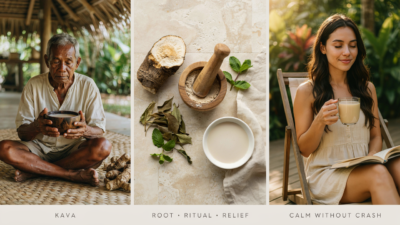
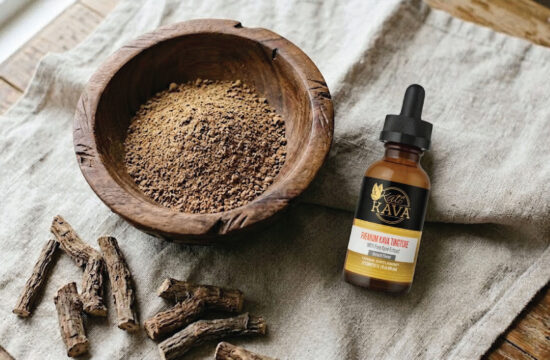
Kava has been prepared the same basic way in the South Pacific for thousands of years: grind the root, add water, strain, drink. Simply put: it works.
The problem is that you might drink one cup and feel profoundly relaxed. The next batch, made the same way, does noticeably less. This inconsistency is a common issue with trending botanical ingredients, which can vary depending on the plant variety, root age, and preparation method. In the case of Kava, varying kavalactones can affect the soothing strength of your cup.
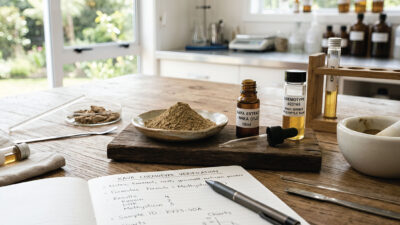
We solve this variability by standardizing the active compounds; in other words, with a little science. We simply pull out the active compounds and measure them to produce Kava extract. These extracts can then be used to make kava extract tinctures, or to create other ways to take Kava (think Kava gummies, shots, powders, and even Kava softgels).
Kava extracts reduce the bulk of powdered root and result in predictable product strengths. You know what you’re getting from one cup or capsule to the next. Here’s what that actually means, and why it matters.
What Kava Extract Is
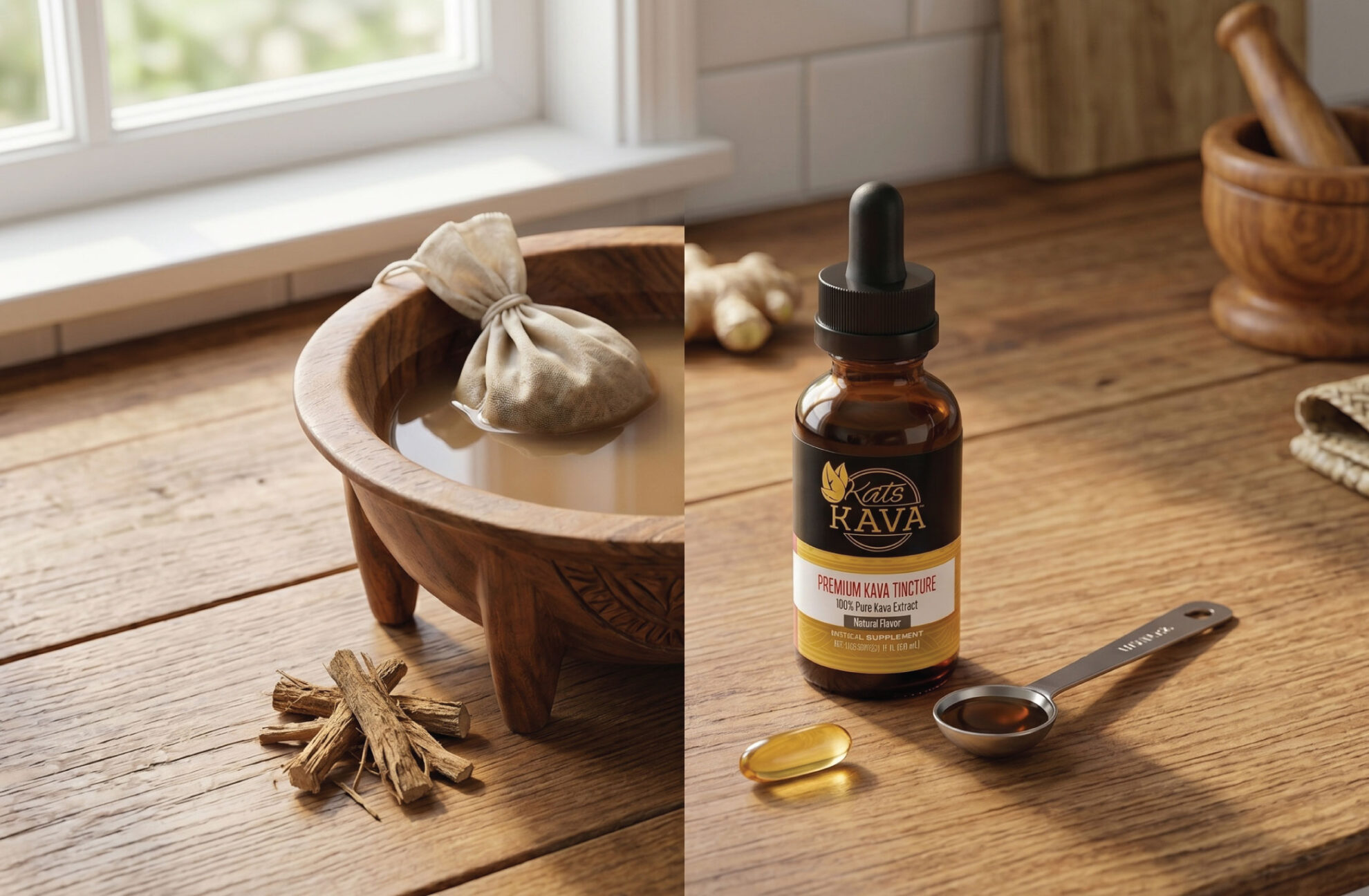
Kava extract is Kava root that has undergone a concentration process to isolate its primary active compounds: kavalactones. Where traditional powdered root contains somewhere between 3% and 15% kavalactones, depending on the plant and preparation, a standardized extract specifies that percentage. A 30% Kava extract, for example, means 30% of the product by weight is kavalactones.
What’s the difference between regular Kava root powder and Kava extract?
| Feature | Standard Kava Powder | Kava Extract |
| Source | Crushed & dried root from Piper methysticum | Crushed & dried root from Piper methysticum Another step: Lab isolation protects the integrity of the kavalactones, isolating them for concentration |
| Physical features | Grind size determines solubility and can affect absorption. | Can come in liquid or powder form. Liquids generally suspend the extract, but powders are also made to “hold” the very tiny extracted compounds. |
| Flavor & texture | Product contains fibrous material and flavonoids which affect smoothness and taste—resulting in bitterness or grit. | Just active kavalactones—no bulky or bitter root fibers. Means less bitterness. |
| Standardization (consistency among batches) | Hard to standardize. Batches (regional, seasonal differences, etc.) are tested to show the kavalactone content of the current harvest. | Standardized. Meaning each product contains the exact lab-verified kavalactone concentration and profile. |
Traditional Kava root is a full-spectrum product, which contains a broad range of compounds such as kavalactones, flavokavains, plant fibers, starches, minerals, and other secondary constituents that contribute to its overall composition, even if they are not directly responsible for its primary effects.
When consumed traditionally, Kava root powders provide a robust experience from start to finish. For variability, flavor, and in-the-moment experience, use powders for traditional Kava teas. While powders are often preferred in social settings, Kava extract products can simplify the day-to-day with predictable results and a simplified routine. Extract products also work well for those who simply don’t like the taste of Kava.
Recommended Read: What Is a Kava Bar Like? A First-Hand Look at Kava vs Kratom Bars
How the Extraction Works
There are two main approaches to Kava extraction, and they produce meaningfully different products.
- Single-phase extraction uses either water or alcohol as the solvent. Water-based extracts pull out the water-soluble kavalactones and reflect traditional Kava preparation closely. Alcohol-based extracts capture fat-soluble kavalactones that water-based extracts miss, producing a more complete compound profile but one that diverges from traditional use patterns.
- Dual extraction uses both. The root is first extracted with water to capture naturally emulsified and water-soluble kavalactones, building a full-spectrum base that mirrors the traditional preparation. Then, food-grade alcohol (typically ethanol) pulls the fat-soluble fraction. The two are combined, then carefully concentrated. The result covers both categories of active compounds in a single product.
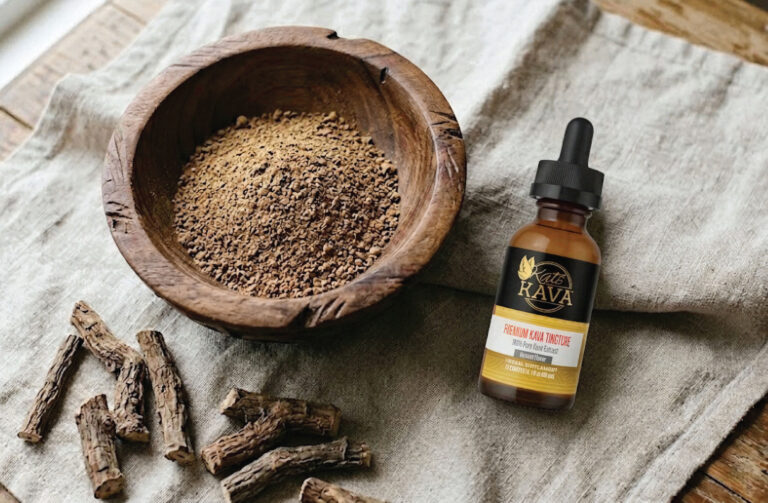
After extraction, the liquid is dried down through low-heat evaporation into a powder or paste. That’s what gets encapsulated, added to drinks, or formulated into tinctures – like these Kats Kava extract tinctures for sale.
What the Percentages Mean
The percentage on a Kava extract label refers to kavalactone concentration. This is the figure that actually tells you something useful about potency.
| Extract Type | Kavalactone % | Best For |
| Traditional root powder | 3–15% | Traditional preparation, full ritual experience |
| Low-potency extract | 15–30% | Beginners, daily use, consistent moderate effects |
| Mid-range extract | 30–55% | Experienced users, precise dosing |
| High-potency extract | 60–70%+ | Rare; not recommended without established tolerance |
A 30% extract works well for most daily Kava users. Start off slow at first, gauging your body’s response.
The Six Kavalctones Worth Knowing
Kava researchers have identified 18 kavalactones in total, but six account for the majority of the plant’s effects. Most standardized extracts are measured against these six.
- Kavain: The kavalactone most associated with Kava’s mood-lifting and sociable qualities. It’s thought to interact with sodium and calcium channels in a way that may promote calm without heavy sedation.
- DihydroKavain: Similar structure to kavain, with some evidence for mild sedative properties at higher concentrations. Often found alongside kavain in most Kava varieties.
- Methysticin and dihydromethysticin: These two work in tandem and may contribute to Kava’s muscle-relaxing and calming effects. Dihydromethysticin in particular has been studied for its potential anxiolytic properties in animal models.
- Yangonin: The kavalactone most closely studied for its interaction with cannabinoid receptors, though research here is still in early stages.
- Desmethoxyyangonin: Present in smaller amounts, with some preliminary data suggesting it may influence dopamine pathways.
The chemotype (the particular Kavalactone ratio) varies by Kava cultivar. Noble Kava varieties tend to favor Kavain and dihydroKavain. These are the types of Kava preferred for traditional Pacific ceremonies and considered safe for regular consumption. Non-noble or “tudei” Kava strains lean heavily on dihydromethysticin and have a stronger, longer-lasting effect that isn’t appropriate for daily use.
Kava Root vs. Kava Extract: Which to Choose
Kava Root and Kava extract are both useful, depending on what you want from your Kava experience.
Traditional Kava root powder offers a cultural and sensory experience that extracts can’t fully replicate. The ritual of preparation (measuring, mixing, straining through a cloth, sharing with others) is part of what Kava has meant to Pacific communities for millennia. Some users find that whole-root preparations feel different from extracts, even at equivalent kavalactone doses, possibly because the full compound matrix interacts differently than a concentrated fraction does.
Kava extract gives you precision. It’s easier to dose, faster, and more consistent batch to batch. For someone using Kava for a specific purpose (a calmer evening, a less anxious social situation, better wind-down before sleep), an extract removes a layer of guesswork.
Micronized Kava root sits somewhere between the two: it’s whole root, ground finely enough to fully dissolve in water, which improves the absorption of naturally occurring kavalactones without a formal extraction step. Worth knowing if you want something closer to traditional preparation without the straining process.
Kava Extract Product Types
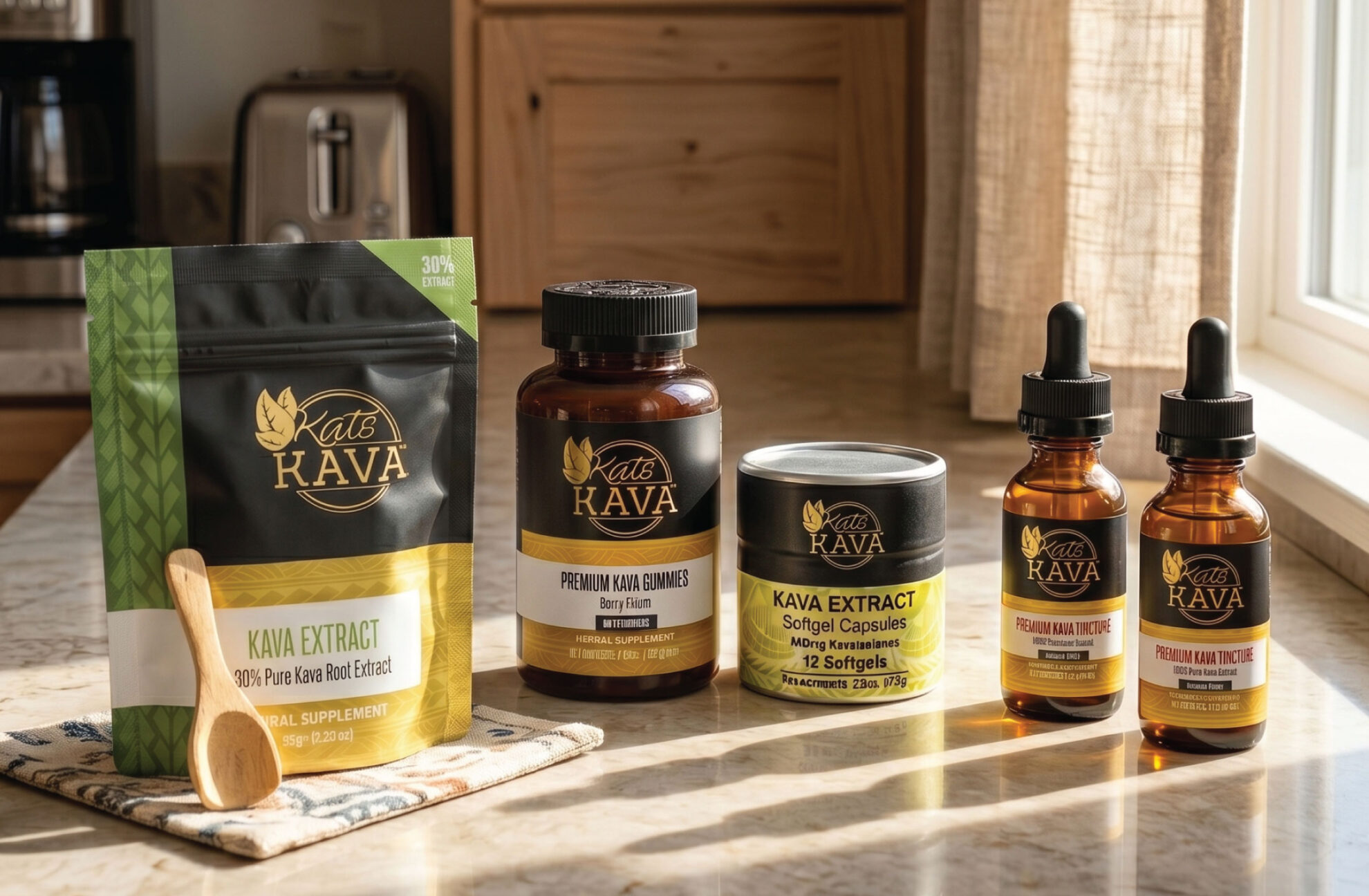
Kava extract is used in several of our Kats Kava products, in a few different formats. This way, you can choose the products you enjoy using or stock your cabinet with several options.
- 30% Kava Extract Powder: For standardized Kava tea powders, micronized for a smooth experience.
- Kava Gummies: Deliver 50mg Kava Extract per gummy for a tastier way to chill. See what are kava gummies for more info.
- NEW! Kats Kava Extract Softgels: 45mg kavalactones per softgel, these fit any moderate to experienced Kava user for consistent strength in an easy-to-swallow format.
- Kratavfusion Kava Kratom Shot: The fusion of Kava and Kratom extracts creates a combined social vibe that users can enjoy on the go in easy shot format. Each shot also contains L-Theanine and Ashwagandha.
Kava and Kratom are often compared or used together. See our comparison guide to Kava and Kratom for an in-depth look.
Safety Considerations
Kava’s been safely enjoyed in Pacific traditions for generations, but as with all botanicals, you’ll want to use it mindfully. First, discuss Kava use with your doctor, especially if you have health conditions, liver concerns, or take medications. When taking Kava, start with a lower dose to see how your body responds. Take it with food if you have a sensitive tummy, or reduce the dose. Some Kava users love adding ginger to their Kava teas.
Recommended Read: Is Kava Lega in the US?
Though Kava is generally well-tolerated at sensible doses, chronic heavy use can lead to skin changes (kava dermopathy, which reverses when you cut back), unusual fatigue, or ongoing digestive upset.
Signs you may be overusing Kava:
- Skin changes (a condition called Kava dermopathy, which typically resolves with reduced use)
- Unusual fatigue
- Persistent digestive upset/issues
See the tips below for choosing products that help ensure your safe use of Kava. And don’t forget to check out our detailed guide on where to buy kava near you!
How to Evaluate a Kava Extract Product
Most of what separates a good Kava extract from a poor one comes down to sourcing and testing. A few things to look for: If shopping for Kava is overwhelming, between all the different types and marketing buzz words, here’s your quick shopping checklist:
- Noble Kava designation = higher quality cultivars.
- Root only sourcing = traditional & safest parts of the plant.
- Third-party lab testing = unbiased & thorough.
- Good labels = informative, shows exact dosing recommendations & concentrations
- Certificate of Analysis available = see exactly what’s in your Kava!