
If you are changing jobs, starting a new prescription, or planning a tolerance break, it helps to know how long Kratom stays in your system.
Most people clear Kratom’s alkaloids within a week. But the exact window depends on the dose, potency, individual metabolism, and the type of test used. The effects often fade within hours, but some laboratory methods can still detect Kratom metabolites in your system.
This guide explains realistic detection windows for how long it takes Kratom to clear your body. We’ll explain why some tests find Kratom and others do not. That has a lot to do with how Mitragynine is metabolized, but other factors can slow or speed elimination.
Let’s get you ready for what to do if you have a drug test on the calendar.
Detection Windows for Kratom
Kratom’s primary alkaloid is Mitragynine. After ingestion, a portion of Mitragynine converts to 7-Hydroxymitragynine and other downstream metabolites. All of these are excreted in the urine over time. Their effects usually last 4 to 6 hours, but the detectability of these alkaloids may last longer.
| Test Type | Typical Window | What To Know |
| Urine | 3 to 7 days | Urine is the most common matrix for workplace and program testing. Targeted assays can look for Mitragynine and its metabolites. |
| Blood | Up to 24 hours | Blood has a short window because it reflects current or very recent use. It is rarely used for Kratom alone. |
| Saliva | About 1 to 2 days, limited data | Oral fluid testing for Kratom is uncommon and less standardized. Sensitivity varies across labs. |
| Hair | Up to about 90 days | Hair captures a history of exposure. Hair testing is unusual for Kratom and typically reserved for forensic contexts. |
Detection windows vary depending on the test type, individual metabolism, dose, frequency, and Kratom product potency.
Why Urine Tests Are Relied Upon the Most
Urine consolidates metabolites as the body clears them. This stretches the detection period beyond the brief windows seen in blood or saliva. That makes urine the practical choice for employers and athletic programs. These programs want to see recent use over several days rather than the last few hours.
Why Saliva and Hair Screening Are Less Common for Kratom Detection
Oral fluid methods for Kratom are not widely used due to their very brief detection window. Hair testing is costly and usually limited to legal investigations or research.
Does Kratom Show Up on a Drug Test?
Most routine workplace drug tests are standard 5-panel and 10-panel screens. These typically do not test for Kratom alkaloids. These panels target substances such as cannabis, cocaine, opioids, amphetamines, and PCP.
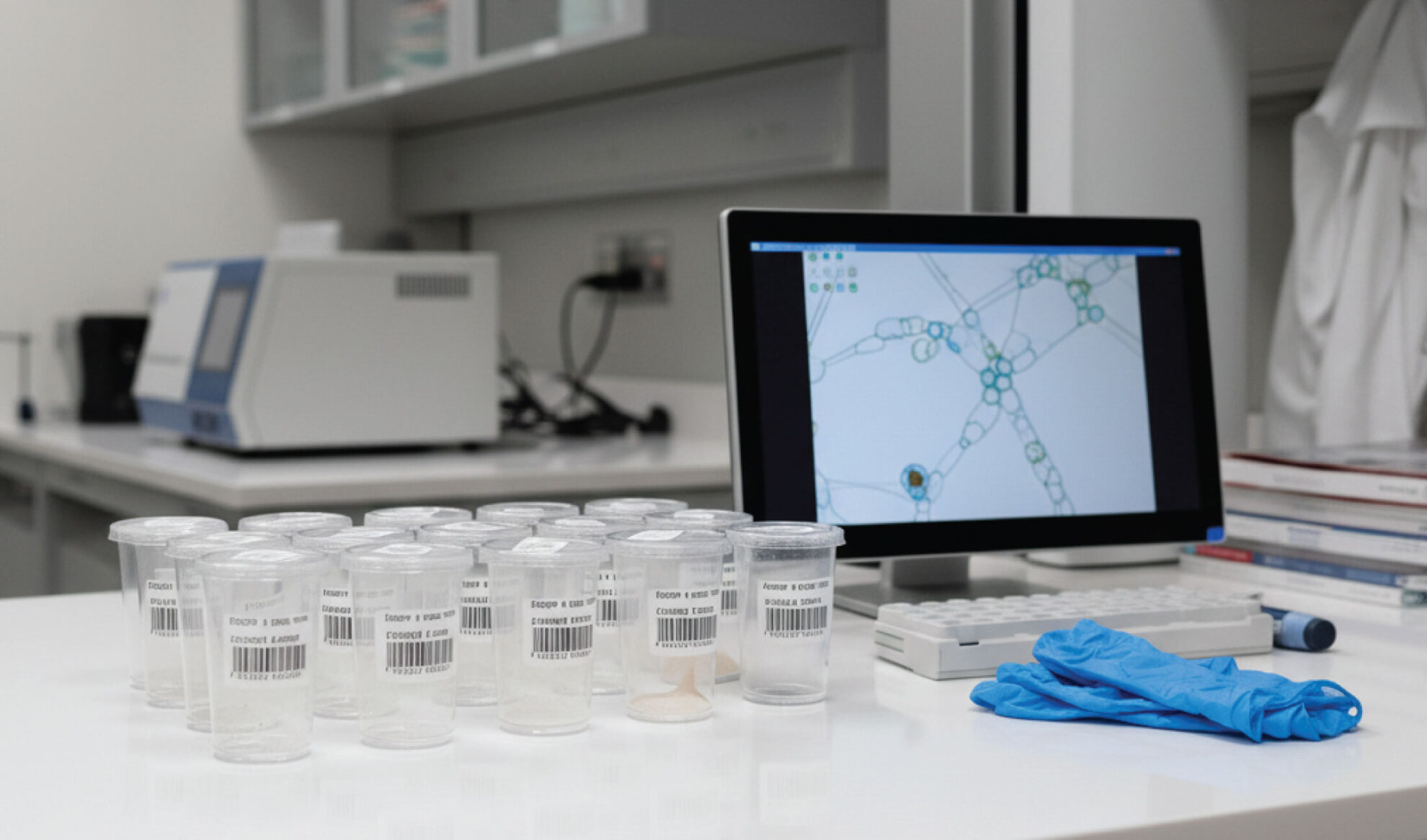
Some employers or legal programs, however, may order expanded or specialized tests. The most accurate option is liquid chromatography–mass spectrometry (LC-MS/MS). This test can specifically detect Kratom alkaloids like Mitragynine. These tests are less common because they are more expensive and require a request.
Where Kratom Testing Is More Likely
Kratom drug testing is occasionally requested in specific contexts, such as:
- Pain management clinics
- Addiction or treatment programs
- Legal or forensic cases
Related read: Does the Military Test for Kratom?
False Positives and Disputed Results
Initial immunoassay screens are fast but not specific to Kratom. This may result in a potential false positive for opioids. If your result seems inaccurate, ask the lab for a confirmatory LC-MS/MS test. This type of testing can distinguish the chemical signatures of Kratom vs opioids. More specifically, they can identify Mitragynine and 7-Hydroxymitragynine.
Requesting LC-MS/MS testing can resolve the discrepancy.
Kratom Half-Life and Metabolism
Understanding how long Kratom stays in your system starts with pharmacokinetics. After you ingest Kratom, it follows a path known as ADME:
- Absorption
- Distribution
- Metabolism
- Elimination
Note: All Kratom that is ingested must be metabolized and eliminated. If you are vaping Kratom, there is much less information on how much Kratom you are consuming. Therefore, it is difficult to accurately predict detection windows.
Absorption and Distribution
Mitragynine is absorbed through the gastrointestinal tract. It takes about an hour (for most users) for it to reach the bloodstream, and you start to feel the effects. Peak effects occur during the first few hours. This is when the compounds circulate in the bloodstream and cross the blood-brain barrier.
Kratom compounds enter your metabolism at different speeds. Traditional Kratom powder, for example, can take about an hour. But if you want something faster, try liquid Kratom Venom Nano shots for on-the-go relief within a half hour.
Metabolism in the Liver
The liver processes Mitragynine using enzyme systems that also handle many prescription drugs. During this step, some Mitragynine converts to other alkaloid metabolites. Enzymes help break them down before they are eliminated in the urine.
This means the liver does much of the work in metabolizing Kratom compounds. Impaired liver function can slow the rate of clearance.
Concerned about your liver and Kratom use? ScienceDirect has an informative article on the topic that provides more detail. Kratom-induced acute liver injury: A case study and the importance of herbal supplement regulation.
Biphasic Elimination and Half-Life Range (Effects vs Detectibility)
Elimination follows a biphasic curve: an initial rapid decline followed by slower processing. This is why trace metabolites can still be detected in urine after the effects have worn off. Mitragynine’s half-life ranges from about 4–6 hours to roughly 24 hours. Potency, dose, and your body’s physiology can all impact this.

What Factors Affect How Long Kratom Stays in Your System?
The general range of three to seven days assumes moderate use of typical powder or even Kratom capsules. Several variables can shorten or lengthen that range.
Dose and Frequency of Use
Higher doses place more strain on the liver. Frequent dosing stacks servings before the previous one is fully metabolized. Occasional users tend to clear Kratom faster than those who take multiple servings daily. Learn about Kratom dosing so you always take Kratom responsibly.
Product Type, Potency, and Strain
Extracts, enhanced Kratom powders, and gummies deliver more alkaloids per gram than plain leaf. This extends detection time, especially when concentrated servings accumulate over repeated use. Potent strains such as Maeng Da Kratom Strain also contain more Mitragynine per gram than milder varieties. Overall, stronger strains or products may take the body longer to eliminate.
Physiology and Body Composition
Age, weight, genetics, hydration status, and sleep all affect metabolism. Mitragynine is lipophilic, which contributes in two ways. Eating or drinking fatty foods and beverages may extend the metabolism of Kratom. People with higher body fat may show slightly longer detection, particularly with heavy, repeated use.
Liver Health
The liver is the main site of Kratom metabolism. Healthy function helps shorten clearance times, while impairment slows them.
NIH has covered instances of liver injury where kratom may have played a role. Learn more about kratom and liver health, especially if you have compromised liver function and are considering a kratom supplement. See: Liver Injury Associated with Kratom.
Other Substances or Drug Interactions
Medications, supplements, or foods that use the same enzyme pathways can compete for metabolism. Grapefruit juice is a classic example. Alcohol adds further stress to the liver, which can delay elimination.
Drinking alcohol with Kratom is highly discouraged. Learn more about what happens when you combine Kratom use and alcohol before making this choice. And, it’s always a good practice to clear Kratom use with your doctor before combining with any medications.
Tolerance and Dependence
Long-term or heavy users often escalate serving size. Kratom alkaloids can build up if you take subsequent doses before the body has time to eliminate them. Tapering off and taking breaks can help reduce that accumulated load while also resetting your tolerance.
Hydration
Adequate water intake supports kidney function and helps flush metabolites. Dehydration can slow this process and reduce clearance efficiency. Since the Kratom plant is related to the coffee plant, many people assume it’s a diuretic. There is no strong scientific evidence proving that Kratom directly causes dehydration.
Most of what’s out there is user reports, surveys, or indirect observations. One social media mining study found that a number of Kratom users reported:
- Dry mouth
- Frequent urination
- Lower thirst cues
Staying well-hydrated while using Kratom is recommended to aid in metabolism, but also to help reduce side effects.
If You Have a Drug Test Coming Up
First of all, don’t panic. There are a few things you can do to make the drug screening process go smoother.
- Plan Ahead – No method clears Kratom instantly. Allow as much time as possible before your test.
- Stop Use Early – For moderate users, a full week is a good minimum; heavy users may need longer.
- Support Your Body – Stay hydrated, get normal sleep, and eat balanced meals with protein and fiber. These don’t erase Kratom but help metabolism.
- Avoid Shortcuts – Do not use extreme water loading, diuretics, or detox products. Substituting or adulterating your drug test samples is also a bad idea. Doing so can carry legal and employment consequences.
- Disclose When Necessary – Sometimes a little honesty can go a long way. If you feel comfortable, disclose and ask what type of testing is used.
- Confirm Positive Results – If you test positive but believe the result is inaccurate, request LC-MS/MS confirmation. Keep documentation of product use and timing to help review.
Responsible Kratom Use and Product Quality
Product quality influences metabolism. There are a lot of low-quality, untested Kratom products out there. Some with adulterated compounds disguised as “advanced Kratom alkaloids”. The problem with these types of products is that it is hard to determine product safety. Unknown or untested products can contain contaminants that place an extra load on the liver or alter metabolism. Detection windows can be unpredictable.
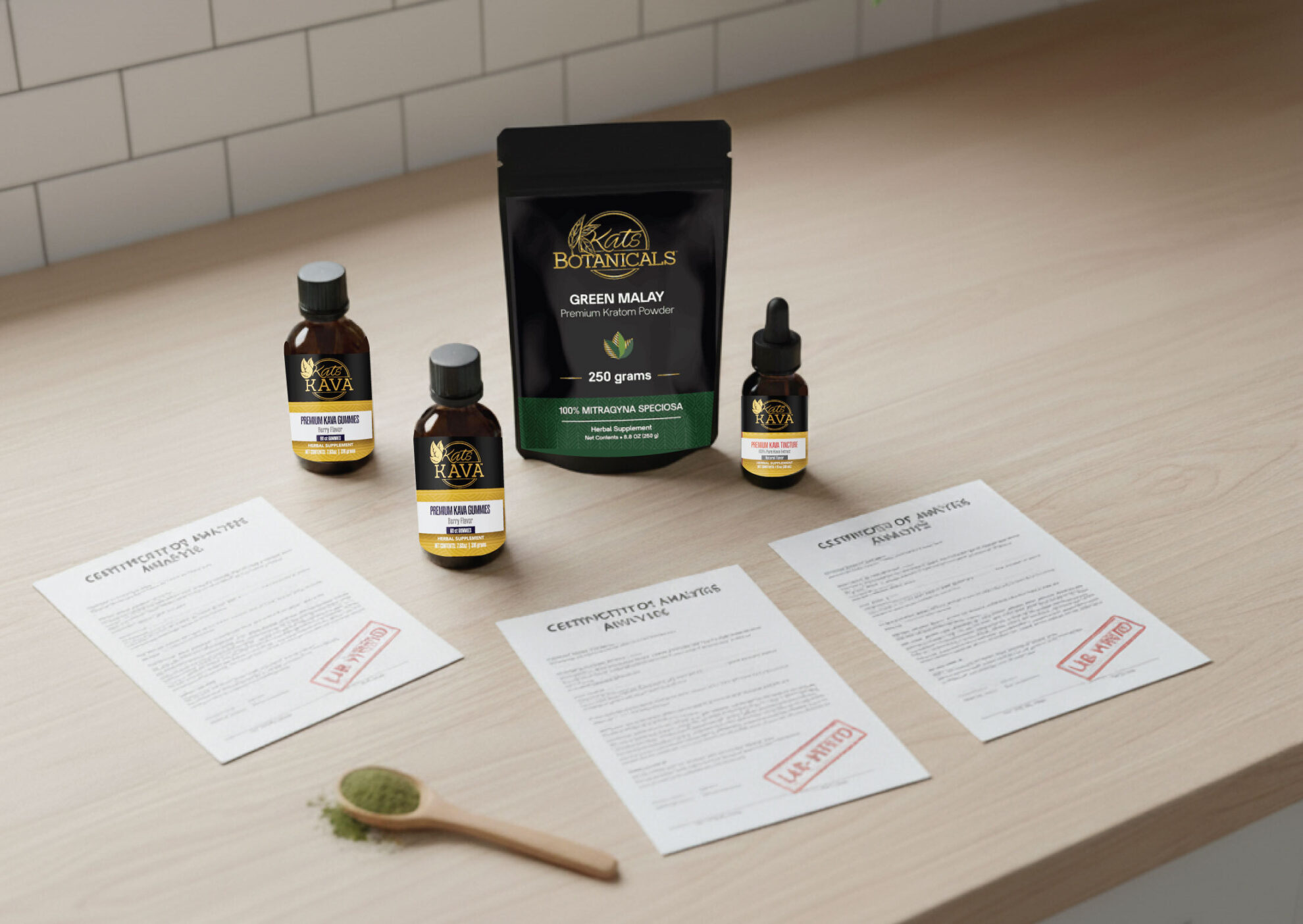
To avoid these complications, only purchase high-quality Kratom that’s lab-tested. This helps rule out pathogens, harmful heavy metals, and details the alkaloid content so you know what you’re getting.
Kats Botanicals partners with the American Kratom Association’s high standards in production and labeling. All products are lab tested, and the COAs are available for you to read. Get the complete breakdown on who is the AKA?