Shilajit has been a staple of Ayurvedic wellness practices for centuries. Traditionally, people dissolved the dark, sticky resin in warm milk or water.
The taste? Not exactly pleasant.
That bitter, earthy flavor has kept more than a few curious people from sticking with it. Shilajit gummies offer a practical solution. They deliver the same core compounds in a form that is easy to take, tastes good, and fits into a daily routine without any preparation.
But not all shilajit gummies are worth buying. The format introduces variables that don’t exist with pure resin, like added sweeteners, varying shilajit concentrations, and differences in how well the active compounds survive the manufacturing process. Here is what you should know before choosing a shilajit gummy.
What Do Shilajit Gummies Actually Do?
Shilajit gummies contain shilajit extract, which means they carry the same bioactive compounds found in traditional resin: fulvic acid, humic acid, over 80 trace minerals, dibenzo-alpha-pyrones, amino acids, and other organic compounds. The potential benefits of shilajit gummies are the same as those associated with shilajit in general, scaled to the concentration present in each gummy.
Energy and Mitochondrial Support
Shilajit’s relationship with cellular energy production is one of its most studied properties. The fulvic acid and dibenzo-alpha-pyrones in shilajit may support mitochondrial function, helping your cells produce ATP (adenosine triphosphate) more efficiently. ATP is the primary energy currency your body uses for everything from muscle contractions to cognitive processing.
Mineral Delivery
One of fulvic acid’s standout qualities is its ability to chelate minerals and carry them across cell membranes. This means the trace minerals in shilajit, including zinc, magnesium, iron, and selenium, may be more bioavailable than they would be on their own. For people who struggle to get adequate mineral intake through diet alone, shilajit gummies may offer a supplemental source.
Learn more about the 85+ minerals in shilajit.
Antioxidant Activity
Fulvic acid functions as a free radical scavenger, meaning it may help protect cells from oxidative stress. Oxidative stress occurs when the body’s production of free radicals outpaces its ability to neutralize them, and it has been linked to aging and various health concerns. While more human research is needed, laboratory analyses have shown that shilajit’s antioxidant capacity is notable.
Hormonal Support
A clinical study on shilajit found that men aged 45 to 55 who took 250 mg of purified shilajit twice daily for 90 days experienced increases in total and free testosterone compared to the placebo group. Gummies that contain effective doses of shilajit extract may offer similar support, though the amount of active shilajit per gummy matters. This is an area where checking the label is essential.
Cognitive Function
Some preliminary research suggests that fulvic acid may support brain health. Its small molecular size allows it to cross the blood-brain barrier, and early studies have examined its potential role in helping manage tau protein aggregation. This research is still in early stages, but it adds another dimension to shilajit’s profile.

How Many Shilajit Gummies Should You Take?
Most shilajit gummies contain between 100 and 500 mg of shilajit extract per gummy. The standard dosage recommendation across research studies is 200 to 500 mg of shilajit daily, so the number of gummies you need depends on the concentration of each one.
If you are new to shilajit, start with ½-1 gummy per day and assess how your body responds over the first week or two. Regular users and people with active lifestyles may benefit from two gummies daily. Taking shilajit with food may improve absorption and reduce the chance of mild stomach discomfort.
Timing is flexible. Many people prefer taking shilajit gummies as part of their morning routine. Others take them before exercise to give their bodies more support during exercise and recovery. Some users split their dose between morning and evening. There is no single right answer; consistency matters more than timing.
For a detailed breakdown, see our user guide: How Much Shilajit To Take Per Day? Your Shilajit Dosage Guide
Dosage Note: Do not exceed the recommended serving on the product label. While shilajit appears to be well-tolerated at standard doses, exceeding those amounts may cause digestive discomfort. Pregnant and breastfeeding women should avoid shilajit or consult their doctor.
How Gummies Compare to Other Shilajit Forms
Each form of shilajit has trade-offs. Understanding them helps you pick the one that fits your life.
Resin
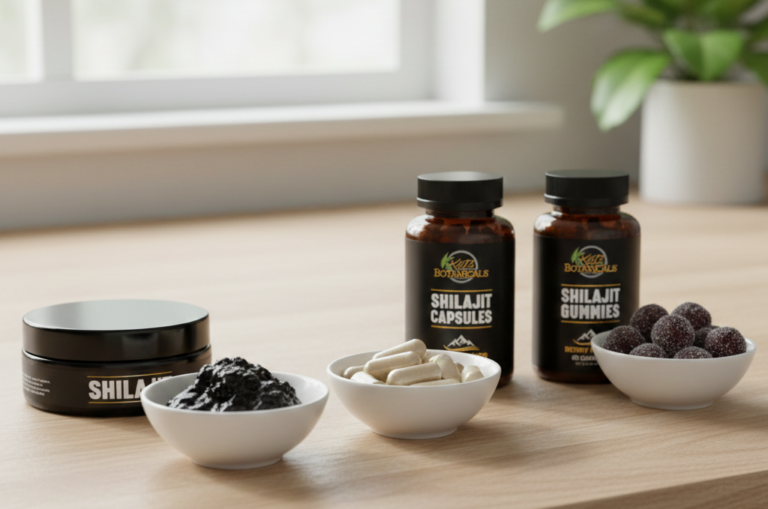
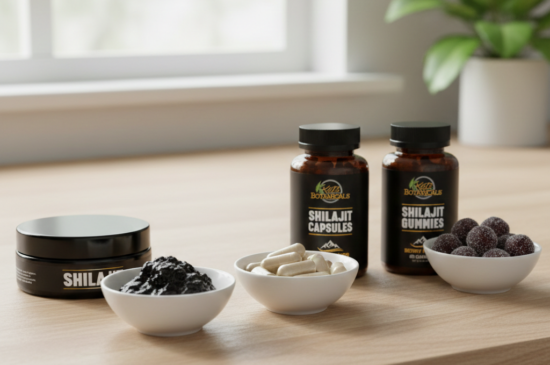
Shilajit Resin is the traditional form, closest to natural shilajit. It requires dissolving a small, pea-sized portion in warm liquid before consuming. Resin products tend to contain the full spectrum of shilajit compounds at their natural concentrations. The downsides are taste, preparation time, and less precise dosing. If you don’t mind the routine and the flavor, resin is a solid choice.
Capsules
Shilajit Capsules offer convenience and precise dosing without the taste factor. They are easy to travel with and require no preparation. The trade-off is that some encapsulated shilajit products use fillers or lower concentrations of active compounds. Reading the label for shilajit extract content and fulvic acid percentage is important.
Gummies
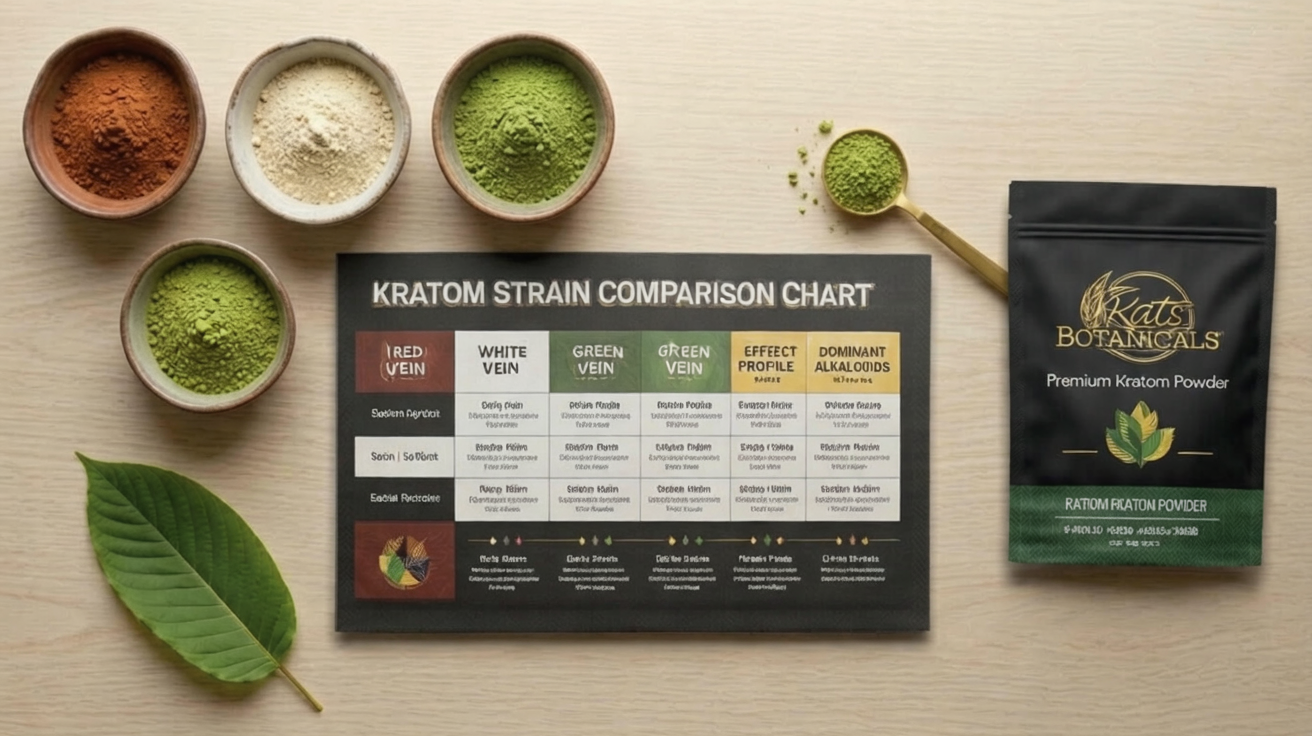
You may be familiar with Kratom Gummies, which have gained a strong fanbase in the supplement world. Similarly, Shilajit Gummies appeal to those who do not enjoy the earthy flavor of plant-based supplements. Same great potential, just more pleasant to use and in a familiar format. They’re easy to chew, require no prep, and make daily supplementation feel effortless.
One potential downside may be unnecessary or unwanted ingredients such as added sugars, gelatin or pectin, and artificial flavoring. Each manufacturer has their own “recipe”. Check the label to be sure you’re getting effective shilajit concentrations without fillers or unexpected ingredients.
Liquid Drops
Drops are versatile. You can add them to water, tea, smoothies, or other beverages. Dosing is flexible with drops, and absorption may be faster than capsules or gummies. The trade-off is that the shilajit taste comes through in the liquid, though less intensely than with resin.
What to Look for When Buying Shilajit Gummies
The shilajit supplement market is growing fast, and quality varies widely. Some products contain minimal actual shilajit, while others may include contaminants that may pose safety risks. Here is what separates a good shilajit gummy from a questionable one.
Shilajit Source and Purity
Look for products that specify where the shilajit is sourced. Himalayan shilajit is the most studied and traditional variety, though Altai Mountain sources also have a long history. The product should clearly state that it uses purified shilajit extract. Raw shilajit can contain heavy metals and other contaminants, so purification is non-negotiable.
Fulvic Acid Content
Fulvic acid is the primary bioactive compound in shilajit. Products that list the fulvic acid percentage give you a better picture of potency. Authentic, purified shilajit typically contains 5 to 20 percent fulvic acid. If a product claims 50 percent or higher, it may contain synthetic fulvic acid additives rather than the full-spectrum shilajit complex.
Third-Party Lab Testing
This is the single most important quality marker. Third-party testing verifies that the product contains what it claims and is free of contaminants such as heavy metals, microbial pathogens, and adulterants. Reputable brands follow GMP standards and make their Certificates of Analysis (COAs) accessible on their website or upon request.
Additional Ingredients
Check the ingredient list for sweeteners, fillers, and artificial additives. Quality shilajit gummies use natural sweeteners and real fruit flavors. Avoid products with long ingredient lists full of synthetic components. The simpler the formulation beyond the active shilajit, the better.
Shilajit Concentration Per Gummy
A gummy that contains 100 mg of shilajit extract will require a different serving size than one containing 500 mg. Make sure the amount per gummy, multiplied by the recommended serving, puts you in the effective range of 200 to 500 mg daily.

Who Should Consider Shilajit Gummies?
Shilajit gummies may be a good fit for people who want the potential benefits of shilajit without dealing with the taste of resin or the hassle of preparation. They work well for people who already take gummy vitamins and want to consolidate their supplement routine. Athletes and active individuals who want mineral and energy support, and those who need added mineral and nutritive support.
Shilajit gummies are not recommended for children, pregnant or breastfeeding women, or people taking blood sugar-lowering medications without first consulting a healthcare provider. If you are scheduled for surgery, discontinue shilajit at least two weeks beforehand, as it may affect blood sugar regulation.