
Walk into a Kava bar for the first time, and the vibe hits you before the menu does. There are no flashing screens behind the counter. Nobody is shouting over the thumping bass. People are actually talking, but in that easy, unhurried way where everybody seems to be exactly where they want to be.
Your drink arrives in a coconut shell; this is fun! You drink it. Your lips tingle. And suddenly, the appeal makes perfect sense.
Kava bars have been growing across the US for the past decade, and they represent something the traditional bar scene does not: a relaxed, alcohol-free social space. If you have been curious about the Kava bar experience, here is what to expect.
What Is a Kava Bar, Exactly?
A Kava bar is a social establishment that serves Kava as its primary drink. Kava comes from the root of the Piper methysticum plant, native to the South Pacific islands. The root is ground, strained through water, and served as an earthy, slightly peppery drink. Kava may make you feel calm and relaxed, but without impairing your thinking.
Pacific Island cultures like the Solomon Islands and Fiji, have prepared Kava this way for centuries as part of ceremonies, community gatherings, and daily socializing.
Modern Kava bars take that tradition and bring it into a contemporary setting. Some lean into tropical island decor with thatched roofs and coconut shell cups. Others feel more like coffee shops or lounge spaces. The format varies, but the core experience stays the same: you go, you drink Kava, you relax, you connect with people.
What is the Kava bar vs. Kava powder comparison, so you can pick your vibe for the evening? Let’s take a look.
Kava Bar vs Kava Products at Home
| Aspect | Kava Bar | Kava Powder (Home Use) |
| Social | Community vibe, baristas guide you | Solo/private, set your own atmosphere |
| Expertise | Kavasseurs prep perfect strength | You control potency/strain |
| Convenience | Travel + bar hours | Anytime, anywhere |
| Cost | Per drink ($8-15) | DIY cheaper long-term |
| Customization | Limited to menu | Full control (flavors, strength) |
| Learning | Expert guidance | Self-experimentation |

The Kava Bar Scene in Florida
Florida is considered by many to be the epicenter of the American Kava bar movement! So, what is a Kava bar in Florida actually like? Florida is where this new social wave started; it’s the Kava Capital of the US with 70-100+ Kava bars statewide.
Particularly in South Florida, Kava bars first gained mainstream traction in the mid-1990s. The state’s warm climate, large Pacific Islander communities, and traditional bar culture made it fertile ground.
Today, Florida has more Kava bars per capita than any other state. Fort Lauderdale, Boca Raton, St. Petersburg, and Jacksonville all have established Kava bar scenes. Some of these spots have been open for over a decade. Others are newer, riding the wave of interest from a variety of customers who want social options beyond alcohol.
Kava bars are spreading well beyond Florida, though. College towns in North Carolina, wellness-focused cities in California, and urban neighborhoods in Colorado and New York have all seen Kava bars open in recent years. The trend is national, even if Florida still holds the crown.
Recommended Read: Is Kratom Legal In Florida?
What Do Kava Bars Serve?
The star of the menu is traditional Kava, served in a shell or cup, prepared from ground root that’s strained through water. Most bars offer different Kava varieties with different strength levels, so you can start mild and work up if you want.
Beyond traditional Kava, menus often include a range of botanical and non-alcoholic drinks. What is a Kava tea bar, specifically? Some establishments focus on Kava served as a tea, blended with herbs or select flavorings to soften the earthy taste. Others go broader with their offerings.
Common Kava bar menu items include:
- Traditional Kava shells (single or double strength)
- Flavored Kava blends (mixed with cocoa, vanilla, or fruit)
- Kava smoothies and Kava mocktails
- Kratom teas and Kratom drinks
- CBD and functional mushrooms
- Herbal teas and yerba mate
- Non-alcoholic craft sodas and seltzers
Most Kava bars do not serve alcohol. This is intentional. Kava and alcohol – just like Kratom and alcohol – do not mix well and should not be consumed together. The alcohol-free environment is also a big part of the appeal for people who want a social night out without drinking.
Food menus tend to be light if they exist at all. Kava works best on an empty or light stomach, so heavy meals can interfere with the experience. Some bars offer small snacks, but do not expect a full kitchen.
Not sure what Kratom is? Read our deep dive on Kava vs Kratom to see how they compare.
What the Experience Actually Feels Like
The first thing you notice is the physical sensation. Kava containskavalactones, which produce a mild tingling and numbness on the lips and tongue. This is normal and a sign that the Kava is working.
Within 15 to 30 minutes, most people feel a wave of calm settle in. Muscle tension eases. The mental chatter that follows you around all day gets quieter. Social conversation feels easier, not because you are impaired, but because the low-level anxiety that often accompanies socializing fades into the background.
A big question we get asked a lot is this: Does Kava make you drunk?
The short answer is no, Kava does not intoxicate you like alcohol does. Your coordination stays intact. Your thinking stays clear. You can drive home after visiting a Kava bar without concern. The relaxation is real, but it does not come at the cost of your faculties. For people who want to unwind socially without the downsides of alcohol, this is the central appeal.
Individual responses to Kava do factor in. See how Kava makes you feel before driving.
Want to try making Kava at home first? Check out how to make Kava tea you’ll love!
Who Goes to Kava Bars?
One of the best parts about Kava bars is who shows up. The crowd is not what you might expect from a traditional bar. College students sit next to retirees. Remote workers bring laptops. Friends catch up. First dates happen without the pressure of alcohol. People come alone and end up in conversation with strangers because the atmosphere just invites it.
Kava bars attract people who are sober-curious, people who do not drink alcohol for personal or health reasons, wellness enthusiasts, and plenty of folks who still enjoy alcohol but want alternatives. The common thread is not any single demographic. It is a preference for socializing in a relaxed, low-pressure setting.
Many Kava bars also host events. Open mic nights, live acoustic music, game nights, and trivia are common. The programming leans chill rather than rowdy, which matches the Kava vibe.
Kava Bar Etiquette and Tips for First-Timers
Going to a Kava bar for the first time can feel a bit unfamiliar, but there is no wrong way to do it. A few tips to make your first visit smoother:
- Tell your barista it is your first time. They will help you choose the right strength and format. Most bars have a “beginner shell” option that lets you ease in without overdoing it.
- Start with one shell and wait 20 to 30 minutes before ordering another. Kava takes a little time to take effect, and it is easy to over-order if you are expecting instant results.
- Eat lightly beforehand, or go on an empty stomach. Kava absorbs better this way, and a full meal can dull the effects.
- Do not expect it to taste like a cocktail. Kava is earthy and a bit bitter. Some bars add flavoring, but the traditional preparation is an acquired taste. The shell of water or “chaser” that often comes with your Kava is there for a reason.
- Relax into the pace. Kava bars are not about quick rounds and loud energy. They are about settling in and letting the evening unfold.
Kava Bars vs Traditional Bars
The contrast between Kava bars and alcohol bars goes beyond what is in the cup. The entire social dynamic is different. Alcohol tends to amplify energy and lower inhibitions, which can go in positive or negative directions depending on the crowd and the amount consumed. Kava smooths things out without amplification. People may be calmer and more open, not louder and less aware.
One of the biggest benefits is the fact that you won’t get a mind-numbing hangover with Kava. You leave a Kava bar actually feeling relaxed and clear-headed. The next morning is normal. For people who have grown tired of the recovery tax that comes with a night of drinking, this alone is enough to make Kava bars their default social spot.

Bringing the Kava Bar Home
Not everyone has a Kava bar nearby, and even if you do, sometimes you want the experience at home. Preparing traditional Kava is straightforward once you know the basics. You need quality Noble Kava root powder, water, a strainer bag, and a bowl. The process of kneading the root through water is part of the ritual, and many home Kava drinkers find the preparation itself relaxing.
At home, there are quicker (and more affordable) options to get your Kava on:
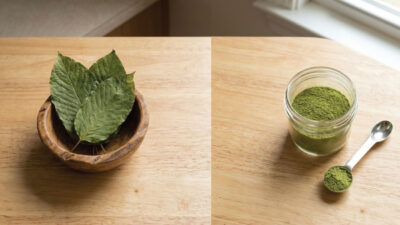
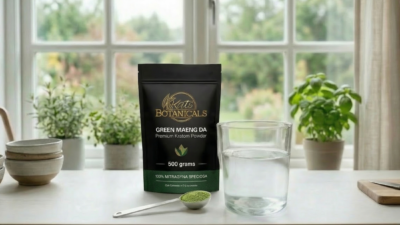
- Kava Powders: The most natural, traditional way to enjoy Kava root at home. Regional varieties offer different vibes.
- Kava Extract Tinctures: A modern take on Kava in a convenient, liquid form.
- Kava Gummies: Portable, flavored for less bitterness.
- Kava Extract Powders: More impact per serving.
- Kava and Kratom Shots: For the combined effects of these two beloved botanicals.
All our Kava products for sale are third-party tested for purity, potency, and consistency, so you know you’re getting top-quality Kava in every order.