


Kratom potentiators are everyday foods, drinks, and supplements you take alongside kratom to make its effects feel stronger or last longer. The most common ones are citrus juice, turmeric, and apple cider vinegar, and they work mostly by slowing how fast your body clears kratom’s main alkaloid, mitragynine, or by nudging absorption. The honest catch: the effect is modest, the research is thin, and no potentiator turns low-quality kratom into something worth taking. If you want a stronger experience, potentiators are one lever. Dose, timing, strain, and the occasional tolerance reset are the others, and they usually matter more than anything you stir into your cup.
Quick Answer: A kratom potentiator is any substance that intensifies or extends kratom’s effects without adding more kratom. Citrus (for vitamin C and enzyme-slowing compounds), turmeric, and apple cider vinegar are the ones users reach for most. Expect a small, real boost at best, not a dramatic change, and start with a smaller dose whenever you combine kratom with anything new.
What a Kratom Potentiator Actually Is
A kratom potentiator is any substance that increases the intensity or duration of kratom’s effects without you having to take more powder. The idea is efficiency. Instead of climbing your dose, you change the conditions around it so your body gets more out of the same amount.
The activity in kratom comes from its alkaloids, chiefly mitragynine, with a smaller role played by 7-hydroxymitragynine. Your liver breaks these compounds down over time, mostly through a family of enzymes called cytochrome P450, and CYP3A4 in particular. Most potentiators work by slowing that breakdown or by improving how well the alkaloids are absorbed in the first place. Slow the clearance, and a dose that used to fade in two hours may hang around a little longer.
That’s the theory, anyway. It’s worth being clear-eyed here: the pharmacology is plausible, but most of what circulates online about potentiators is user experience, not controlled data. A mechanism that makes sense on paper doesn’t always translate to something you’ll feel.
Do Kratom Potentiators Actually Work?
Some do, modestly, and the effect is smaller than most forum posts suggest. The strongest case rests on how kratom is metabolized rather than on trials of potentiators themselves. A 2015 pharmacokinetic study in humans estimated mitragynine’s terminal half-life at roughly 23 hours, which suggests the compound lingers in the body far longer than the felt effects last. That gap is part of why timing and enzyme activity can shift your experience.
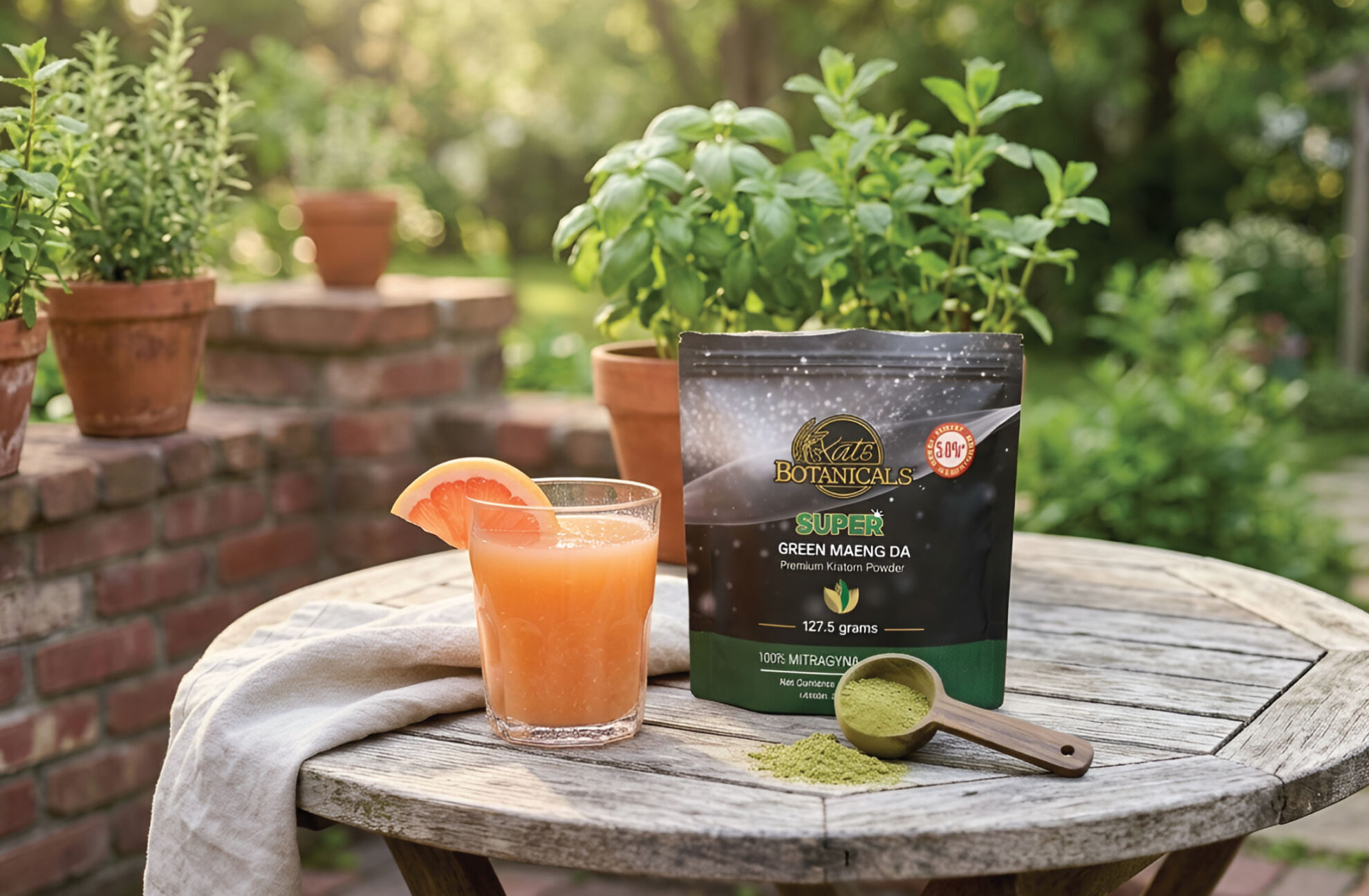
Grapefruit is the classic example. Grapefruit juice inhibits CYP3A4, the same enzyme involved in clearing mitragynine, which is why it also famously interacts with dozens of prescription medications. In theory, that slower clearance keeps more mitragynine active for longer. In practice, the size of that effect varies from person to person, and it’s the same mechanism that makes grapefruit worth a conversation with your doctor if you take other medications.
Here’s my read after sorting through the claims: potentiators are a fine-tuning tool, not a power switch. If your kratom needs a potentiator to feel like anything at all, the potentiator isn’t the problem to solve. The kratom is.
The Best Kratom Potentiators
These are the combinations kratom users return to, ranked loosely by how much practical difference they tend to make. Most double as ways to cut kratom’s bitterness, which is a real perk on its own.
Citrus and Vitamin C
Citrus is the most popular potentiator, and it earns the spot. Grapefruit, oranges, lemons, and limes all bring vitamin C and, in grapefruit’s case, compounds that slow the enzymes clearing mitragynine. Stir a dose into eight ounces of orange juice, or squeeze lemon into your kratom tea. The acidity may help the alkaloids stay available, and the flavor covers the earthy bitterness better than water ever will. Grapefruit juice is the strongest of the group, which is exactly why you should treat it carefully if you take any daily medication.
Turmeric
Turmeric is the potentiator I’d actually recommend to most people, mainly because it plays a longer game. Its active compound, curcumin, is thought to slow the same metabolic pathways, which may stretch how long effects last rather than spike them. A quarter teaspoon stirred into a prepared dose is plenty. Pair it with a pinch of black pepper, whose piperine content improves curcumin absorption, and you’ve built a small, sensible stack without touching your kratom amount. If you want the deeper science on the pairing, our write-up on turmeric powder and kratom covers it in more detail.
Apple Cider Vinegar
Apple cider vinegar shows up constantly in potentiator discussions, and the acidity is the working theory here too. One to two tablespoons in your kratom drink, softened with a spoon of honey, is the standard approach. Be honest with yourself about tolerance for the taste. Some people find it makes the whole cup easier to drink; others find it makes a bitter drink sour.
Cayenne and Warming Spices
Cayenne pepper and ginger are the wildcards. Users report that a small dash seems to add a little kick and, in ginger’s case, settles the stomach if kratom on an empty stomach bothers you. The evidence is anecdotal, and the margin is small, so treat these as flavor and comfort adjustments that may nudge the experience, not as reliable amplifiers.
Freezing Your Prepared Dose
Freezing is the one trick that has nothing to do with enzymes. Dissolve a single dose in a small amount of water, freeze it into cubes, then thaw and drink when you’re ready. The freeze-thaw cycle helps break down plant cell walls, which may free up more alkaloids for absorption. It also lets you prep several doses at once, which, honestly, is half the appeal. Add turmeric or a squeeze of citrus to the mix before you freeze, and you’ve stacked two methods into one. For related prep hacks, our guide on how to potentiate kratom powder safely walks through a few more options.
Habits and Timing That Make Kratom Feel Stronger
The unglamorous truth is that when you take kratom often matters more than what you mix into it. Two people can take the same strain at the same dose and have different experiences based entirely on stomach contents, hydration, and product quality.
Take It on an Empty Stomach
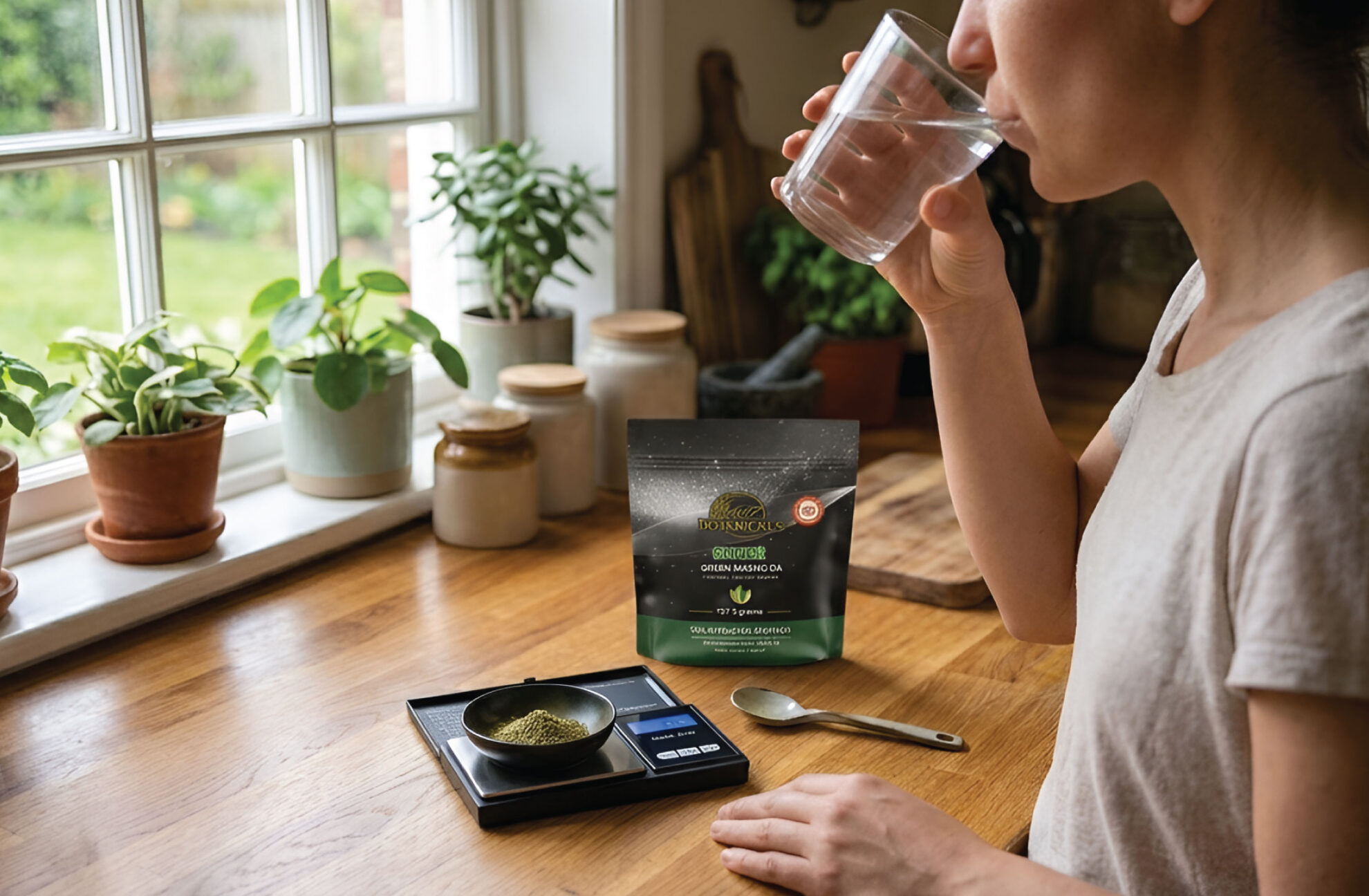
Kratom taken on a relatively empty stomach tends to absorb faster and feel more pronounced. A heavy meal sitting in your gut competes with the alkaloids and can blunt the onset. If empty-stomach dosing leaves you queasy, a small amount of ginger or a light snack is a reasonable compromise. You give up a little intensity for a lot more comfort, which is a trade plenty of daily users make on purpose.
Stay Hydrated
Kratom has a mild diuretic quality, and dehydration can leave you feeling flat and foggy in a way that gets blamed on the kratom itself. Drinking water throughout the day supports absorption and cuts down on the sluggish, cotton-mouthed feeling. This isn’t a potentiator in the pharmacological sense. It’s just the difference between your body working well and working poorly.
Start with Quality, Not Tricks
No potentiator can fix weak, poorly stored, or contaminated kratom. Alkaloid content is set at the source and degrades with age and bad storage, so a stale product will stay stale no matter what you add. Look for a vendor that participates in the American Kratom Association’s GMP Standards Program, which requires third-party testing for mitragynine content, heavy metals, and microbial contamination. If a product doesn’t come with that kind of documentation, the potentiator question is premature. Our guide on how to tell if kratom is low quality walks through the signs to watch for.
When a Potentiator Isn’t the Fix
Sometimes reaching for a potentiator means you’re solving the wrong problem. Two situations call for a different approach entirely, and both save you money over chasing a bigger effect.
Reset Your Tolerance
If kratom used to feel like more than it does now, tolerance is the likeliest culprit, and no amount of citrus reverses that. Your body adapts to regular alkaloid exposure, and the honest fix is a break. A few days to a week off often restores sensitivity, and many long-term users cycle strains or take periodic rest days specifically to keep their routine steady rather than creeping upward. A reset is cheaper than a stronger product and healthier than an ever-climbing dose.
Try a Different Strain
Kratom isn’t one-size-fits-all. If a strain feels underwhelming even at a proper dose, you may simply be using the wrong one for what you want. White and green veins skew energizing, reds skew toward evening calm, and yellows land somewhere in between. Before assuming you need a potentiator, sample across the vein colors using a kratom strain comparison chart. The right match often feels stronger than the wrong strain, plus every trick in this article.
Staying Safe with Kratom Potentiators
The same mechanism that makes a potentiator work is why you should respect it. Slowing your metabolism of mitragynine means more of it stays active, so the smart move is to lower your kratom dose when you first add any potentiator, not keep it the same. Grapefruit deserves extra caution because it affects the enzymes that also process many prescription drugs. If you’re new to dosing math, our kratom dosage guide is a good place to calibrate before layering anything on top.
Safety note: If you take any medication, have a health condition, or are pregnant or breastfeeding, talk to your healthcare provider before combining kratom with potentiators of any kind. Never combine kratom with alcohol. Individual responses vary, and a combination that suits one person may not suit you.









)