Shilajit has been used in Ayurvedic practice for thousands of years, and is gaining momentum in the West. Its popularity in Western wellness circles has grown fast enough that the supplement market offers a variety of shilajit products. Some are excellent products and others are outright counterfeits.
“Himalayan Shilajit” is trending, but how can you sort out the sourcing, the promises, and the hype? The quality differences in shilajit are real, meaningful, and not always visible from a label.
If you’ve heard about the 85+ nutritive minerals, plus the high fulvic acid content of shilajit, and want to harness the natural support system of “nature’s elixir” – begin here! This article covers where the best Himalayan Shilajit comes from, what makes one product cleaner than another, and how to evaluate a supplement before you buy it.
What Shilajit Actually Is
First, what is Shilajit? You may have seen it on a shelf or at your favorite herbal company’s website, and wondered just this. Shilajit is a thick, tar-like resin that seeps from rock crevices, and it’s jam-packed with nutritive minerals, elements, and acid compounds our bodies thrive on. It’s found in high-altitude mountain ranges, most notably the Himalayas.
Shilajit forms over centuries through the compression of organic plant material and microbial activity within the rock. The result is a dense substance packed with fulvic acid, humic acid, and over 85 trace minerals in ionic form.
See: What’s in Shilajit to learn more about its natural wellness compounds.
The name comes from Sanskrit and roughly translates to “conqueror of mountains” or “destroyer of weakness.” Ayurvedic texts categorize it as a rasayana, a class of substances thought to promote longevity and general vitality. Users today turn to it for a range of reasons, from energy support to mineral replenishment to cognitive wellness.
It is not a plant extract, not a root, and not a synthesized compound. That distinction matters when evaluating sourcing, because how and where shilajit is harvested directly affects its mineral profile and purity.

Why “Himalayan” Matters
The term Himalayan shilajit specifically refers to resin collected from the Himalayan mountain range, which spans parts of India, Nepal and Tibet, among other regions. This region is considered the gold standard for sourcing because of the mineral-rich geology and the altitude at which collection occurs, typically between 16,000 and 18,000 feet.
Shilajit also comes from the Altai Mountains, the Caucasus range, and parts of Central Asia. These sources can produce quality products, but the mineral composition varies by geography. Himalayan sources tend to yield resin with higher fulvic acid concentrations and a broader trace mineral profile, which is why the origin designation carries weight.
The problem is that “Himalayan” on a label is easy to claim and difficult to verify without testing documentation. Some products marketed as Himalayan are sourced from lower-grade deposits or blended with shilajit from other regions. Others are diluted or adulterated with humic acid extracts that mimic the appearance of genuine resin.
Two ways around these profit-driven shortcuts are to focus on where you get your shilajit: Buy shilajit from companies you trust, and never settle for un-tested products. Third-party lab testing is the only way to confirm what a product actually contains.
Recommended Read: What is Pure Himalayan Shilajit Resin?
Forms of Shilajit and How They Compare
Shilajit comes in several formats so you can choose a preference. The most natural way is to take shilajit resin, but you can also choose the convenience of capsules or gummies.
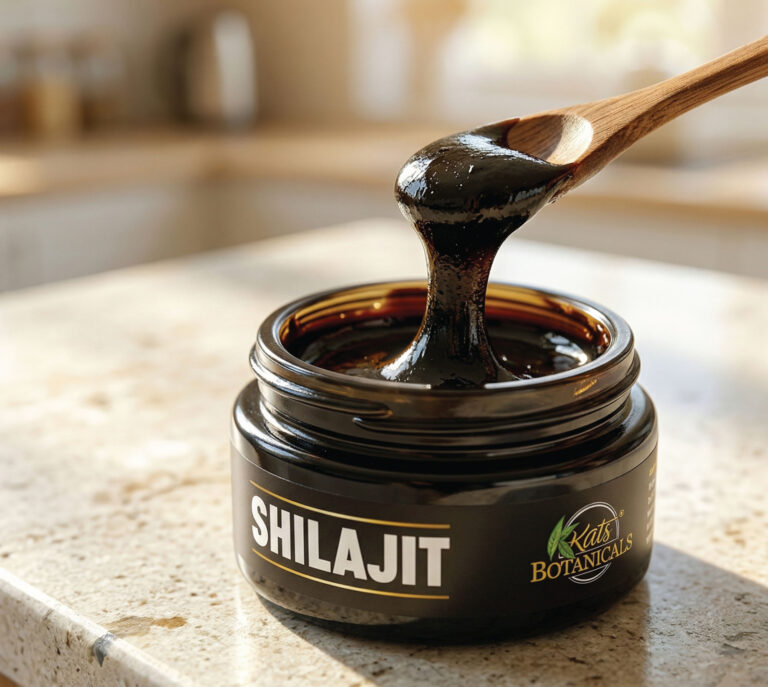
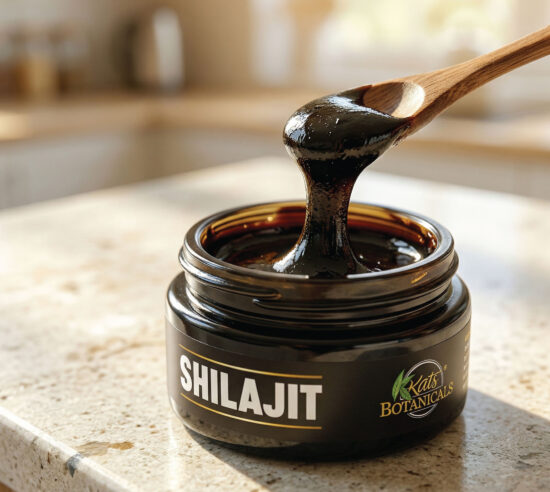
Pure Shilajit Resin is the least processed form. It’s collected, purified to remove contaminants and heavy metals, and packaged as a dark, sticky paste. Resin is generally considered the most bioavailable form and tends to have the highest concentration of active compounds. The downsides are the taste, which is earthy and strong. Measuring can be a bit sticky (pardon the pun).
For most wellness-focused buyers, purified resin is the preferred option when purity is the priority. This method is earthy, traditional, and for many, grounding. But if you want a no-nonsense, faster method, shilajit resin can be prepared into powder form. This opens up a variety of modern methods which you may find more appealing.
Himalayan Shilajit Powder is produced by drying and grinding resin, then pressing it into capsules or selling it loose. The drying process can degrade some bioactive compounds, and manufacturers sometimes blend powders with fillers to reduce cost. Standardized powders that specify fulvic acid percentage are more trustworthy than generic shilajit powder with no standardization.
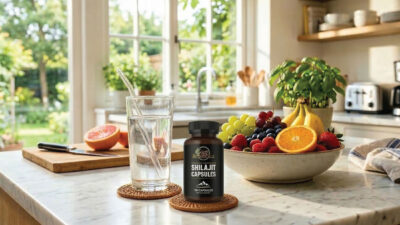
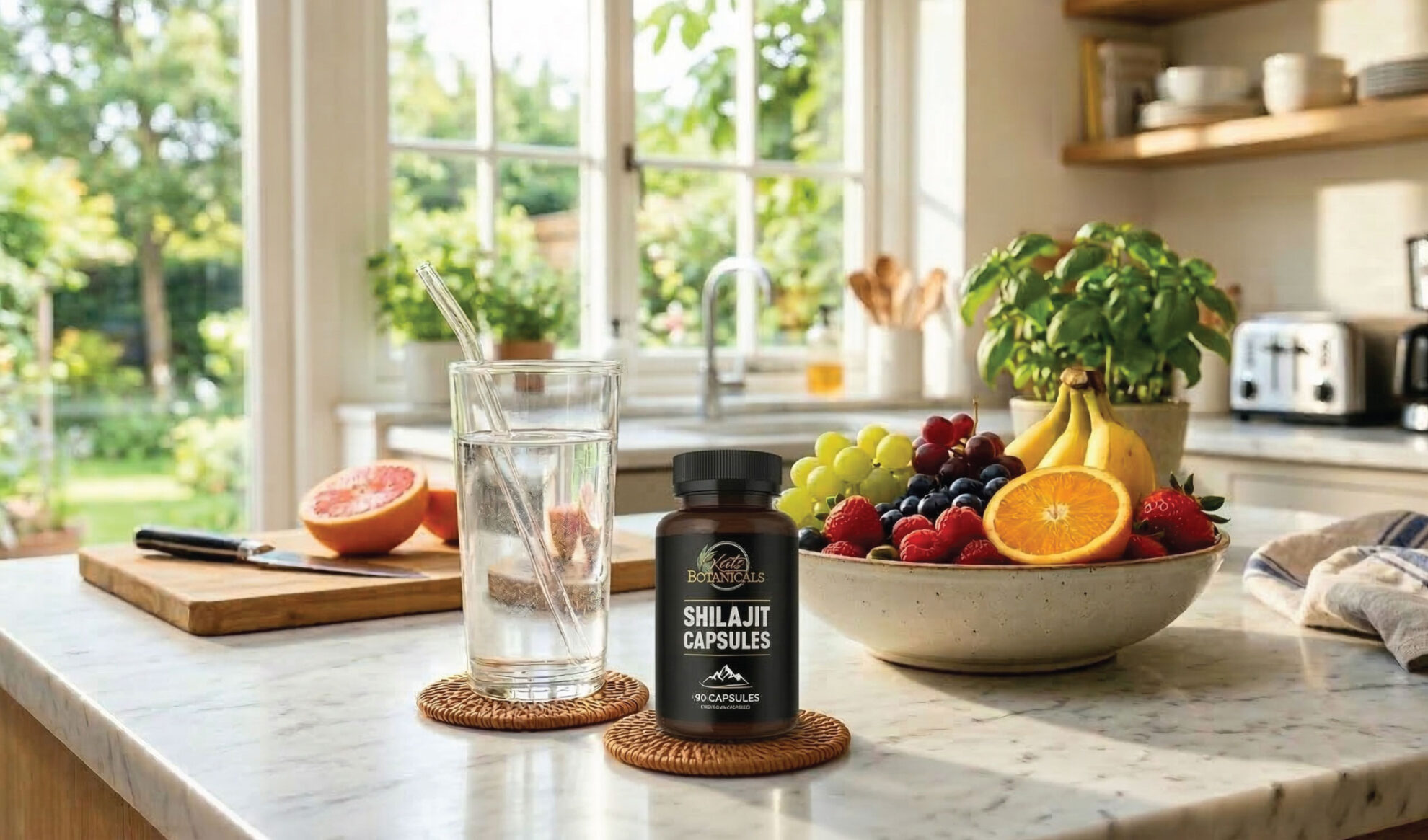
Capsules are easy to use, but again, look for standardized fulvic acid content and watch out for unnecessary filler ingredients. Gummies are also a recent trend, with shilajit powder in a chewable gummy base, bringing in an element of ease and flavor. As with capsules, filler ingredients can be a deterrent.
Here are two lab-tested options, which do not use fillers to pad profits, but centralize your safe, high-quality experience first:
How to Identify Pure Shilajit
Authentic shilajit has several physical characteristics that counterfeit products often miss.
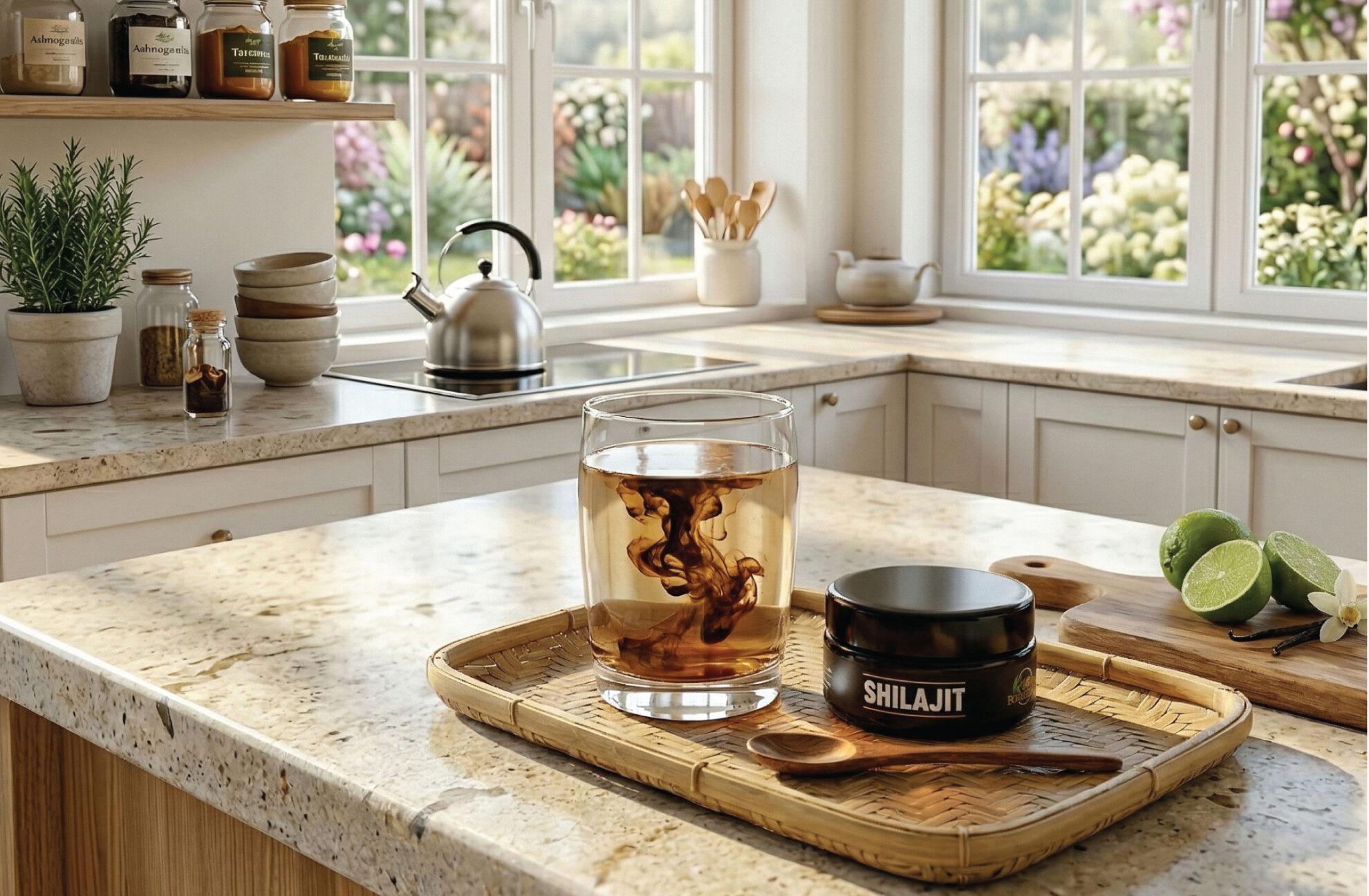
- Solubility test: Pure shilajit dissolves fully in warm water or milk without leaving a gritty residue. Adulterated products often leave sediment.
- Temperature behavior: Real resin is brittle when cold and becomes pliable at body temperature. It should soften when held in your hand but not melt like a wax.
- Color: Genuine resin ranges from dark brown to black. Powder should be a similar dark brown. Unusually light-colored products or products with a reddish tint may indicate blending with other substances.
- Taste: Authentic shilajit has a distinct, earthy and slightly bitter taste. It’s not pleasant for most people. Products that taste neutral or sweet have likely been processed in ways that compromise the active compound profile.
Beyond physical testing, the most reliable authenticity marker is third-party lab documentation. A reputable supplier will publish certificates of analysis (COAs) that confirm fulvic acid content, heavy metal levels, and microbial safety. If a brand doesn’t provide COAs or makes you request them through a difficult process, that’s worth noting before you purchase.
Another great way to vet a shilajit provider or product is to read their shilajit reviews, which may demonstrate quality from an experienced shilajit user’s perspective.
Fulvic Acid: The Key Compound
Fulvic acid is the primary bioactive compound in shilajit and the main reason researchers study it – see Shilajit Studies: What Modern Research Reveals About This Ancient Remedy. It’s a naturally occurring organic acid that forms when organic matter decomposes in the presence of microbes and specific soil conditions.
Fulvic acid benefits have been studied in the context of mineral absorption, antioxidant activity, and cellular energy. It may support the transport of nutrients into cells and help with the removal of certain waste compounds. Some research suggests it may interact with mitochondrial function, which is one reason shilajit has a reputation as an energy-supportive supplement.
When evaluating a shilajit product, look for a standardized fulvic acid percentage on the label. Quality resin products typically contain between 60-80% fulvic acid. Products that don’t disclose fulvic acid content should be treated with skepticism.
We love sharing about all the potential in shilajit products. If you want to learn more about how shilajit works in the body, and how its compounds may benefit your health, see these helpful guides on fulvic acid and shilajit benefits:
Safety and Usage Considerations
Shilajit is generally well-tolerated at typical doses, which for resin products range from 300-500mg per day. As with other botanicals, individual responses can vary. Depending on your sensitivity, mild digestive discomfort may accompany high doses, so start off slow and use mindfully. See our shilajit dosage guide here.
Important note: Raw, unpurified shilajit collected directly from rocks may contain heavy metals, mycotoxins, and microbial contaminants. Only purchase shilajit from brands that publish purification and testing documentation. This is non-negotiable.
People who are pregnant or nursing should consult a healthcare provider before using shilajit. The same applies to anyone taking medications, particularly those affecting iron levels, as shilajit may influence iron absorption. A conversation with your doctor before starting any new supplement is always worthwhile.