The most common question new shilajit users ask isn’t about benefits or sourcing. It’s dosage. Specifically: What’s the shilajit dosage per day? And what’s the shilajit dosage for resin, capsules, and gummies? As with other botanicals you may take for your wellness, dosage matters, and may vary slightly from one person to the next. This guide can help you get started.
Shilajit comes in forms with meaningfully different potencies and fulvic acid percentages. The rice-grain guidance you see for resin doesn’t translate to a capsule or gummy dose. It may also not be a sufficient dose for your needs, especially if you buy a lower-quality resin. Getting the dosage wrong doesn’t cause harm in most cases, but it can leave you underdosing consistently and wondering why you’re not noticing results.
New to shilajit and what it’s used for? See our guide: What Is Shilajit.
Why Format Changes Everything
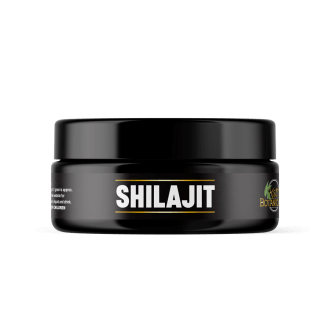
Shilajit resin is the minimally processed form of shilajit. It’s harvested from mountain rock and purified, then jarred with almost nothing done to alter its natural composition. Because it’s so concentrated, resin users measure in fractions of a gram, like the “rice” or “pea” size recommendations. The fulvic acid content and mineral concentration are high, and a small amount goes a long way.
Shilajit Capsules use extracted or concentrated shilajit, usually standardized to a specific fulvic acid percentage. Kats Botanicals’ capsules, for example, are standardized to 63% fulvic acid. The serving size is larger in weight than resin because the encapsulation process dilutes concentration somewhat. This said, the fulvic acid delivery is reliable and the dose is pre-measured.
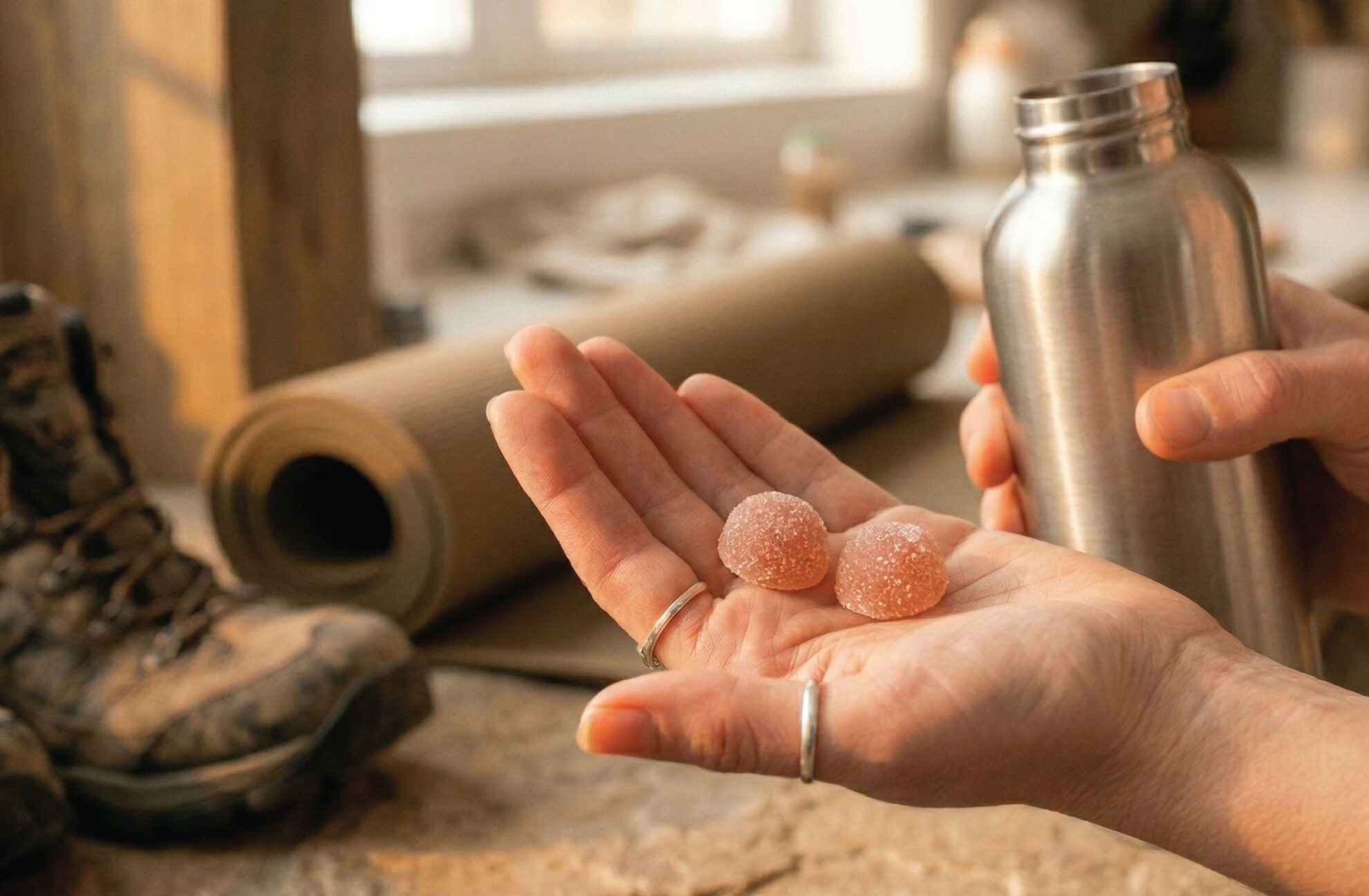
Shilajit Gummies have the highest fulvic acid standardization (an impressive 80%!) of the three formats at Kats. Like the capsule form, each gummy serving is formulated with shilajit extract, but gummies contain other ingredients like natural flavors and sweeteners in a gummy base.
None of these is the “best” format in absolute terms. The right one is the one you’ll take consistently.
Shilajit Resin Dosage
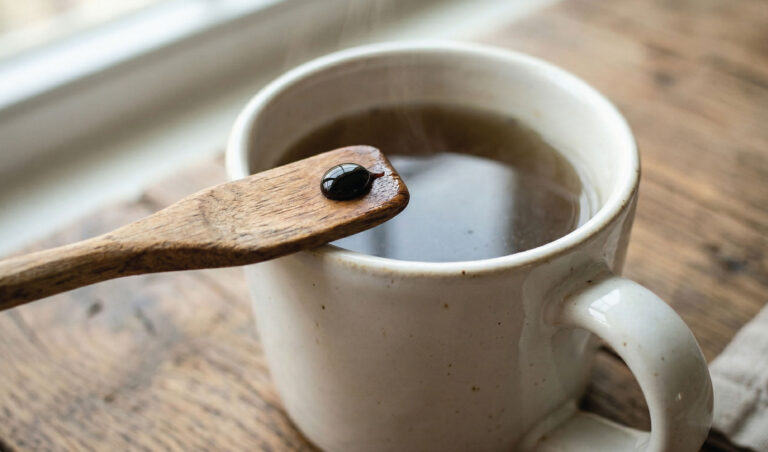
Resin is the format where dosing is most tactile and least precise. Measuring by volume (a rice grain to a small pea) is how most users approach it because resin doesn’t pour or scoop cleanly. For users who want more accuracy, shilajit-specific measuring spatulas are available online and make consistent dosing easier.
The recommended approach at Kats Botanicals is 100 mg once or twice daily. Some experienced users take a third dose, but this isn’t necessary for most people and should only be considered after you’ve established your baseline response. Here’s a more detailed guide by experience level.
Pure Himalayan Shilajit Resin Dosages
| Level | Amount | Notes |
| Starting dose | 100 mg (grain of rice) | For beginners, assess tolerance. |
| Standard dose | 100–200 mg once or twice daily | Adjust based on how you feel. |
| Maximum | Up to 300 mg per day, split | Do not exceed recommended total. |
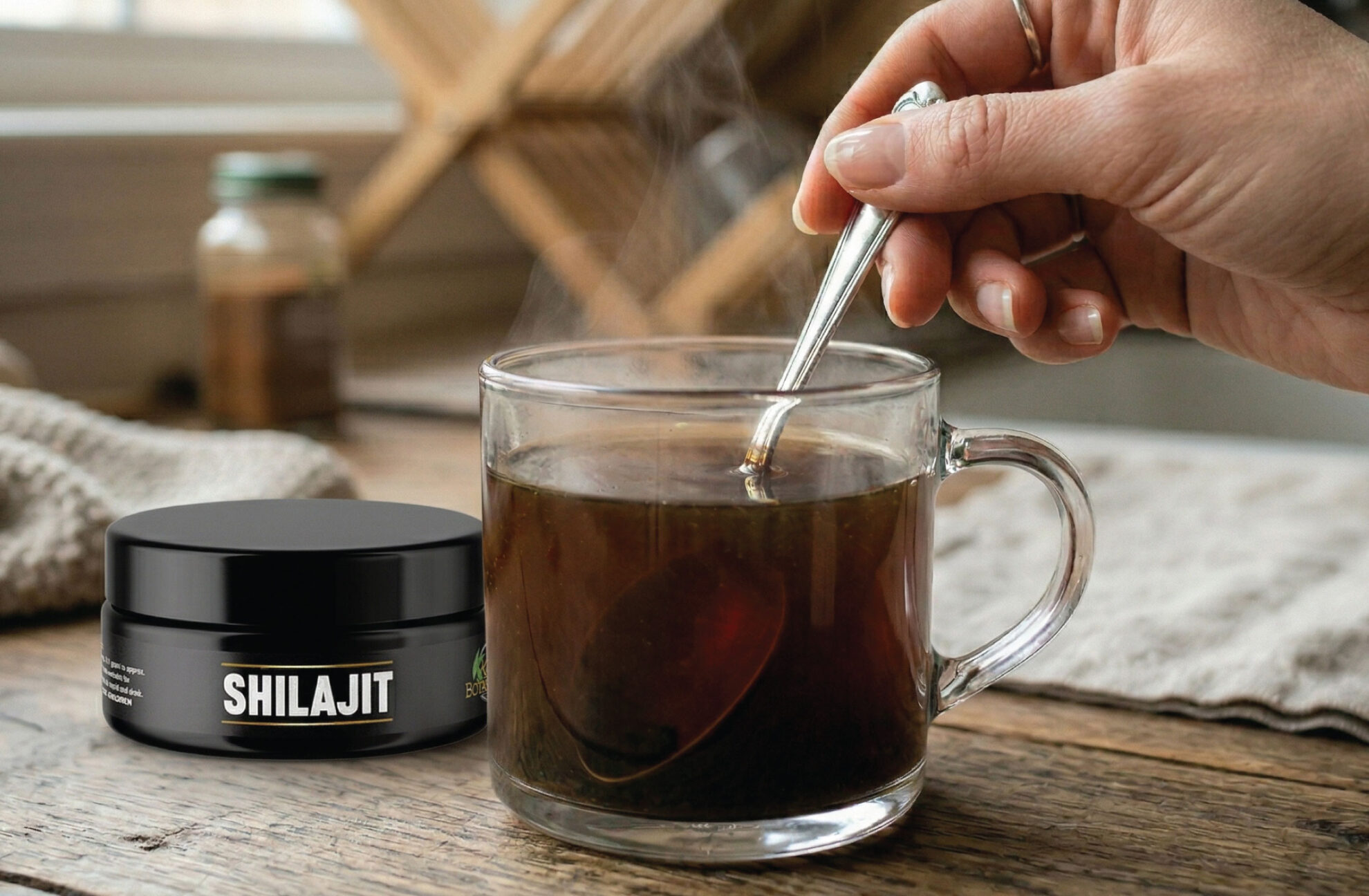
How to take resin: Dissolve it in warm (not boiling) water, herbal tea, or milk. Resin melts quickly in warm liquid and can be consumed immediately. Taking it on an empty stomach may improve absorption, but if you experience digestive sensitivity, take it with a small amount of food.
Best timing: Morning is the most common time, with an optional second dose in early afternoon. Avoid taking shilajit close to bedtime if you worry about sleep disruption.
Shilajit Capsule Dosage
Capsules simplify dosing. The serving is pre-measured, there’s no preparation, and the bitterness of raw resin is avoided. For users who travel, work long days, or simply prefer not to deal with the resin’s texture, capsules are the practical option.
Shilajit Extract Capsule Dosages
| Level | Amount | Notes |
| Serving size | 2 capsules (500 mg shilajit extract, 63% fulvic acid) | Per dose |
| Standard use | 1–2 servings per day (2–4 capsules total) | Adjust based on how you feel |
| Maximum | 2 servings per day (4 capsules, 1000 mg extract total) | Do not exceed the daily maximum |
How to take capsules: Take capsules with a full glass of water. Timing follows the same logic as resin: morning works well for most people, with an optional afternoon dose if needed. There’s no meaningful difference in absorption when taken with or without food, though some users prefer with food if they notice stomach sensitivity.
Best timing: Most shilajit capsule users prefer to take their serving in the morning, with or without food. A second serving, if used, fits naturally in the mid- to late afternoon.
Shilajit Gummy Dosage
Gummies are the most accessible format and despite their tasty form, deliver a consistent fulvic acid dose. Kats Botanicals does this via standardized formulations, which means you can split a gummy and get consistent concentrations across the form. Kats Botanicals’ shilajit gummies are standardized to 80% fulvic acid, which is the highest concentration across our three formats
Serving sizes are set to the most potentially “therapeutic” servings, but can be adjusted based on your experience. This should help you get started:
Kats Botanicals’ Shilajit Gummy Dosages
| Level | Amount | Notes |
| Beginner | ½ gummy | Start small; 80% fulvic acid standardization ensures consistency |
| Standard use & Experienced users | 1 gummy | Per dose; splittable for precise intake Do not exceed package dosing recommendations |
How to take gummies: If you’re splitting a gummy dose, store the unused portion with care until you take it. Store gummies in a cool, dry place away from heat and sunlight. Refrigeration is optional but can be helpful in very hot or humid climates if the container is tightly sealed. When taking your dose, simply chew and swallow, with or without food.
Best timing: Morning with or without food. As with capsules and resin, a second serving is best mid to late afternoon but within the 1-2 hours before bed.
Shilajit Dosage Comparison
Some shilajit users become familiar with more than one form and may toggle between them on different days. That’s fine, but here’s a quick comparison of shilajit resin vs capsules vs gummies so you don’t overlap them or take more than you need to:
| Format | Serving Size | Fulvic Acid | Frequency |
| Resin | 100–200 mg (rice to pea size) | Varies by source | 1–2x daily |
| Capsules | 2 capsules (500 mg extract) | 63% standardized | 1–2x daily |
| Gummies | Per label | 80% standardized | 1x daily |
Factors That Affect Your Ideal Dose
Shilajit doesn’t have a single correct dose for every person. Body weight, metabolism, the reason you’re taking it, and how your body responds individually all play a role.
New Users: New shilajit users should almost always start lower than the recommended dose. Beginning with half a serving for the first week reduces the chance of digestive adjustment symptoms like loose stools or mild stomach discomfort, which can occur when any new mineral-dense supplement is introduced.
Sensitive Users: People who are particularly sensitive to new supplements, or who have digestive conditions, should build up more gradually and stay at lower doses longer before moving to the standard range.
How to Know If Your Dose Is Working
Most users notice the first effects of shilajit within one to two weeks of consistent daily use. Energy support and mental clarity tend to be the earliest reported changes. Feedback on physical performance and recovery typically reflects a longer time, often four to eight weeks.
If you don’t notice anything after a month of consistent use, consider whether your product quality is the issue before increasing your dose. Shilajit varies widely across brands in terms of purity and potency. A low-quality or heavily processed product may not produce results regardless of dose. Third-party lab testing is the baseline requirement for any shilajit you should be taking seriously.
When Not to Take Shilajit
Shilajit is not appropriate for everyone. People with gout should avoid it, as the purine content may worsen symptoms. Those with kidney conditions or who are on blood pressure medications should consult their physician before starting, as shilajit may affect how the kidneys process certain compounds.
Pregnant and breastfeeding women should avoid shilajit supplementation. The evidence base for safety during pregnancy is not strong enough to recommend use.
If you’re taking any prescription medication, speak with your doctor before adding shilajit. Like other mineral-dense botanical supplements, it may affect how some medications are absorbed or metabolized.
Individual responses vary. Consult your healthcare provider before beginning shilajit supplementation, particularly if you have an existing health condition or take prescription medications.