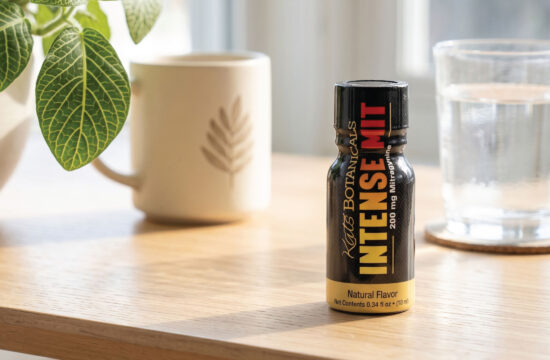
Kratom shots are the format that confuses people most often when they first start exploring kratom. Powder makes intuitive sense (you mix it into something), capsules make intuitive sense (you swallow them), but a small bottle of dark liquid from a smoke shop or online store gives pause. What’s actually in it? Is it stronger than other formats? Is one bottle a serving or several?
This guide answers those questions, and more. We’ll share how kratom shots are made, what types exist (flavored, extract, kava blends), how they compare to powder and capsules, and what to look for if you’re trying liquid kratom for the first time. The aim is to give you enough context to make an informed first purchase, not to push you toward shots over any other format.
Quick Answer: A kratom shot is a 10-15 mL bottle of concentrated kratom extract suspended in a flavored liquid, typically containing 30-250 mg of mitragynine per bottle. Shots deliver a measured dose with a faster 15-30 minute onset than powder or capsules, with the carrier liquid masking kratom’s bitter taste.
What Kratom Shots Actually Are
A kratom shot is a small bottle (usually 10 to 15 mL, similar in size to a 5-Hour Energy bottle) containing a concentrated kratom extract suspended in a flavored liquid base. The active ingredients are the same alkaloids found in kratom powder:mitragynine and 7-hydroxymitragynine, plus a number of minor alkaloids that contribute to the overall profile.
The difference between a shot and a serving of powder isn’t what’s in it. It’s how much, in what concentration, and in what carrier. A shot delivers a measured dose in a swallowable liquid that masks kratom’s naturally bitter flavor. The convenience is the main draw; the consistency of dose from one shot to the next is the secondary one. If you’ve usedkratom powder before, a shot is essentially the same plant material, just concentrated and pre-measured.
Most kratom shots on the market list either total alkaloid content (in milligrams per bottle) or mitragynine content specifically. A typical shot contains anywhere from 30 mg to 250 mg of mitragynine, with the higher end being notably stronger than what most casual powder users take in a single serving.
Did you know? A2020 Johns Hopkins Medicine survey of more than 2,700 self-reported kratom users found that kratom may have a lower rate of harm than prescription opioids, with researchers calling for more clinical study rather than an outright ban.
How Kratom Shots Are Made
A kratom shot starts with kratom leaf, just like powder does. From there, the path diverges through four production steps that turn raw leaf into a standardized liquid.
Step one: extraction. Kratom leaf is processed using water, ethanol, or a combination, to pull the alkaloids out of the plant material. The result is a concentrated liquid extract, much higher in alkaloid content per milliliter than the leaf itself.Commercial extraction methods typically combine kratom powder with a heated solvent, then filter and evaporate to concentrate the alkaloids.
Step two: standardization. The extract is tested for alkaloid content (mitragynine specifically) and adjusted to hit a target potency. Shot manufacturers print specific milligram numbers on the label.
Step three: formulation. The standardized extract is blended with a flavored liquid base (often citrus or berry-flavored), sometimes with added preservatives, sweeteners, or other botanicals like kava or CBD depending on the product.
Step four: bottling and testing. The finished product is bottled and (for reputable brands) third-party tested for alkaloid content, heavy metals, and microbial contamination. TheAmerican Kratom Association’s GMP Standards Program sets the manufacturing benchmarks most reputable vendors follow, including independent third-party audits of testing and labeling practices. If you want to understand what those test results actually mean,reading a kratom lab report is a useful skill before buying any extract product.
A properly made kratom shot involves more processing than a bag of powder, but the alkaloids in a shot are the same compounds that come from the leaf. The format is different. The starting material is the same.
Types of Kratom Shots
Not every shot is built the same way, and the differences matter when you’re shopping. Three main categories cover most of what’s on the market.
Standard Extract Shots
Standard extract shots are the foundational format: a bottle of kratom extract suspended in a flavored carrier, with a stated mitragynine content on the label. Strength varies widely between brands, but the format is the simplest expression of what a kratom shot is.
A standard extract shot is the right pick if you want a measured dose of kratom in a portable form and don’t need any added ingredients.
Examples of High-Quality, Standard Kratom Extract Shots
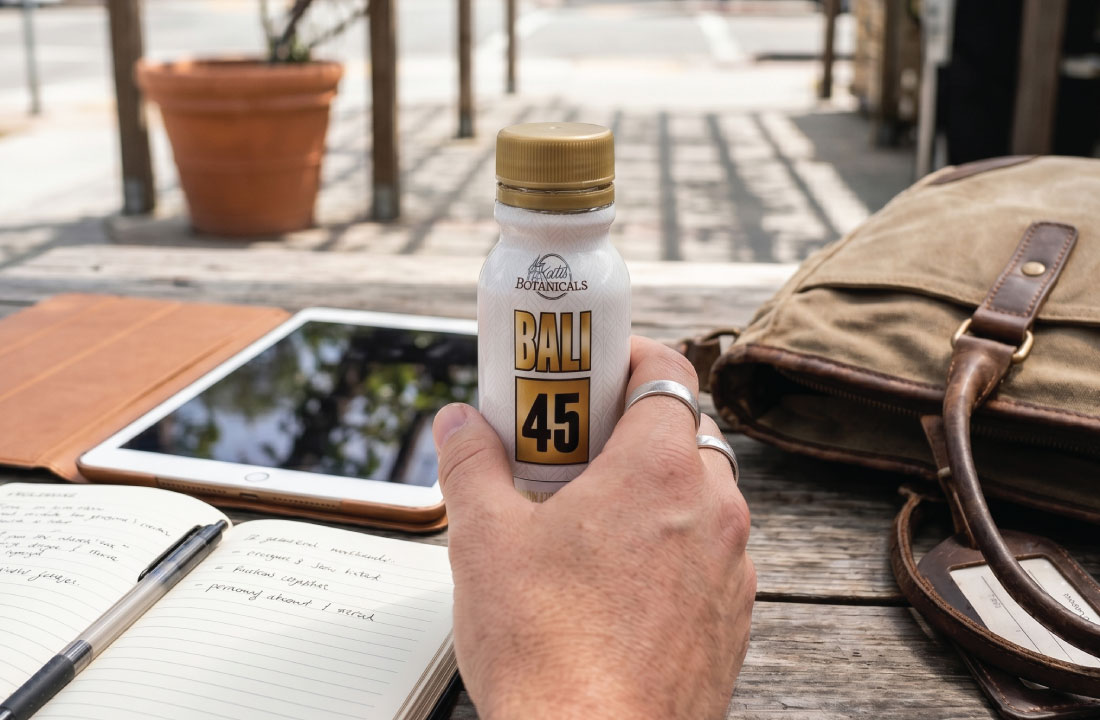
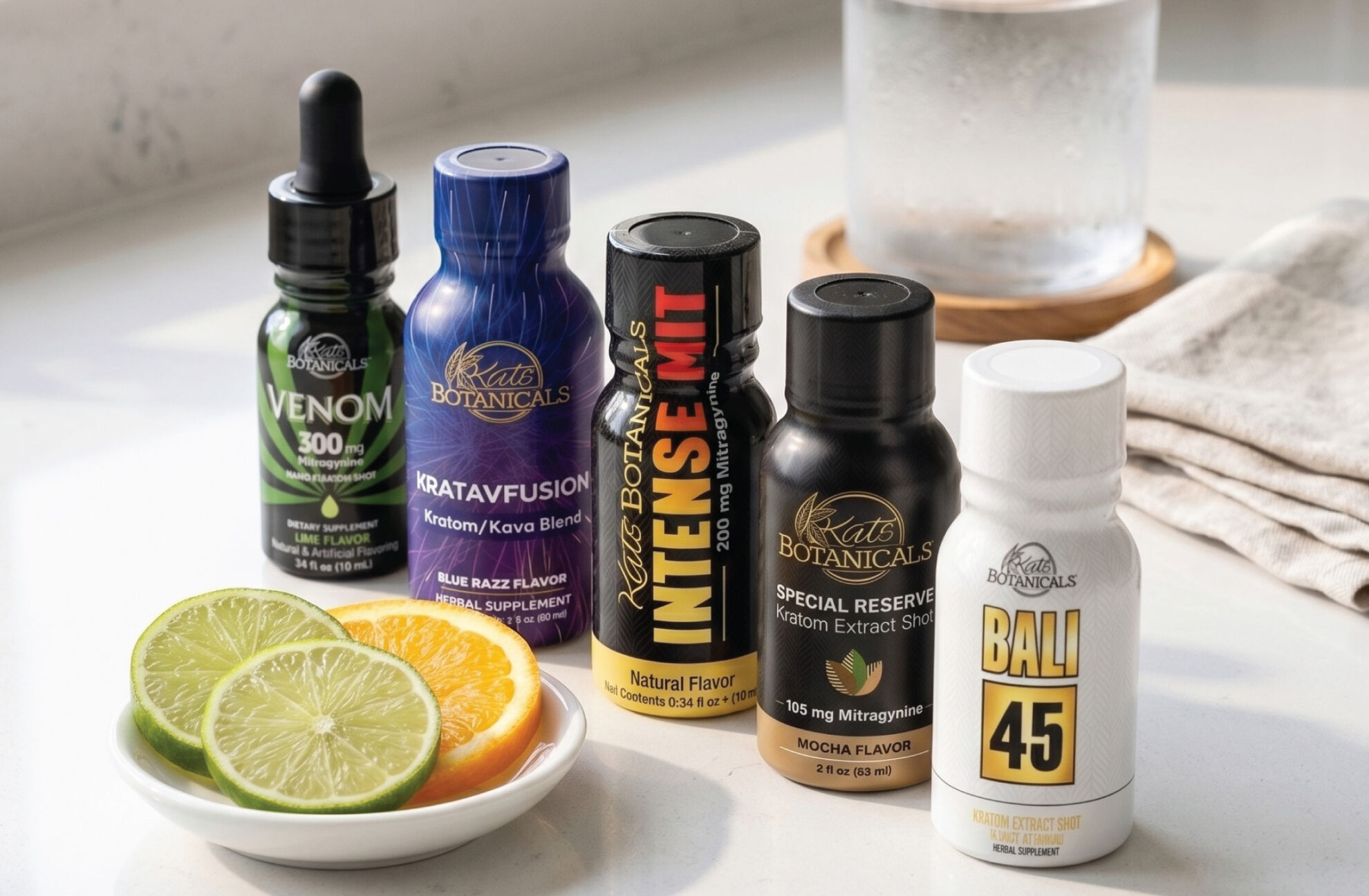
- Bali 45 – Approachable starter shot, 125 mg MIT per bottle, lab-tested
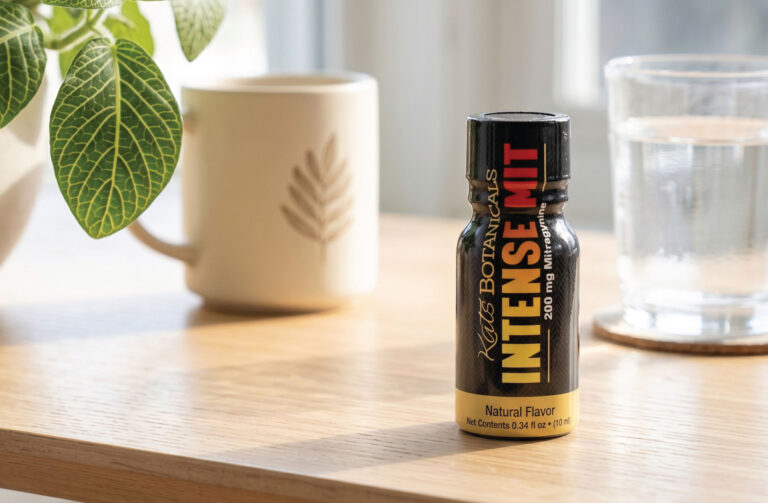
- INTENSE MIT – Natural flavor, 200 mg MIT per bottle, lab-tested
Flavored Shots
Flavored shots take a standard extract and put more emphasis on the carrier. Citrus, berry, and fruit punch flavors are common. The kratom is still the active ingredient; the flavor profile is just designed to make the shot more palatable, especially for users who don’t like the bitter taste of kratom.
Flavor doesn’t change the kratom experience itself, just the act of taking it. If the taste is what’s keeping you from kratom, this is the format that fixes the problem.
Examples of High-Quality, Flavored Kratom Extract Shots
- Special Reserve – Approachable starter shot, 105 mg MIT, mocha flavor, lab-tested
- Venom Nano Kratom Shots – 300 mg of MIT per bottle, lime flavor, lab-tested
Kratom and Kava Shots
A subset of shots blend kratom extract with kava extract in the same bottle.Kratavfusion Kratom + Kava Shot is one example of this category, combining both botanicals at measured doses. Kratom and kava produce different but complementary effects, and some users prefer to take both together rather than dose them separately. If you’re new to the combination, thekava vs kratom comparison guide is worth reading first.
The combination format is for users already familiar with both botanicals individually. Starting with a combined product when you’ve never tried either alone makes it harder to tell what’s doing what if you don’t like the result.
Kratom Shots Compared to Other Kratom Formats
Shots win on onset speed and portability and lose on cost per dose. Here’s the honest comparison against the two formats most kratom users start with:
| Factor | Kratom Shots | Kratom Powder | Kratom Capsules |
| Onset time | 15 to 30 minutes | 30 to 60 minutes | 45 to 90 minutes |
| Dose precision | High (per bottle) | Variable (depends on measuring) | High (per capsule) |
| Convenience | High | Low | High |
| Cost per dose | Higher | Lowest | Middle |
| Taste | Masked by carrier liquid | Bitter, requires masking | Tasteless |
| Travels well | Yes | No | Yes |
| Best for | Specific dose timing, on-the-go | Daily routines at home | Daily routines anywhere |
A few things worth pulling out of that table:
Shots are the fastest-onset format because the kratom is already in solution and the liquid hits your stomach as a liquid. Capsules are the slowest because your body has to break down the capsule shell and then absorb the powder.
Cost per dose is where shots lose ground. The processing involved in making and bottling a shot adds up, so per milligram of mitragynine, you’re paying more for a shot than you would for the same amount in powder form. For occasional, on-the-go use that trade-off makes sense. For daily routines, most users settle intokratom powder orcapsules and treat shots as the travel option.
What to Look For in a Kratom Shot
The single most important thing to check on a kratom shot label is the stated mitragynine content in milligrams per bottle. That number tells you the actual dose; the bottle size doesn’t. A 10 mL shot with 200 mg of mitragynine is much stronger than a 15 mL shot with 75 mg.
Beyond the milligram number, three things separate a shot worth buying from one to skip:
- Third-party lab results. A reputable vendor publishes a Certificate of Analysis showing mitragynine content, heavy metals screening, and microbial testing. If the brand can’t show you a recent COA, that’s a signal to look elsewhere.
- Clear ingredient list. You should know what’s in the carrier liquid, not just the kratom content. Watch for added stimulants or undisclosed botanicals.
- Vendor reputation. Brands participating in the American Kratom Association’s GMP Standards Program have gone through independent audits of their manufacturing and labeling practices. That’s a meaningful filter in a market with very little federal oversight.
If you’re newer to the category, thefirst-time kratom use guide is a good companion read before opening any shot. Start with a lower-mitragynine option, take half the bottle, and wait the full onset window before deciding whether to take more. Start low. Go slow.