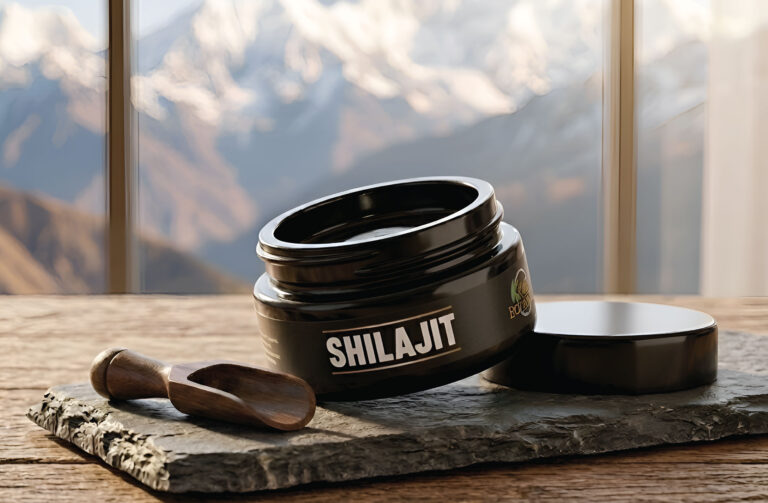
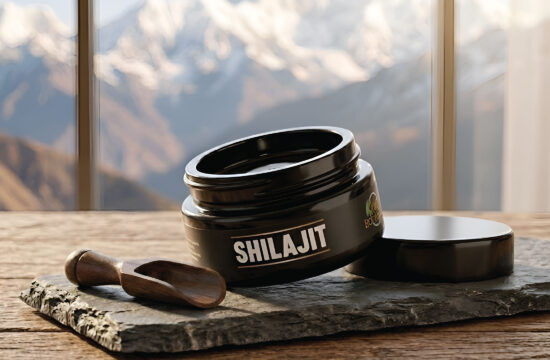
The best place to buy shilajit is from a seller that publishes a third-party certificate of analysis, names a specific high-altitude source like the Himalayas or Altai, and offers the form (pure himalayan shilajit resin, capsules, or gummies) that fits how you will actually use it. Reputable online stores generally make verification easiest; reputable local supplement shops can work if they can show their testing. Gas stations and smoke shops should be avoided.
Shilajit has gone from obscure Ayurvedic ingredient to something you can find in gas stations and a thousand online storefronts. That popularity is also the problem. The category is flooded with products that are diluted, mislabeled, or contaminated, and shilajit is one of the easier supplements to fake. Knowing where to buy it, and how to tell real from junk once you are there, matters more than which brand’s ad you saw first.
This guide is about the buying decision, not the biology. You will get the difference between shopping online and in store, the specific signs of a quality product, the red flags that should send you elsewhere, and how the common forms stack up.
What Shilajit Actually Is
Shilajit is a sticky, tar-like resin that seeps from rock in high-altitude ranges, most famously the Himalayas, with deposits also in the Altai Mountains and parts of Russia. It forms over centuries as plant and microbial matter breaks down and compresses. The dark resins from high Himalayan altitudes are generally considered the most nutrient-dense. For a deeper look at how it forms and why composition varies by region, ourguide to what shilajit is covers the origins side in detail.
What people are after is the composition: shilajit carries fulvic acid plus a broad mineral profile. According to aPMC review of shilajit’s chemistry, fulvic acid is well absorbed in the intestinal tract because of its low molecular weight (around 2 kDa) and is considered the main active principle. Those compounds are the reason it has been used in traditional practice for generations, and the reason the sourcing and processing behind a given jar matter so much. A cheap, poorly purified shilajit is not a bargain version of the same thing; it can be a different and riskier product.
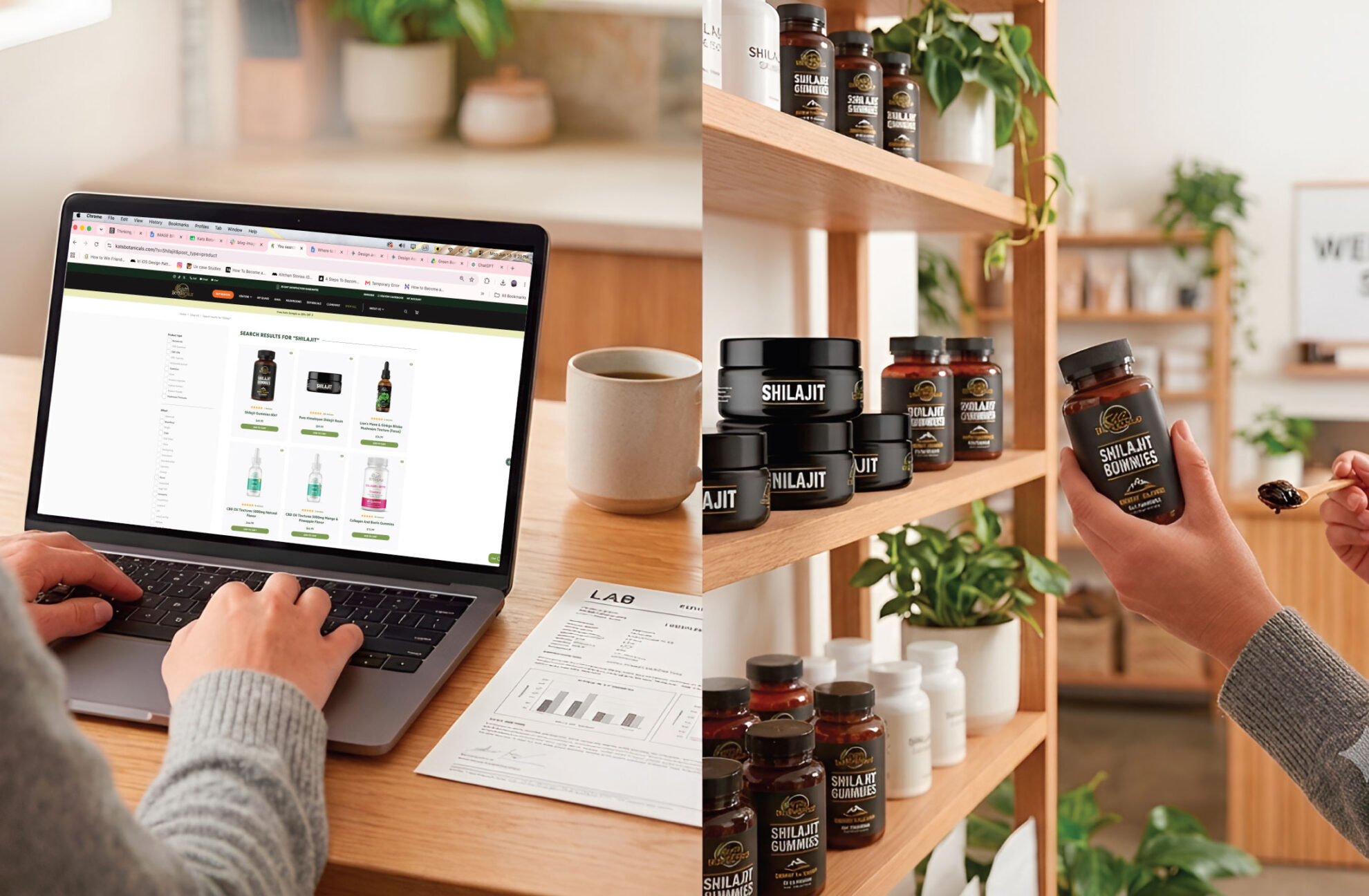
Where to Buy Shilajit: Online vs In Store
Both online and in-store work. They just come with different trade-offs, and the right call depends on how much you care about verifying what you are getting.
Buying online
Online is where the selection and the proof live. A reputable shilajit seller will post a certificate of analysis, show real customer reviews, and explain its sourcing in plain terms. You can compare resin against shilajit capsules for sale, read the fulvic acid content, and check lab results before you spend anything.
The downside is that you cannot inspect the product first, which is exactly why the paperwork matters. If an online listing has no lab results and vague origins, the convenience is not worth it.
Buying in store and “shilajit near me”
Buying local gets it in your hands today, and a good supplement shop or wellness store can be a fine source. The catch is verification.
Shelf products do not always come with accessible lab results, and the quality at a gas station or smoke shop counter is a gamble. If you search “shilajit near me” and end up somewhere that cannot tell you where the resin came from or whether it was tested, treat that the same as a sketchy online listing.
How to Spot Quality Shilajit
Four checks do most of the work when separating a good purchase from a wasted one: a current certificate of analysis, a named high-altitude source, the right form for your routine, and a price that reflects real lab work.
Demand a certificate of analysis
A certificate of analysis, or COA, is an independent lab’s report on what is actually in the product. For shilajit it matters twice over, because raw resin pulled from rock can carry heavy metals like lead, mercury, and arsenic if it is not properly purified. A2024 analytical review on shilajit’s heavy-metal profile reported that, in most tested samples, toxic metal concentrations sat below WHO/FDA permissible limits, but the operative word is tested. Any brand selling quality shilajit should hand you a COA without hesitation. If they cannot, the label is just words.
Check the source
Origin is not marketing trivia here. Look for shilajit sourced from high-altitude Himalayan or Altai regions, and a seller that says so specifically rather than gesturing at “the mountains.” OurHimalayan shilajit sourcing guide walks through what authentic high-altitude resin should look, smell, and dissolve like. Vague sourcing usually means there is something not worth naming.
Know the form you are buying
Resin is the most traditional and least processed form. Capsules and gummies trade some of that rawness for convenience and easier dosing. Ourshilajit resin vs powder vs capsule comparison lays out the practical differences. None is automatically better, but the form changes what “pure” should mean, so match the format to how you will actually use it.
Be skeptical of price and claims
Shilajit that costs almost nothing is priced that way for a reason, usually dilution with fillers. And the word “pure” on a label means nothing on its own. Pure is something a lab report proves, not a claim a package makes.
Red Flags to Walk Away From
A few signals reliably mark a product to skip.
- No certificate of analysis, or a seller that gets evasive when you ask for one.
- Silence on heavy-metal testing specifically.
- Sourcing described in vague terms with no region named.
- Cure-all promises, or a price that is too low to be real shilajit.
Any one of these is enough to look elsewhere. Quality shilajit is not hard to verify, so a seller that makes verification difficult is telling you something.
What Shilajit Should Cost
Price is a rough quality signal, and the bottom of the market is where the fakes cluster. Genuine, purified, lab-tested shilajit costs real money because the sourcing and testing cost real money. According toConsumerLab’s 2024 shilajit testing, the cost to obtain 100 mg of shilajit from tested products ranged from about ten cents to more than eight dollars, with concentrated extracts generally cheaper per milligram of fulvic acid than raw resins. When a resin is priced far below everything around it, the savings usually come from somewhere: diluted material, skipped purification, or no testing at all.
That does not mean the most expensive jar is the best one. It means a suspiciously cheap one is a warning, not a deal. Anchor your expectations to what tested products from reputable sellers actually charge, and be suspicious of anything that undercuts that by a wide margin. Theshilajit dosage guide by format can also help you translate price-per-jar into actual cost-per-serving.
Resin vs Capsules vs Gummies: Which to Buy
The form you choose comes down to routine, not quality, as long as the testing checks out.
| Form | Best for | Trade-off |
| Resin | Traditionalists who want the least-processed option | Measuring and taste take getting used to |
| Capsules | A simple, no-mess daily routine | Less hands-on than resin |
| Gummies | Convenience and travel | Some added sugar for flavor |
Many people keep more than one on hand: resin for the main routine, shilajit gummies for the road. If you are new to shilajit, capsules or gummies are an easier entry point than scooping resin, and ourshilajit gummies guide covers what to check on a gummy label before buying.
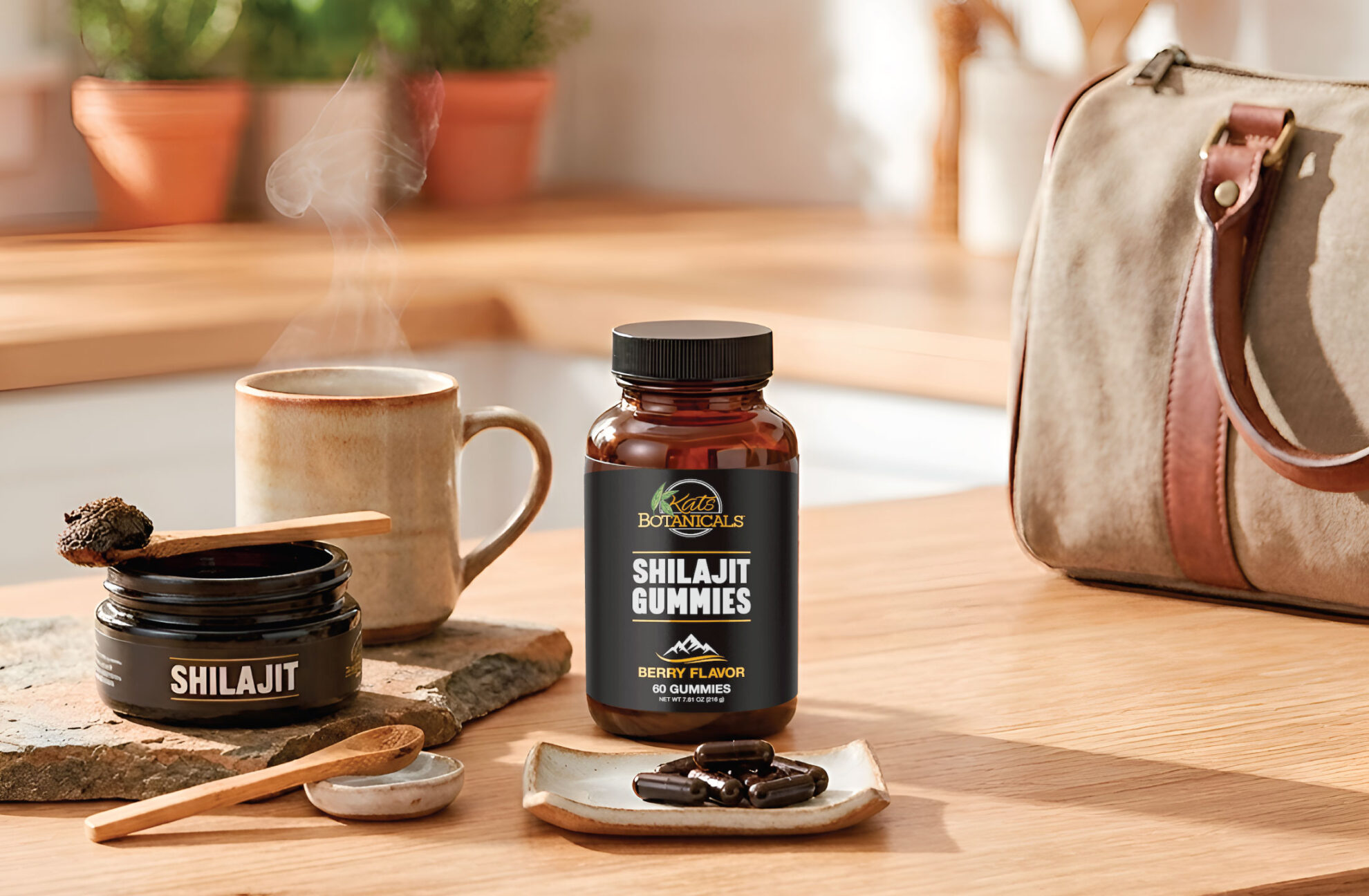
Why Buy Shilajit From Kats Botanicals
Kats Botanicals carries shilajit in all three forms. Each is sourced from high-altitude Himalayan regions, purified to remove heavy metals and contaminants, and tested by an independent lab, with results you can actually see.
That testing is the whole point of buying from a vendor instead of a mystery jar. We hold shilajit to the same American Kratom Association cGMP standards as the rest of our line. For a closer look at one common labeling question, ourHimalayan vs pure shilajit resin breakdown explains what those terms really mean on a label.