The red bubble method is the kratom community’s answer to a simple question: how do you make a stronger, more concentrated kratom without a lab? The answer turns out to be lemon juice, water, and your freezer. No specialized equipment, no solvents you can’t pronounce, and most of what you need is already in your kitchen.
This is a hands-on guide. You’ll get the full step-by-step red bubble kratom extraction method, the reason it works, the safety points that matter once your kratom is concentrated, and an honest look at how red bubble stacks up against the other ways people make kratom extracts. If you’d rather skip the kitchen project, that’s a fair choice too, and we’ll get to it.
Quick Answer: Red bubble kratom is a freezer-based home extraction that mixes kratom powder, an edible acid like lemon juice, and water, then freezes the slurry for 4 to 6 hours. The acid pulls mitragynine and supporting alkaloids out of the plant material, and freezing forces them into the liquid layer, where they form the reddish “bubble” at the surface.
What the Red Bubble Method Is
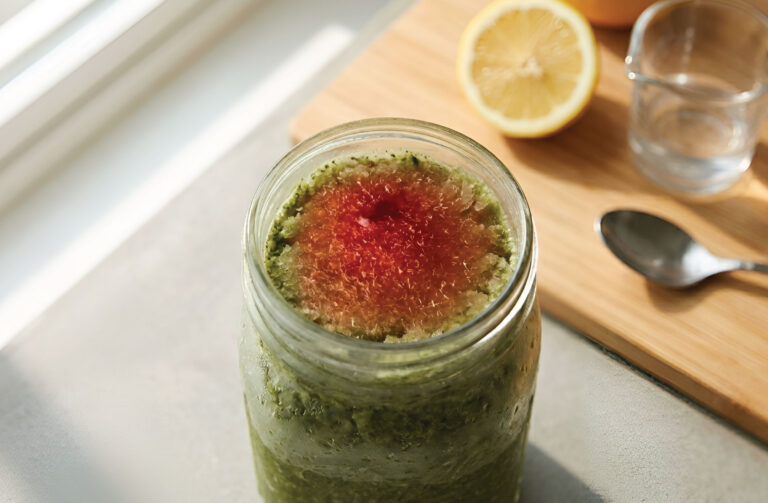
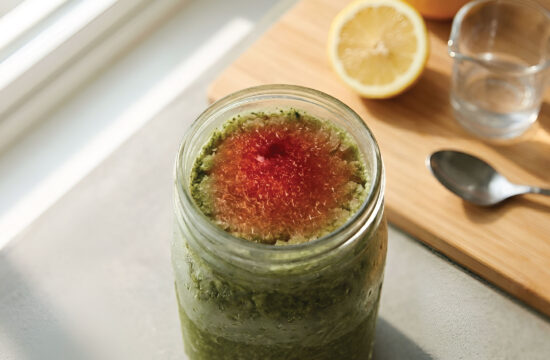
Red bubble is a freeze-based extraction that uses an edible acid and water to pull alkaloids out of kratom powder and into a liquid you can use in recipes or drinks. The name comes from what you see when it works: as the mixture freezes, a reddish bubble forms at the surface, which is the alkaloid-rich liquid separating from the spent plant matter below.
What makes it appealing is what it doesn’t require. There are no harsh chemicals and no synthetic potentiators. It works with any kratom powder you already use, whether that’s red, green, or white vein, and the finished extract folds nicely into baked goods, drinks, or anything where the raw powder’s taste would get in the way.
What You Will Need
Gather these materials before you start. Most of it you likely have on hand at home.
- A freezer-safe glass or Pyrex container that is short, sturdy, and sealable. A quart-sized bag can work in a pinch, but a solid container is better.
- Lab-tested kratom powder. Start with enough for a few servings, around 2 to 3 teaspoons, while you learn the process. If you’re not sure which vein to use, browse the kratom strain comparison chart.
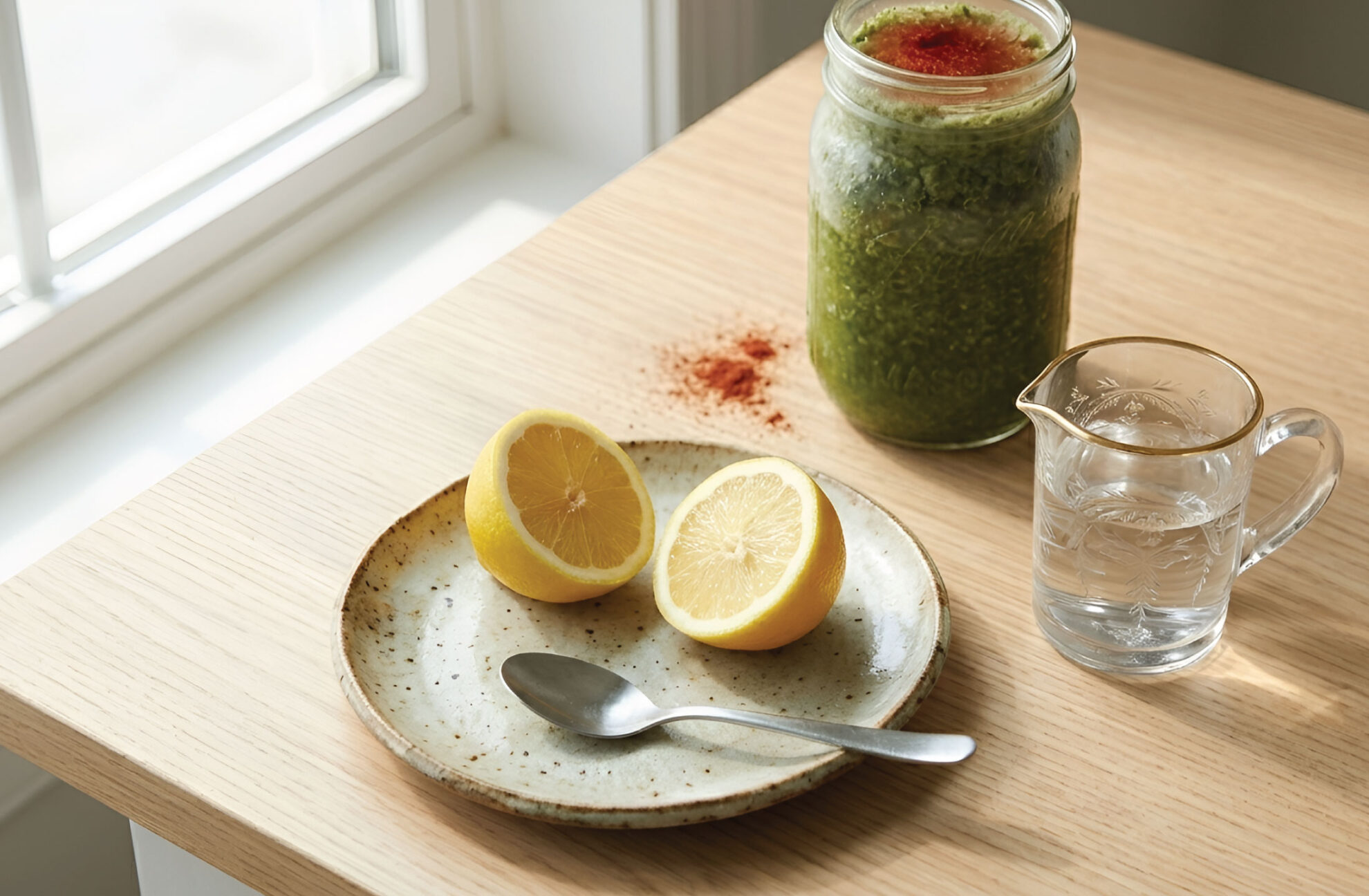
- An edible acid. Lemon juice is the standard pick. Lime juice, apple cider vinegar, or white vinegar also work.
- Distilled water. It skips the minerals in tap water and gives a cleaner result.
- A freezer and a stovetop or kettle for hot water.
- A coffee filter or fine strainer.
How to Do It, Step by Step
The whole process takes about 15 minutes of active work and 4 to 6 hours in the freezer. Follow the sequence carefully; the order matters more than the exact amounts.
- Measure your kratom into the glass container. Use roughly equal parts acid to kratom, so 2 teaspoons of powder gets about 2 teaspoons of lemon juice.
- Add the acid and stir it into the powder until everything is coated and there are no dry pockets.
- Pour in hot water, stirring slowly, until the container is nearly full and the mixture is fully dissolved.
- Let it cool to room temperature. Cooling first gives a cleaner separation later.
- Freeze it for 4 to 6 hours, or until the mixture is solid all the way through.
- Pull it out and look. The spent plant matter will have settled, and the red bubble will have formed at the surface. That bubble is what you’re after.
- Separate and strain. Discard the settled plant layer, let the rest soften, and run it through a coffee filter to catch any remaining solids.
What’s left is your extract: a concentrated, alkaloid-rich liquid you can use right away or store cold.
The Science Behind It
The red bubble method works because of two distinct mechanisms happening at once: an acid-base chemistry step and a mechanical freeze-rupture step. Together, they pull alkaloids out of the leaf and concentrate them in the liquid.
Why the Acid Matters
Kratom’s alkaloids dissolve well in an acidic solution, which is why the lemon juice is important. The acid converts mitragynine and the supporting alkaloids into water-soluble salt forms, then holds them in the liquid rather than the leaf. This is the same principle behind formal acid-base extraction techniques used in lab settings, which convert alkaloids into a salt form that is soluble in water for enrichment. As a bonus, that same acidity is closer to your stomach’s environment, which may make the alkaloids easier for your body to take up.
Fun Fact: Acidity can also help your body absorb kratom’s active ingredients, a process known as potentiation. See how what you drink and eat with your kratom may influence its effects in our guide to kratom potentiators.
Why the Freezing Matters
The freezing does something mechanical. As the water freezes and expands, it ruptures the cell walls in the plant matter and forces the trapped alkaloids out into the surrounding liquid. By the time everything is frozen solid, most of the alkaloids have left the powder and moved into suspension, which is why the leftover plant matter can be tossed.
Safety and Common Mistakes
A homemade extract is less precise than what comes out of a lab, which is the trade-off you accept when you do it yourself. A few safety guidelines keep that trade-off reasonable.
Treat It as an Unknown Strength
Your finished extract is more concentrated than the powder you started with, but you don’t know exactly how much more. There’s no label, no percentage, no batch test. Treat a homemade extract as an unknown strength and dose it accordingly, starting with a small amount and waiting before taking more. The standard “start low, go slow” approach matters even more here than with plain powder.
Practical Precautions
Use a freezer-safe container, since a sealed jar with no headroom can crack as the liquid expands. Keep everything clean, because you’re making something you’ll consume and then store. Label whatever goes in the fridge or freezer.
Two more rules carry over from kratom use generally. Don’t combine it with alcohol, and check with your physician first if you take medication or have a health condition. Resist the urge to concentrate it as far as possible, too. Stronger isn’t automatically better, and could mean more risk of adverse effects.
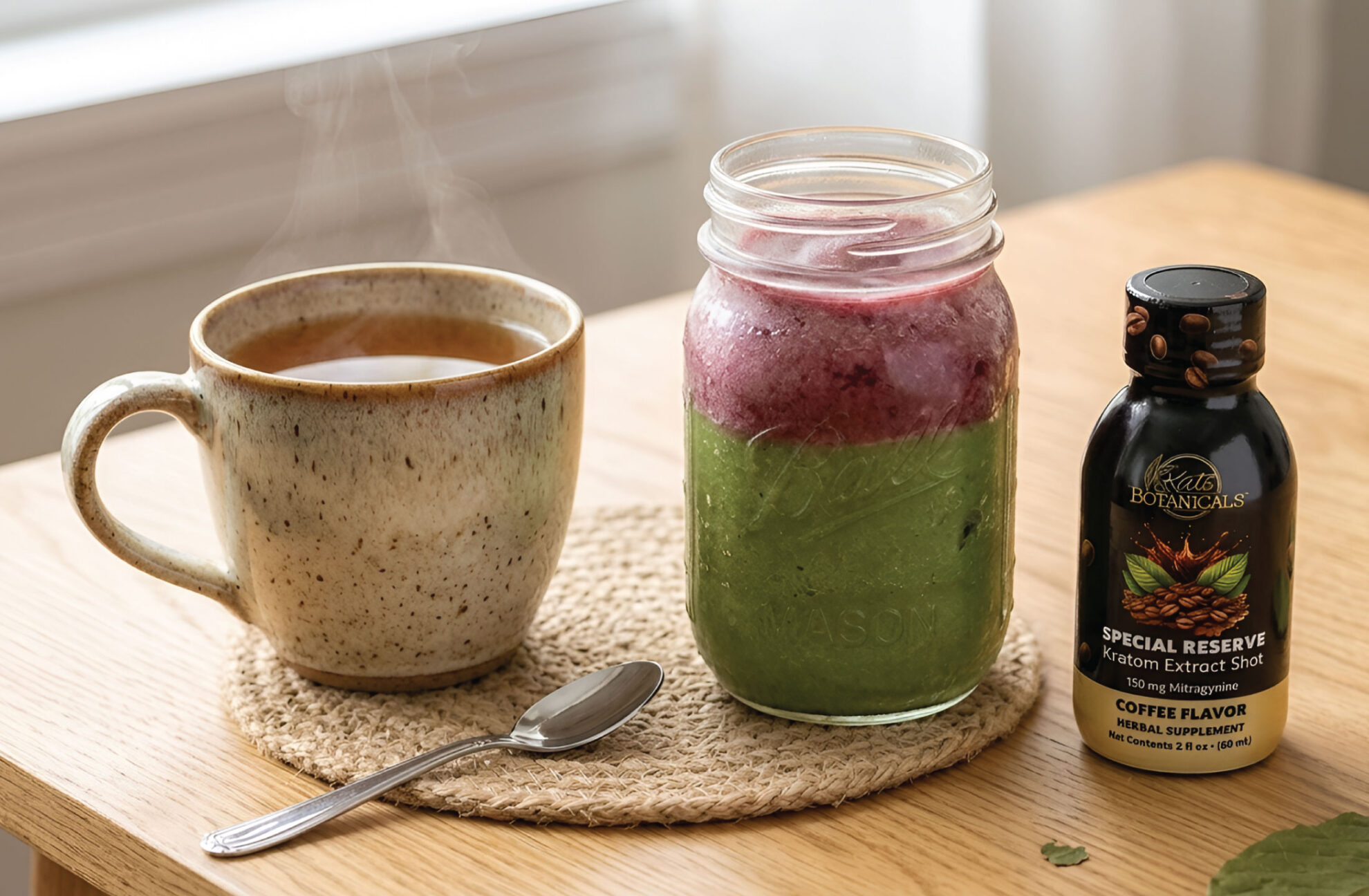
If all this sounds fun but a little too risky, try one of our lab-tested kratom extract shots for a standardized option that has been measured to exact concentrations.
Red Bubble vs Other Ways to Make Kratom Extract
Red bubble is one way to make kratom extracts, not the only one. Here’s how the common approaches compare on effort, strength, and best use.
| Method | Effort | Strength control | Best for |
| Kratom tea | Low | Mild, drinkable | A gentle, ready-to-drink option |
| Red bubble | Medium | Concentrated but unmeasured | Baking, infusions, a stronger DIY result |
| Commercial extract | None | Lab-tested and labeled | Consistency and a known dose |
Kratom tea is the simplest extraction, and many people make one without realizing it counts as an extract at all. If you’ve never made it before and want to learn, our guide to how to make kratom tea walks through it step by step.
Red bubble kratom extraction is a little more time-consuming. The results are more concentrated and better suited to recipes, at the cost of some effort and a strength you can’t pin down.
Commercial extracts are prepared in a lab-controlled environment. You give up the DIY satisfaction, but you get a tested, labeled, consistent product. According to the American Kratom Association’s GMP Standards Program, qualified vendors must pass an annual third-party audit covering manufacturing, labeling, and testing, which is what makes a labeled commercial extract a known dose rather than a guess. These are a good way to keep your kratom dosing consistent and exact.